This item is not specifically focused on Canadian veterans, or other Canadian-focused organizations in the Bay area. However, there are several podcasts below – including a new episode of the podcast From a whisper to a bang!, which I would highly recommend.
 |
|
Newsletter | March 2019
|
| If you are having problems viewing this newsletter click here to view the web version. |
 |
|
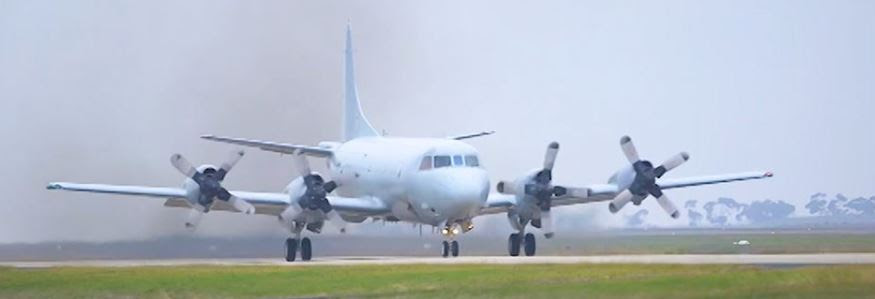
A Royal Australian Air Force (RAAF) AP-3C Orion aircraft with a decorated 33-year service history as a search-and-rescue plane was handed over to the Australian War Memorial at the 2019 Avalon Airshow.
AP-3C Orion A9-659 is one of 18 such aircrafts operated by the RAAF from Edinburgh in South Australia. Built in 1985, it took its final flight on 28 June 2018, having accumulated 16,800 flight hours.
The AP-3C Orion fleet had excellent surveillance abilities, and was often called on to assist in maritime and land-based search-and-rescue operations, including survivor search-and-supply (airdrop) missions.
This aircraft also took part in the 2014 search for Malaysian Airlines MH370, the largest and longest-range airborne maritime search operation ever conducted.
|
|
|
Now in its 34th year, the Australian War Memorial’s Summer Scholars scheme annually hosts three outstanding students in their third or fourth year of an undergraduate course, or who are undertaking early-stage postgraduate studies. For the last six weeks three Summer Scholars have been busy researching at the Memorial, and delivered their impressive findings at a presentation on 14 February.
|

Watch a video of their final presentations.
|
|
 |
|
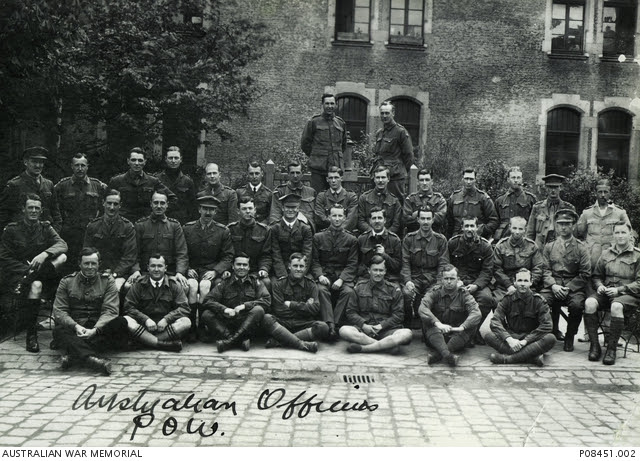
The Reading Room’s new exhibition, ‘Great Escapes’, is on display now!
During the First World War more than 4,000 Australians became prisoners of war. In the Second World War that number was over 30,000. Prisoners often suffered from ill-treatment, hunger, and sickness during their captivity.
|

28 March – For our Country sculpture dedication
31 March – RAAF birthday
|
Commencing at approximately 4.55 pm AEST, the Memorial farewells visitors with its moving Last Post Ceremony in the Commemorative Courtyard. Each night the ceremony shares the story behind one of the names on the Roll of Honour.
|
|

|
Episode 2 of of the podcast From a whisper to a bang! is out now. With the help of family, military historians, and Harry’s handwritten memoirs, “Walking a mile in Harry’s shoes” dives deeper into the prisoner-of-war experience.
|
|

|
On closer inspection is a series of 360-degree immersive experiences developed by the Australian War Memorial.
Through the use of 360-degree digital video and VR technology, you can view and interact with the Mark IV tank “Grit” from the First World War.
|
|

|
Collected is a podcast series by Louise Maher exploring the artefacts that make up the museum collection of the Australian War Memorial.
Episode 2 explores the different ways mothers have dealt with the grief of losing sons in war. In conversation with Memorial curators Kerry Neale and Stephanie Boyle, Maher discovers the significance of a gold brooch and a tin of biscuits currently on display in the Memorial’s After the war exhibition. |
|

|
EXHIBITION OPEN NOW
After the war is an exhibition exploring the personal stories of hope, loss, and love of ordinary Australians whose lives have been altered by war, from those who have served to loved ones left behind. Take an intimate journey through the personal costs and consequences of war, unfolding over 100 years from 1918 to 2018.
|
|

|
A lifetime of service for Australia tells a selection of personal stories of some of the remarkable Australians who have dedicated their lives to serving in Australia’s military forces in multiple conflicts.
On display until April 2019, Mezzanine Gallery, Anzac Hall.
|
|
|
The limits of peacekeeping: Australian missions in Africa and the Americas, 1992–2005 by Jean Bou, Bob Breen, David Horner, Garth Pratten, and Miesje de Vogel, is the fourth volume in the Official History of Peacekeeping, Humanitarian and Post–Cold War Operations.
Changing world power structures and increased international cooperation saw a boom in Australia’s peacekeeping operations between 1991 and 1995.
This volume is an authoritative and compelling history of Australia’s changing attitudes towards peacekeeping.
|

|
|
|
|
PLEASE MAKE A DONATION TO HELP US SHARE OUR POWERFUL STORIES WITH MORE AUSTRALIANS
|
|
|
|
|

 Like
Like Tweet
Tweet Share
Share Forward


 Royal Canadian Legion, US Branch #25