Category Archives: Legion Magazine

The Fall of Hong Kong

An item from the Legion Magazine.


Front Lines
Museum exhibition tells personal stories of war

Museum exhibition tells personal stories of war

Story by Stephen J. Thorne

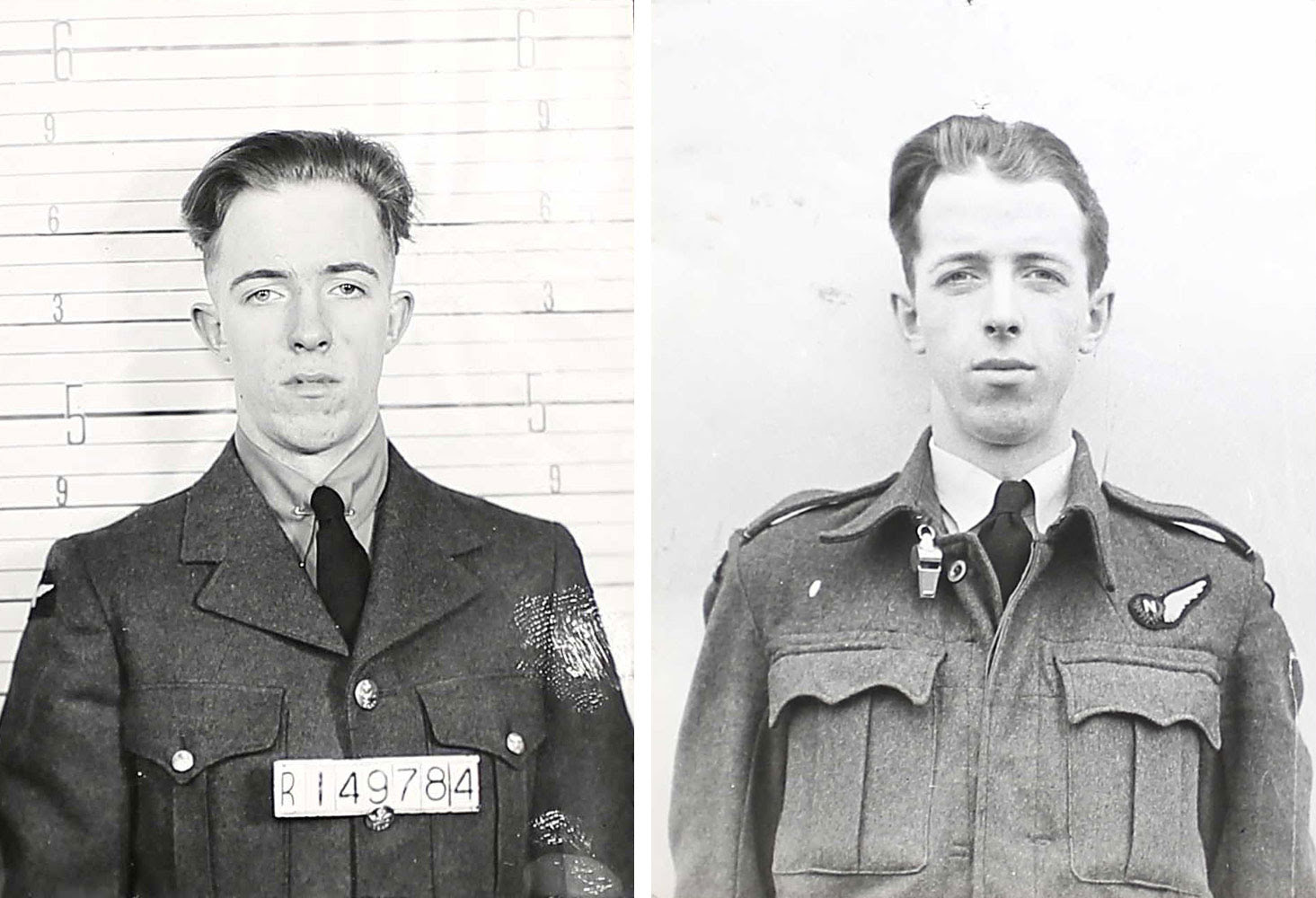
A new exhibition at the Canadian War Museum relates the personal stories of dozens of Canadians who had roles in the Second World War, but it is the story of Regina’s Campbell brothers that struck a particular chord with historian Tim Cook.

The twins, Pilot Officer Alexander (Grant) Campbell and Flying Officer Robert (Roy) Campbell, both navigators aboard Lancaster bombers, were killed a month apart—Grant on April 11, 1944; Roy on May 13. They were 21 years old.

READ MORE

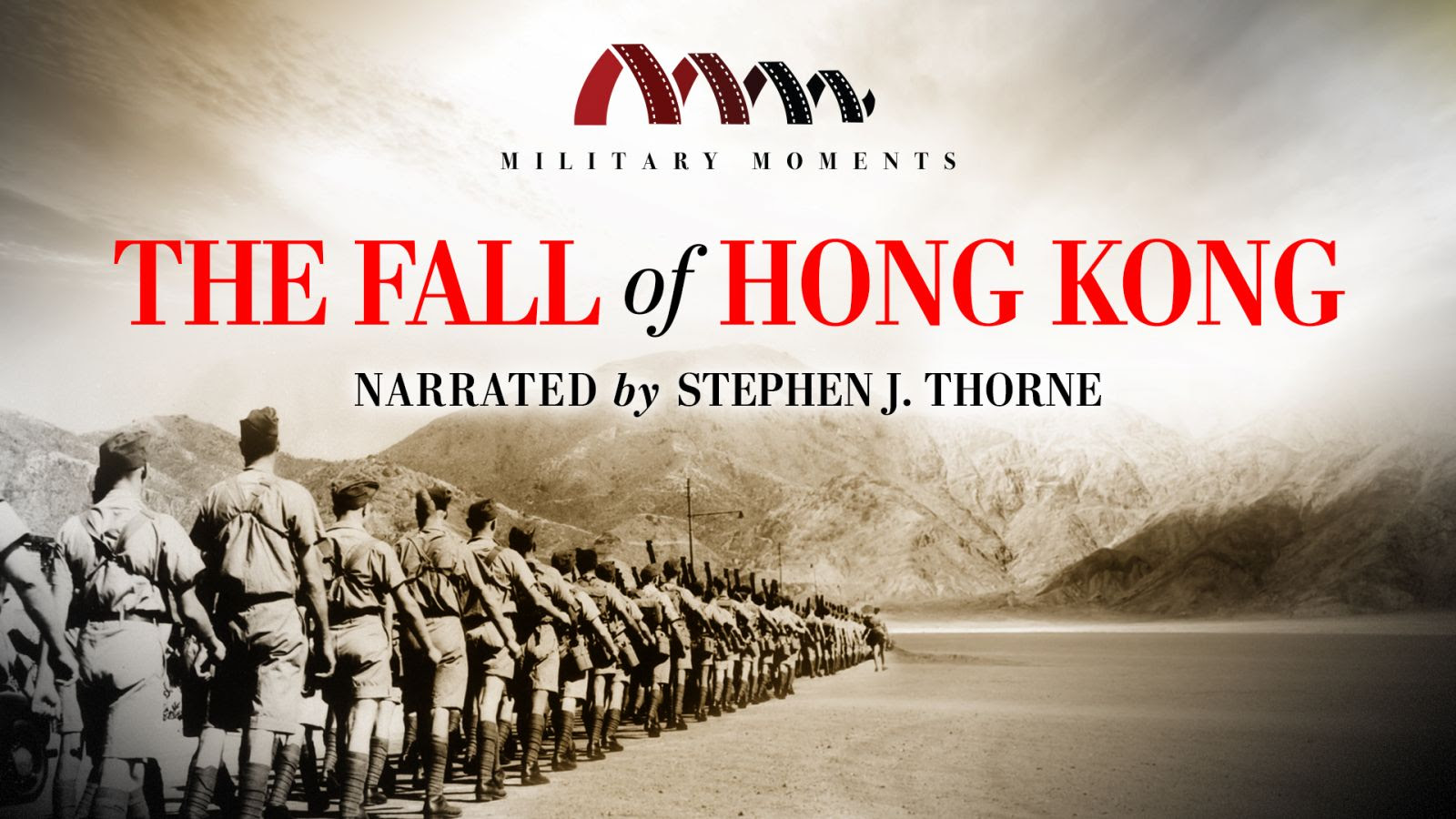
Military Moments | The Fall of Hong Kong

Military Moments | The Fall of Hong Kong

Narrated by Stephen J. Thorne

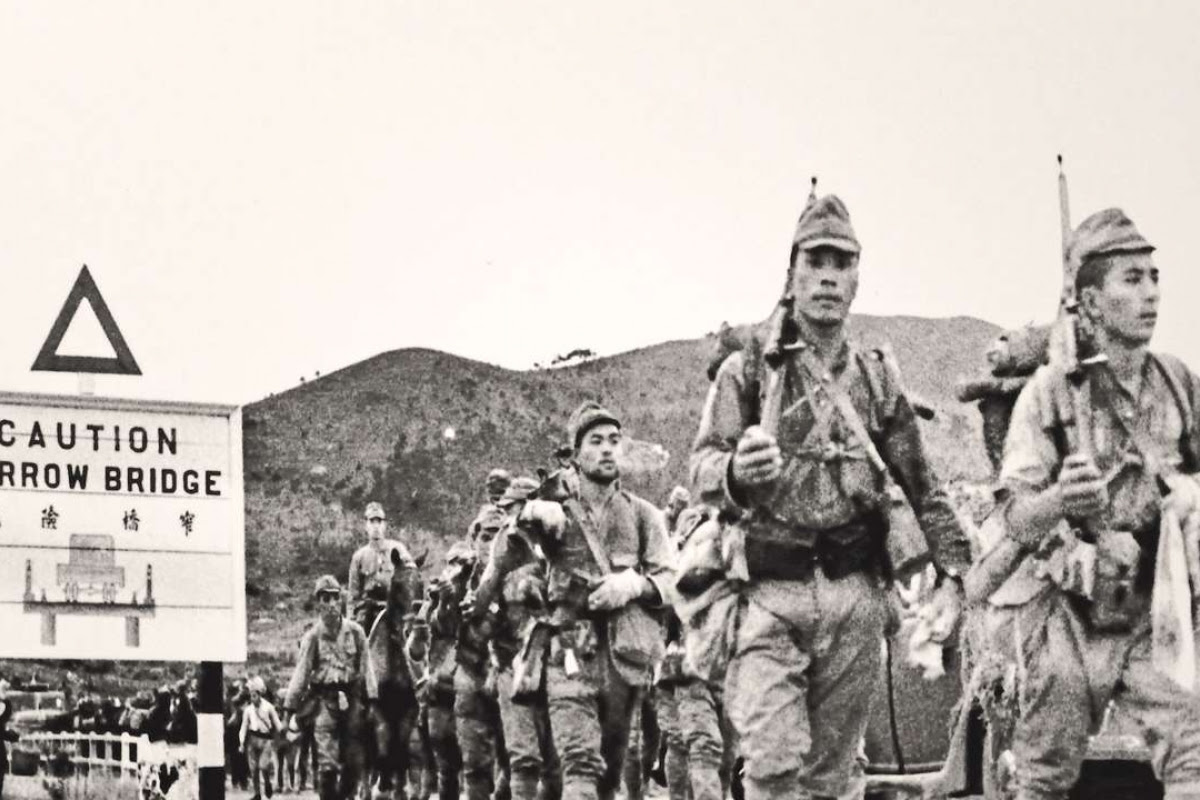
On December 7, 1941, Japan attacked the American base in Pearl Harbor, Hawaii, invaded Malaya the next day, and marched on Hong Kong. Canada had dispatched the Winnipeg Grenadiers and Royal Rifles from Quebec City to join 14,000 Allied defence troops in the Hong Kong garrison. Undertrained, poorly armed and without their transport and heavy equipment, every one of the 1,975 Canadians became a casualty of war: 290 were killed in battle, 493 were wounded, and everyone who survived the battle was taken prisoner. In the following months, 260 Canadian PoWs died of starvation, disease, overwork and brutal treatment in the 44 months they were interned.

WATCH NOW

Military Milestones
Christmas offensive

Christmas offensive

Story by Sharon Adams

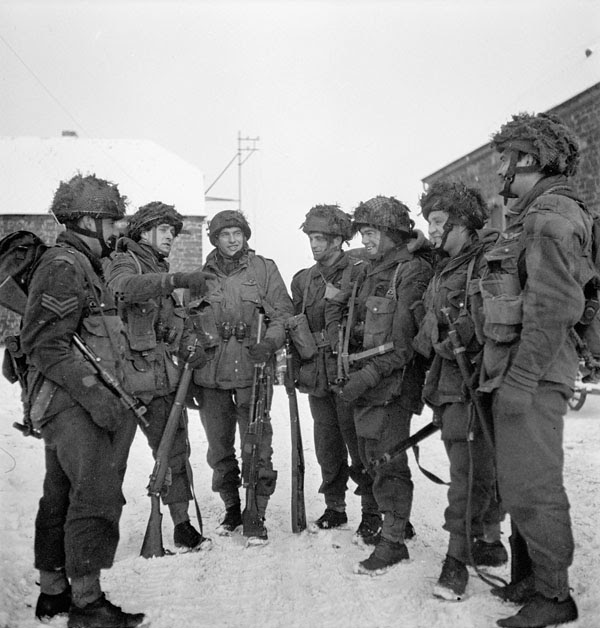
When bad weather interfered with air reconnaissance on Dec. 16, 1944, the Germans took advantage to launch a surprise attack on a weak point in Allied lines in the densely forested Ardennes region in eastern Belgium and northeastern France.

The plan was for more than two dozen divisions to split the lines, take Antwerp, Belgium, squeeze shut the Allied supply line, encircle and capture the British and American armies, and force a negotiated end to the war.

READ MORE

Back Issue BLOWOUT!
This week in history

December 18, 1950

Canada’s first fighting unit—2nd Battalion, Princess Patricia’s Canadian Light Infantry—reaches Korea.

WATCH NOW

Medipac Travel Insurance
Legion Magazine

Choose our cover for next issue of Canada’s Ultimate Story!

An item from the Legion Magazine.


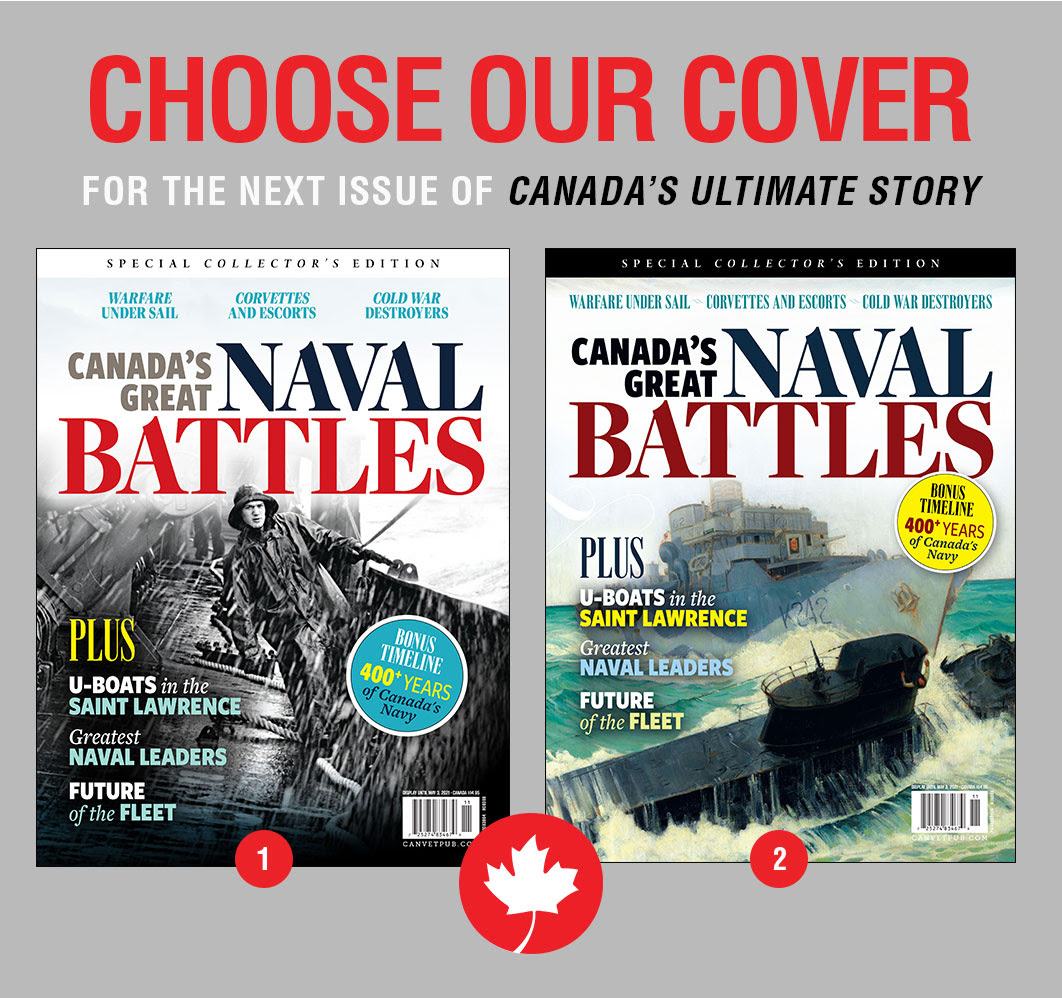
Cast your vote for the next cover of Canada’s Ultimate Story!

Choose our cover for the next
issue of Canada’s Ultimate Story!
ON NEWSSTANDS FEBRUARY 1
SPECIAL COLLECTOR’S EDITION: WINTER 2021

The next issue of Canada’s Ultimate Story is Canada’s Great Naval Battles. Help choose the cover by casting your vote.

The sea brought explorers, colonizers and navies from Europe to North America—as well as rivalries and wars. Life revolved around the sea and waterways, and naval power ruled. In the world wars, Canada built its own robust navy that could stand its ground with anyone. And today, the Royal Canadian Navy operates around the world. Join naval historian Marc Milner as he retraces Canada’s history—all from a nautical point of view.

VOTE NOW

Front Lines
How Churchill’s wartime speeches empowered the very people he appeared to loathe

How Churchill’s wartime speeches
empowered the very people he appeared to loathe

Story by Stephen J. Thorne

It is now a matter of public record that Winston Churchill was racist and worse. But what is less widely known is how his wartime speeches championing resolve, resistance to tyranny and the steadfast defence of freedom and democracy empowered the very people he appeared to loathe.

Churchill served two stints as prime minister: 1940-1945 and 1951-1955. But it was during those first five years, as France fell to Nazi Germany and Britain faced a daunting onslaught, that he rose to power, prominence and ultimate victory—largely on the blustery winds of some of the greatest speeches ever written.

READ MORE

Military Milestones
Getting the mail out

Getting the mail out

Story by Sharon Adams

During the Second World War, the Canadian Postal Corps delivered millions of letters and parcels to and from military personnel, earning the nickname The Morale Department.

“It was long hours and hard work,” said Harry Gower, who unloaded mail in England. But it was also rewarding. “They were always thrilled to get mail,” he said in a Memory Project interview. “It was a big deal for them, because you were away from your family for several years.”

READ MORE

World War 2 3-Pack
This week in history

December 8-9, 1941

Japan bombs Hong Kong and Singapore in a prelude to invasion.

READ MORE

Arbor Memorial
Legion Magazine

The taking of Monte la Difensa

An item from the Legion Magazine.


The taking of Monte la Difensa

The taking of Monte la Difensa

Story by Sharon Adams

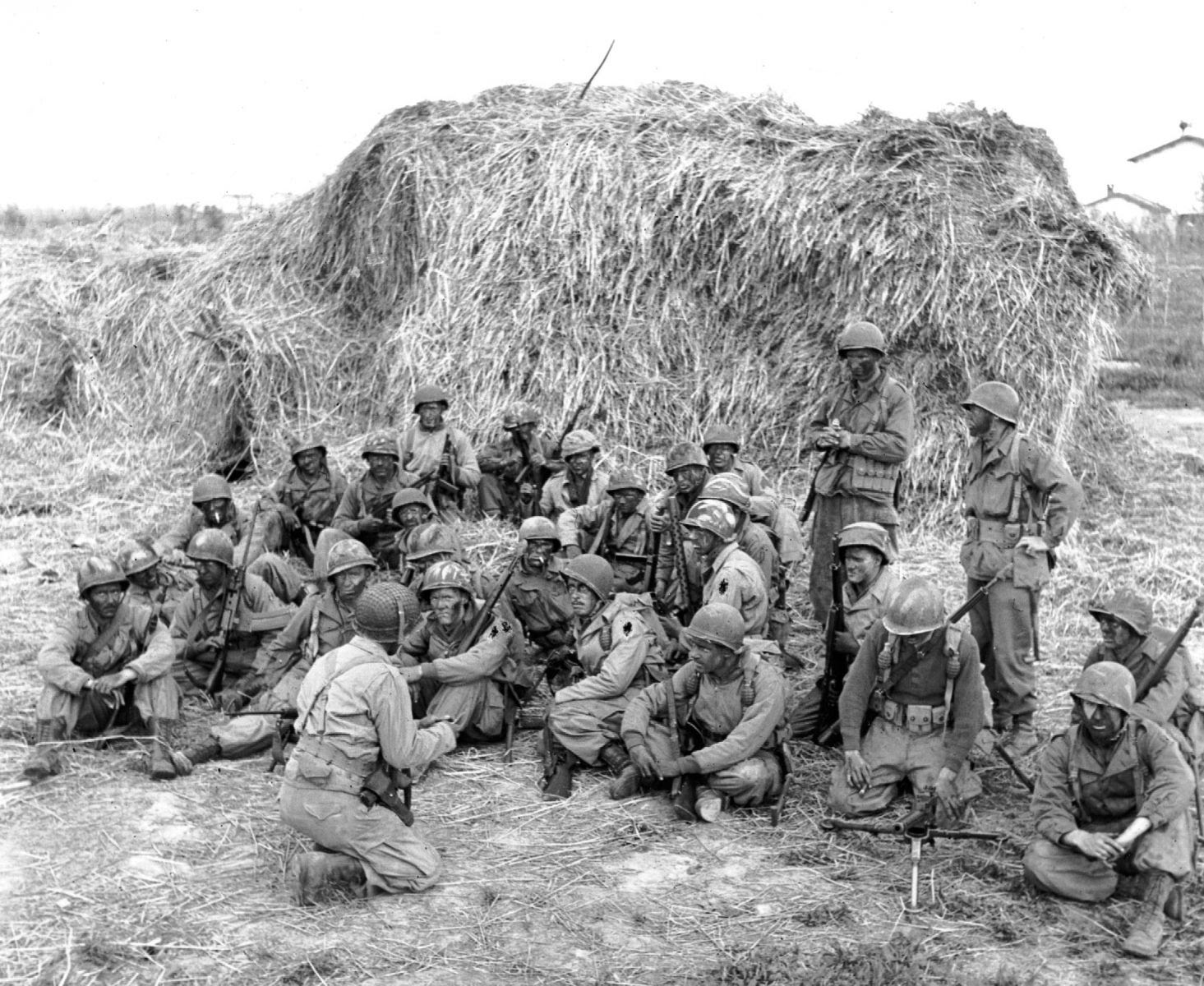
Lumberjacks, mountaineers, construction skywalkers, hard-rock miners, wilderness prospectors—only the hardiest men were sought for the First Special Service Force, a Canada-U.S. joint venture to deploy troops against the highest odds in the toughest terrain of the Second World War.

After a year, 1,400 hard-bitten commandos emerged from this rigorous training, 697 of them Canadian—the Devil’s Brigade. In early December 1943, they were tasked with capturing Monte la Difensa in Italy.
READ MORE

Deluxe World War II Collections 10-8-5 Volume Sets
Front Lines
Nelson expert exposes pro-slavery letter as fake

Nelson expert exposes pro-slavery letter as fake

Story by Stephen J. Thorne

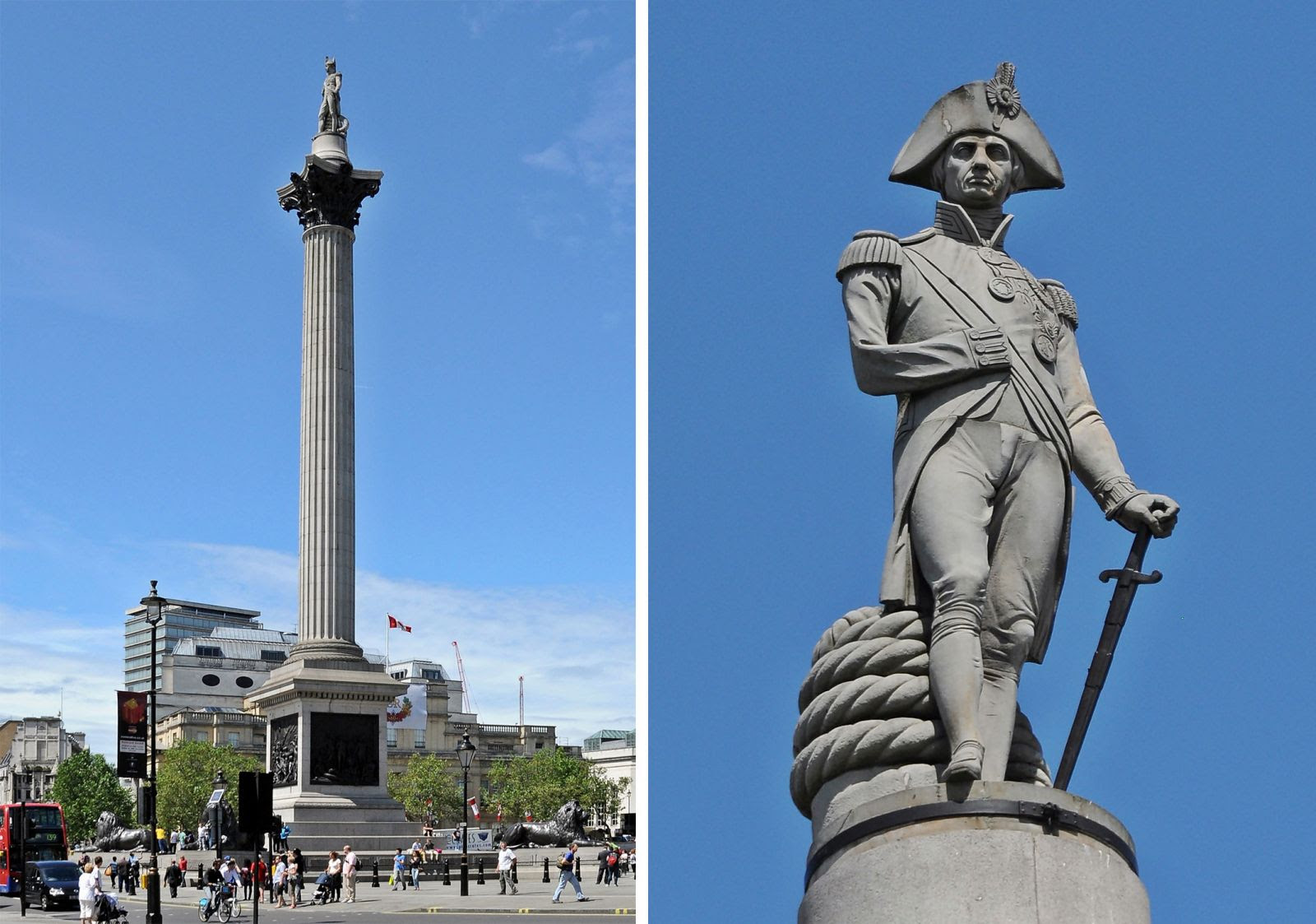
An 1805 letter purportedly exposing Britain’s most celebrated naval hero as a racist slavery advocate appears to have been proven a fake by a celebrated expert.

Martyn Downer says he has incontrovertible evidence the original letter written by Admiral Horatio Nelson aboard HMS Victory four months before he died at the pivotal Battle of Trafalgar was doctored by supporters of the slave trade to counter moves in the British Parliament to outlaw the practice.

“The letter is a forgery,” wrote Downer, a former director at Sotheby’s and leading specialist in the identification of Nelson- and Royal Navy-related artifacts.

READ MORE

Eco-Friendly Collection
This week in history

December 1, 1959

Twelve countries sign the Antarctic Treaty, declaring the continent a scientific preserve and banning military activity.

READ MORE

Iris Advantage
Legion Magazine