Category Archives: Legion Magazine

Remembrance Day Special Feature

An item from the Legion Magazine to begin Remembrance Day.


Remembrance Day Special Feature
Front Lines
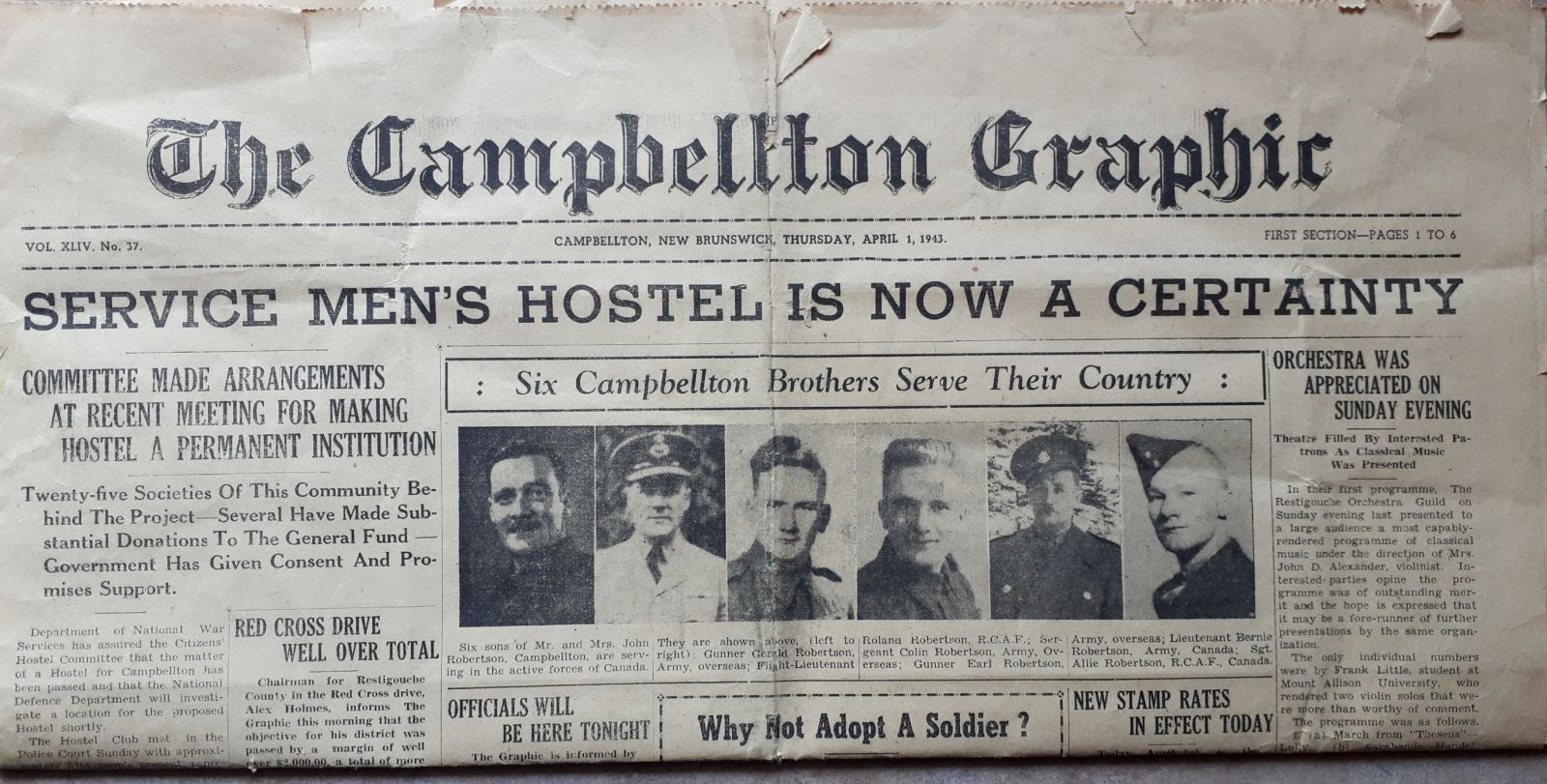
The fighting Robertson brothers of Campbellton, N.B.

The fighting Robertson brothers
of Campbellton, N.B.

Story by Stephen J. Thorne

There were six of them, Robertsons all, who joined the Canadian forces, left their hometown of Campbellton, N.B., and sailed overseas to serve in the Second World War.

Every one of the brothers survived the fighting, yet each died before his time, victims of more insidious killers than Axis bullets and bombs—namely, cancer and cardiopulmonary disease. None saw the age of 80.

READ MORE

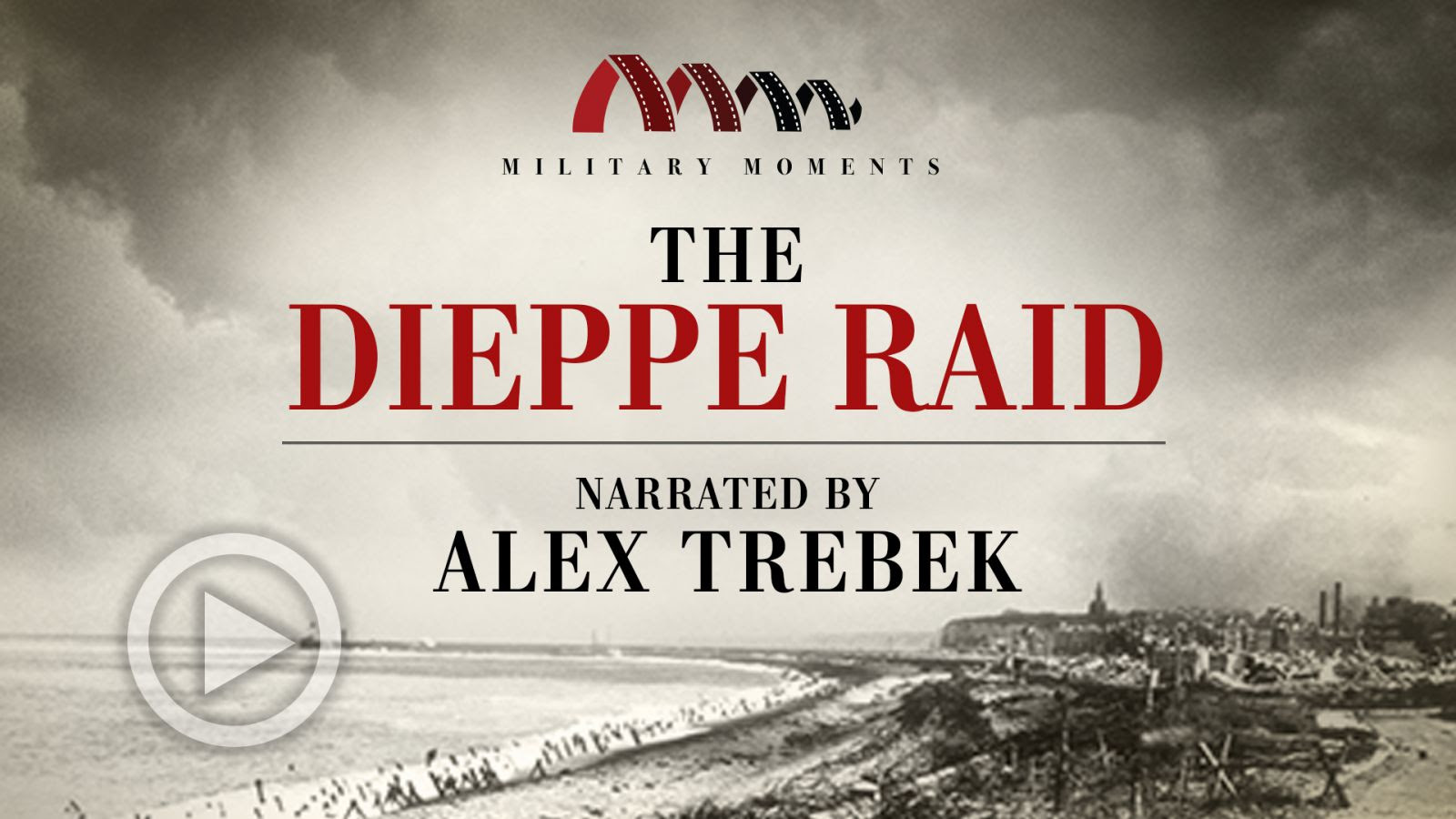
Military Moments | The Dieppe Raid Narrated by Alex Trebek

Military Moments | The Dieppe Raid
Narrated by Alex Trebek

In memory of Alex Trebek. In 2018, Legion Magazine presented a Military Moments on the disastrous Dieppe Raid of Aug. 19, 1942, which is most commonly remembered by a grim statistic—the greatest one-day losses sustained by the Canadian Army during the Second World War.

Of the almost 5,000 Canadian soldiers who took part in this ill-fated raid on occupied France, more than half became casualties. In all, Canadian casualties totaled 3,367, including 907 dead and 1,874 captured. It was the Canadian Army’s costliest day of the war, and one that will forever be remembered with infamy and regret.

WATCH VIDEO

A gruelling rescue effort
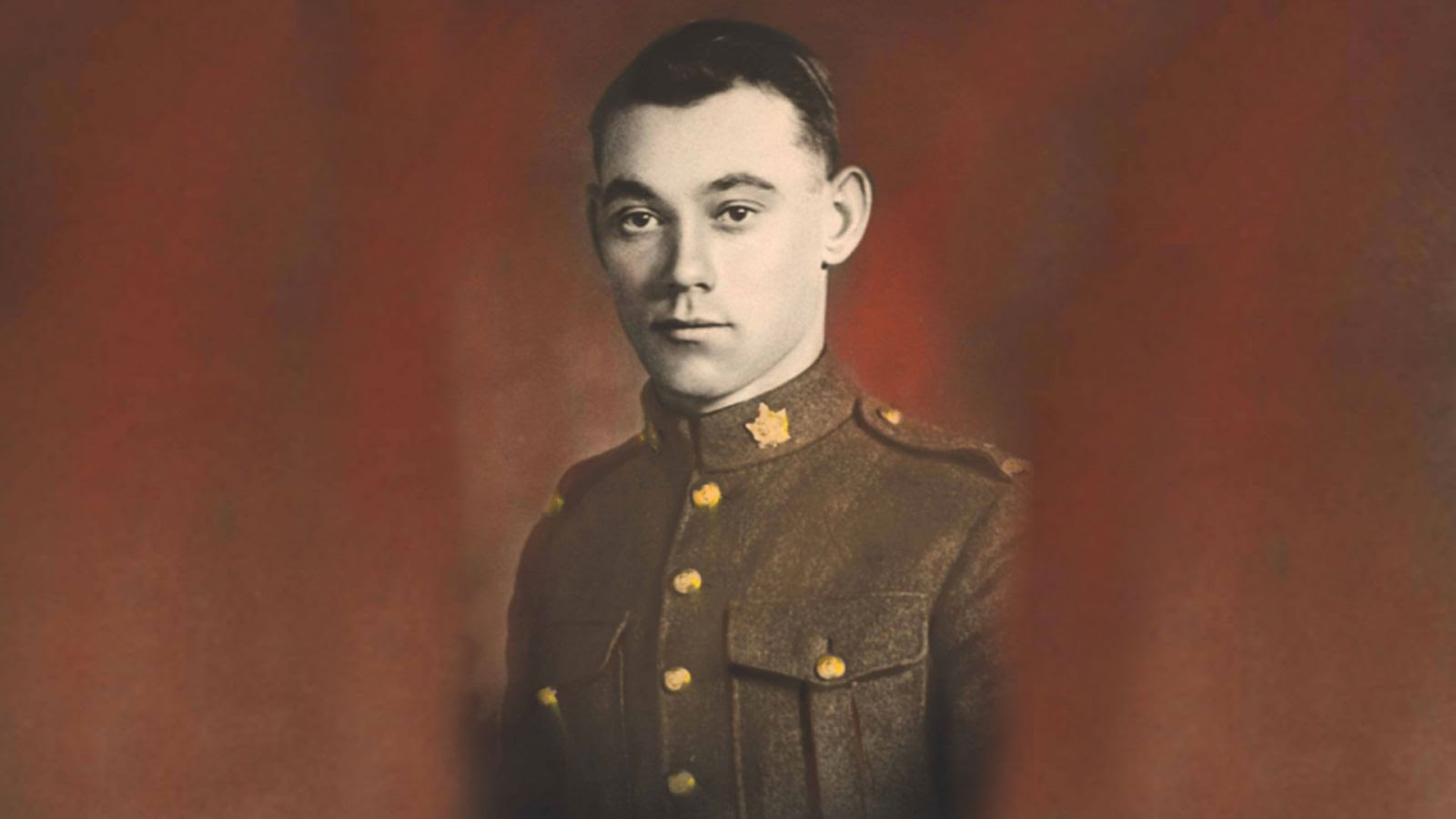
The last soldier killed in WW I

The last soldier killed in WW I

Story by Sharon Adams

Becoming the last casualty of a war is a distinction no soldier wants, but in the First World War, it fell to a Canadian.

Just minutes before the Armistice went into effect on Nov. 11, 1918, George Lawrence Price was shot, the last soldier of the British Commonwealth killed in the First World War.

READ MORE

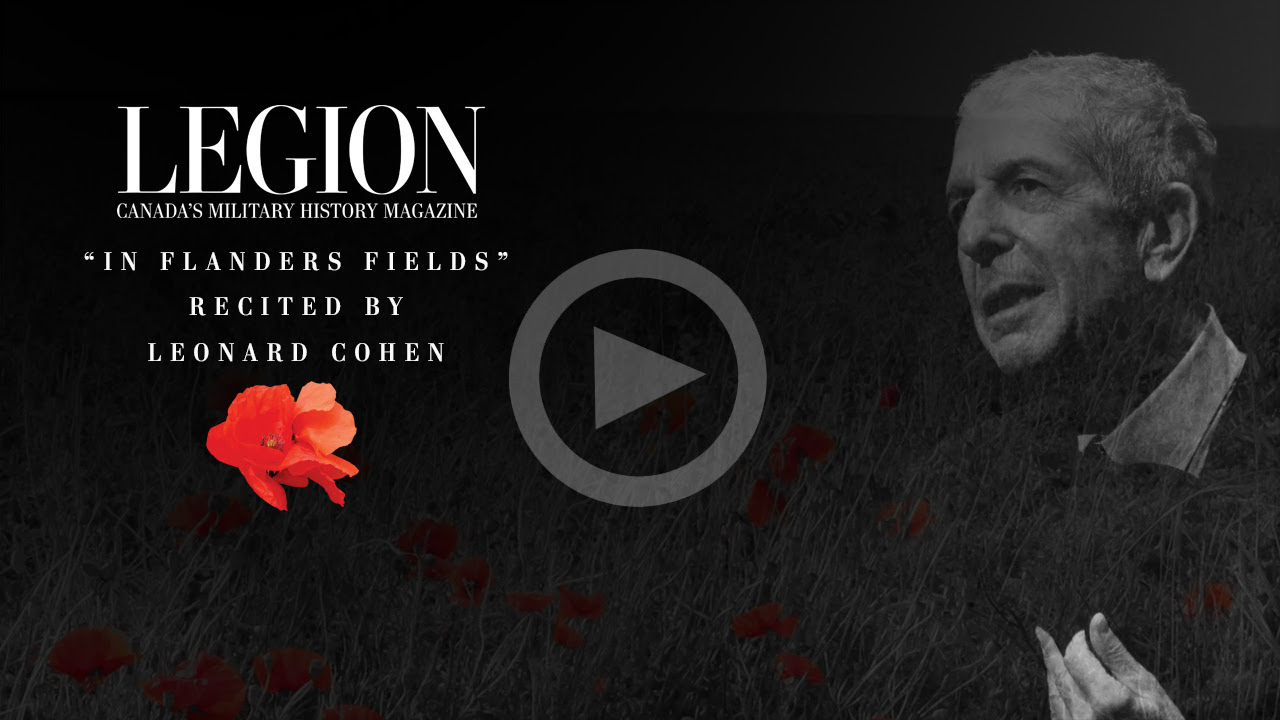
“In Flanders Fields” Recited by Leonard Cohen

“In Flanders Fields”
Recited by Leonard Cohen

In memory of Leonard Cohen. In fall 2015, Legion Magazine and Leonard Cohen released a video to commemorate the 100th anniversary of the poem “In Flanders Fields” by Lieutenant-Colonel John McCrae. In a poignant tribute to McCrae, Canadian songwriter, painter and poet Leonard Cohen has recited that stirring poem for this exclusive video. His voice is accompanied by stirring imagery from the First World War.

WATCH VIDEO

This week in history

November 11, 1920

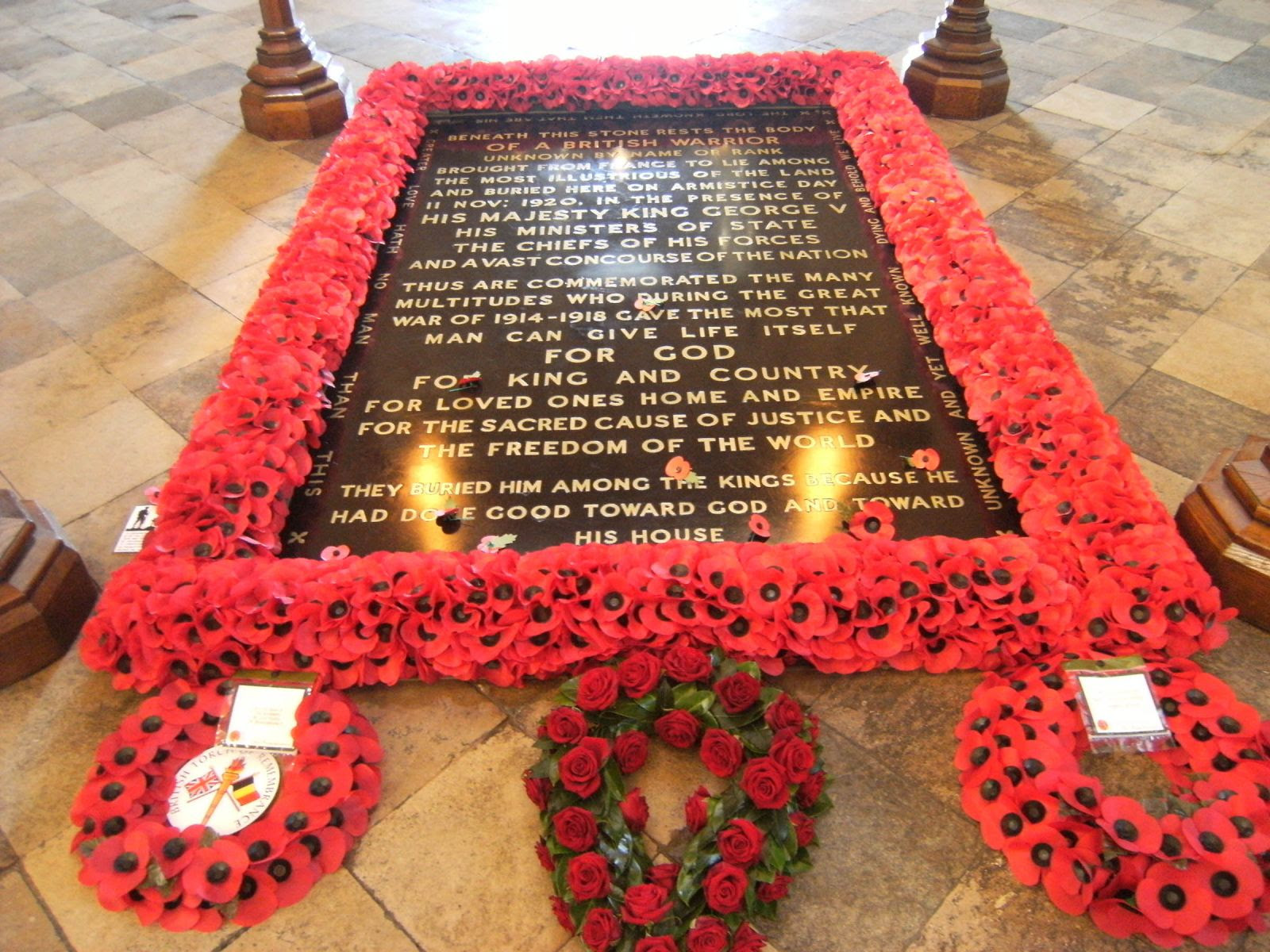
The Cenotaph, the United Kingdom’s official national war memorial, is unveiled. Two unknown soldiers are buried simultaneously in Westminster Abbey and at the Arc de Triomphe in Paris.

READ MORE

Trip inspired Tomb of the Unknown Soldier

Trip inspired Tomb of the Unknown Soldier

Story by Stephen J. Thorne

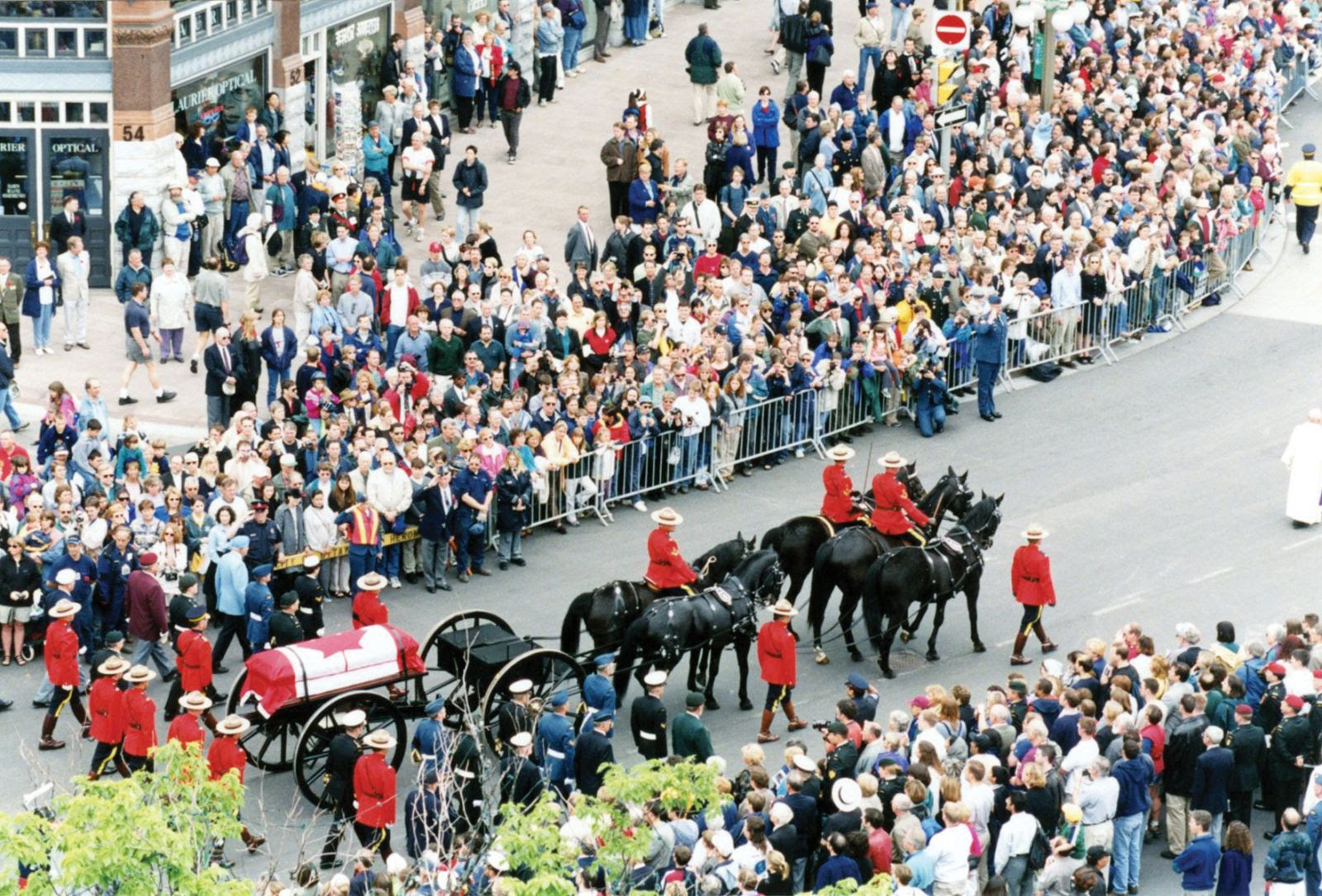
Almost a quarter century ago, The Royal Canadian Legion spearheaded the creation of the Canadian Tomb of the Unknown Soldier. The remains of an unidentified Canadian soldier of the First World War was reinterred with military honours at the National War Memorial in Ottawa on May 28, 2000, an event that would change the face of remembrance in Canada.
READ MORE

Legion Magazine

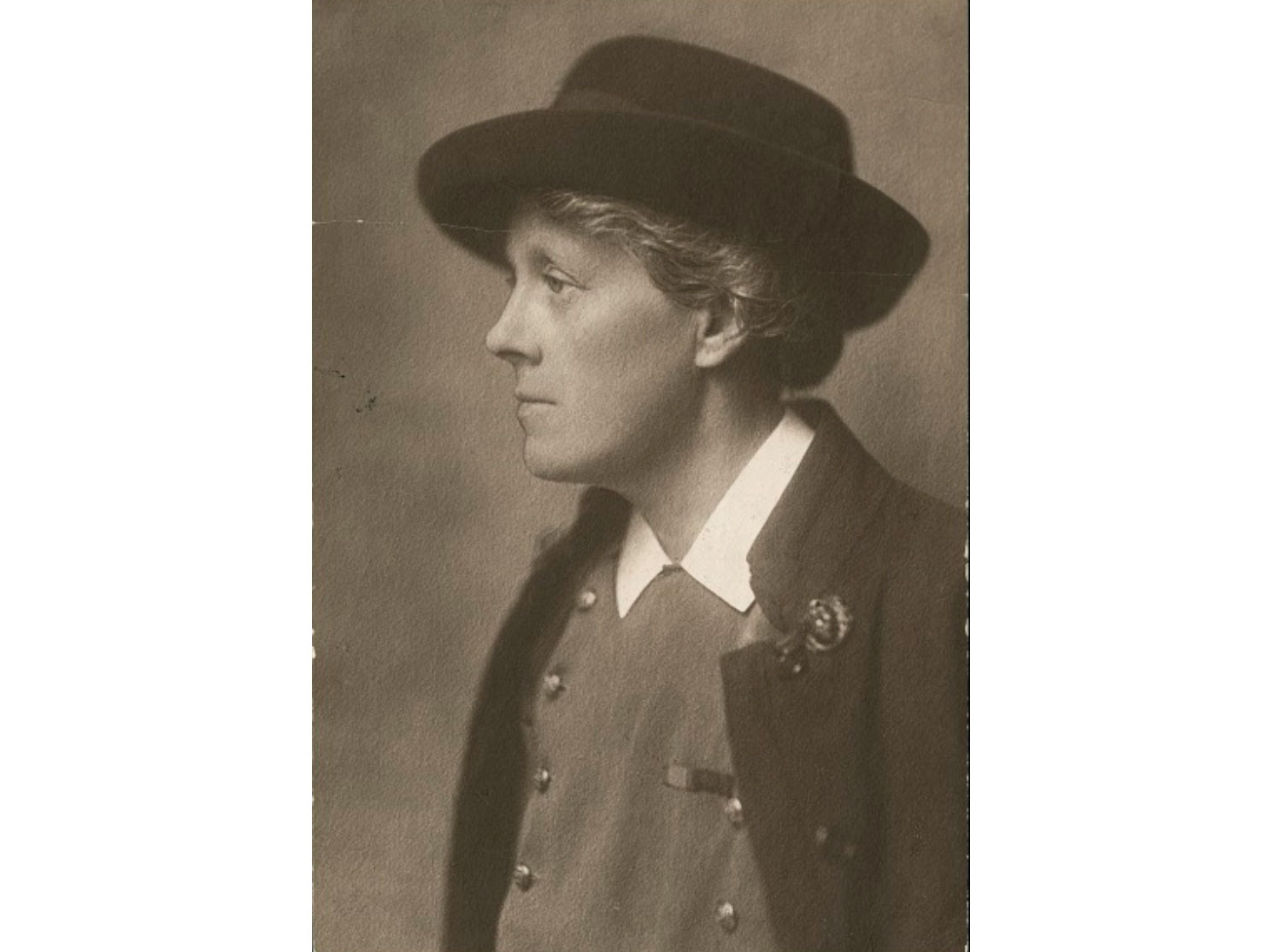
Remembering our nursing pioneers

An item from the Legion Magazine.


Nursing pioneer
Nursing pioneer 

Nursing pioneer 

Story by Sharon Adams

When the First World War started, Major Margaret MacDonald of Bailey’s Brook, N.S., was already seasoned from serving overseas.

While working as a nurse during the construction of the Panama Canal in 1896, MacDonald contracted malaria. She served aboard a U.S. military ship during the Spanish-American War in 1898. And she was one of eight nurses, dressed in uniforms provided by the army, who cared for Canadian troops during the Boer War.

In 1906, she was appointed to the Canadian Army Medical Corps along with Lieutenant Georgina Pope. In 1911, she petitioned for a six-month leave to study the new British nursing service. On her return, she began working to reform the Canadian service.

READ MORE

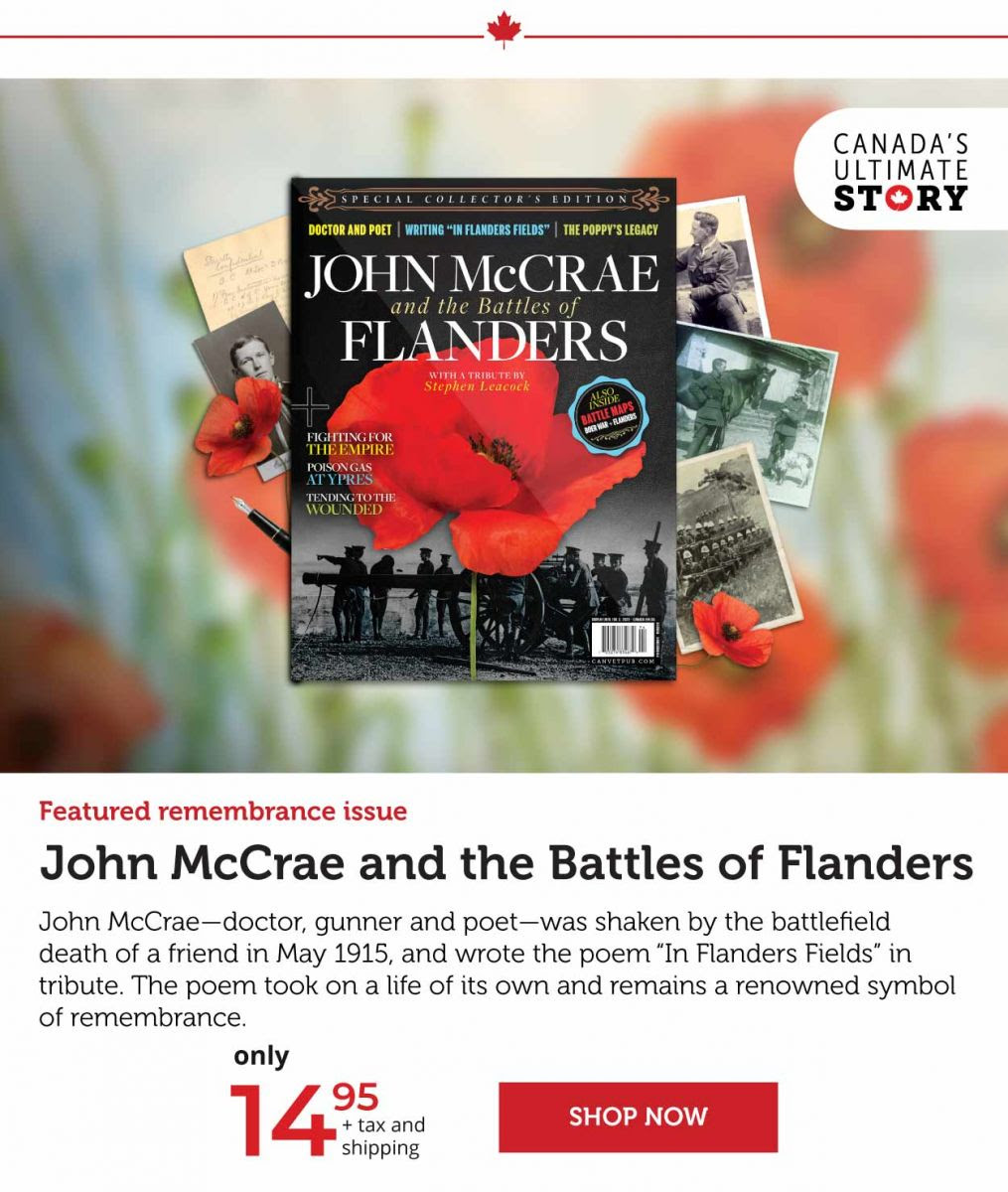
John McCrae and the Battle of Flanders
Front Lines
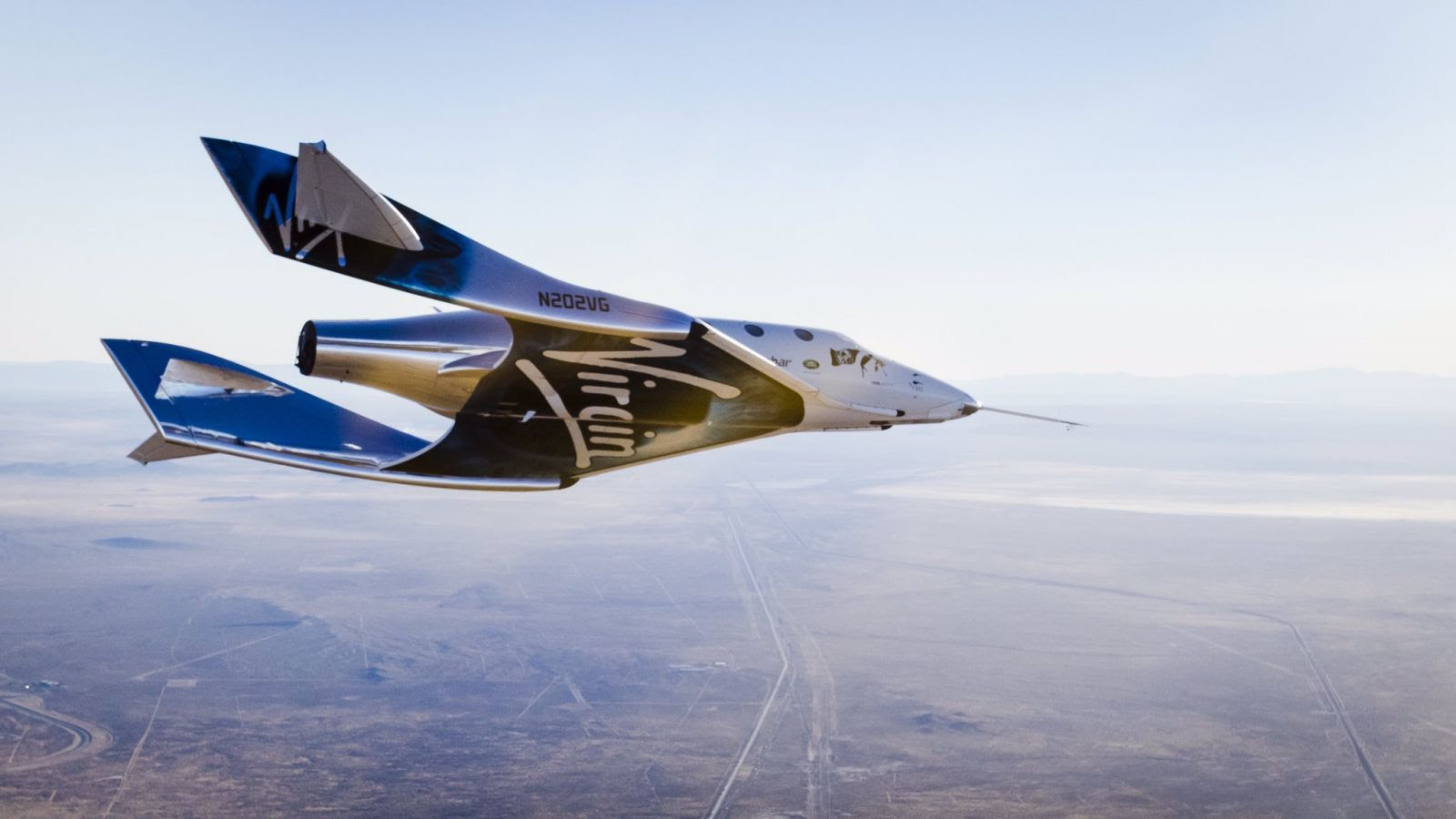
Space, deep-sea tourism coming in 2021—if you’ve got the bucks

Space, deep-sea tourism coming
in 2021—if you’ve got the bucks

Story by Stephen J. Thorne

With a pandemic raging, governments urged wishful travellers to stay close to home in 2020. In 2021, new travel options are on the menu that promise to take a privileged few vacationers away from home and far beyond the surging COVID crowds.

Two companies—Richard Branson’s Virgin Galactic and Canadian Elon Musk’s SpaceX—plan to fly paying passengers into space next year, while OceanGate Expeditions of Everett, Wa., will sail out of St. John’s, N.L., on six trips to the Titanic.

The space options vary. Promoting it as an “out-of-home luxury experience,” Virgin Galactic is offering suborbital trips (about 100 kilometres up) that last a few minutes in space. SpaceX plans orbital tours (more than 400 kilometres up) that will last days.

READ MORE

This week in history

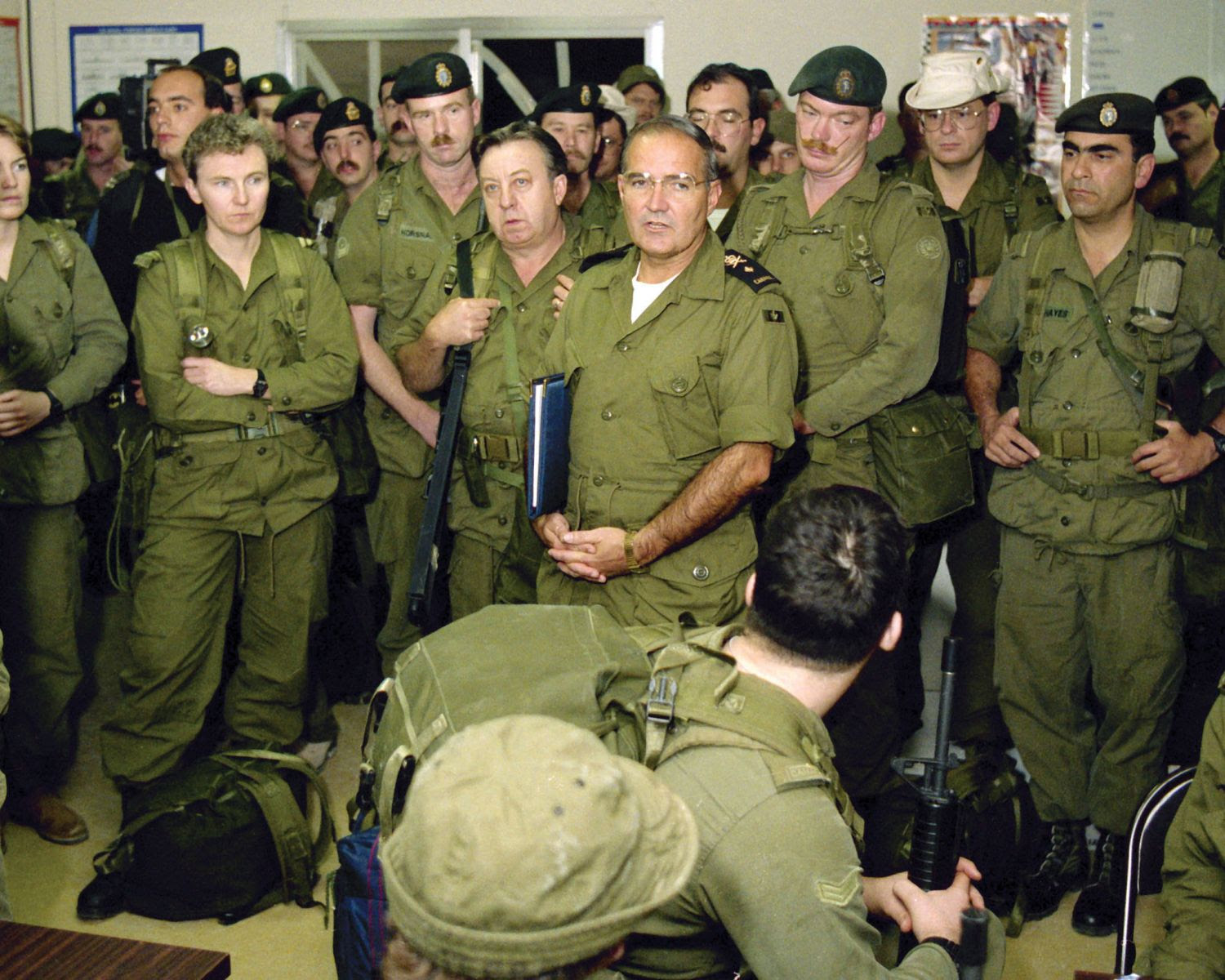
November 6, 1990

CAF establishes a headquarters under Commodore Kenneth J. Summers in Manama, Bahrain, part of Canada’s contribution to the Persian Gulf War.

READ MORE

HearingLife
Legion Magazine

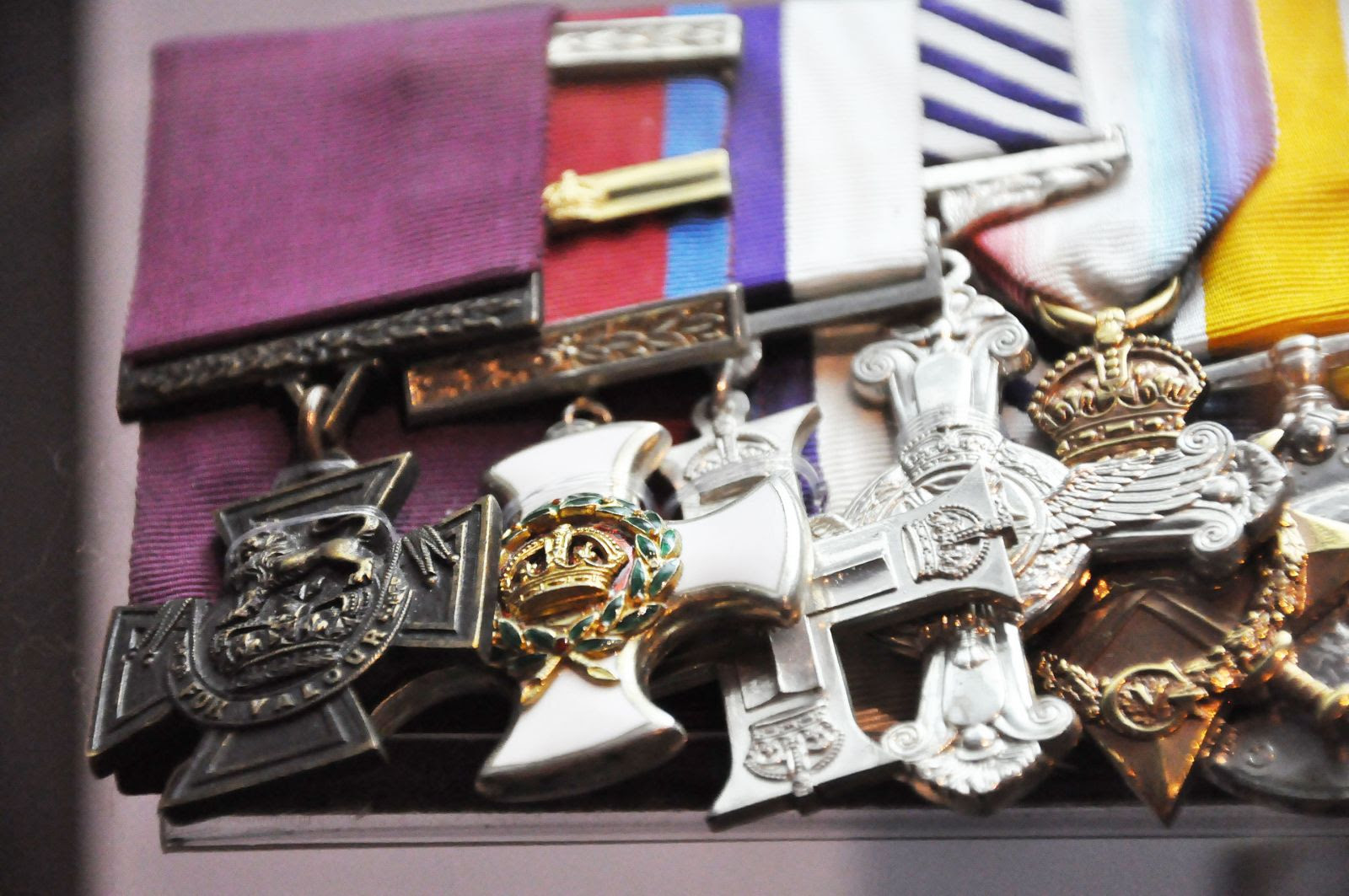
Ingredients that make the Victoria Cross

An item from the Legion Magazine.


Front Lines
Stuff of legend: ingredients that make the Victoria Cross

Stuff of legend:
ingredients that make the Victoria Cross 

Story by Stephen J. Thorne

Everyone knows what a Victoria Cross recipient is made of. But what about the Victoria Cross itself?

Instituted by Queen Victoria at the end of the Crimean War, it has long been believed that the British Empire’s highest award for valour was originally made from bronze taken from Russian cannons captured at Sevastopol in 1855.

Now a British researcher and retired lieutenant-colonel has concluded that it is “highly implausible” the medals, awarded for exceptional gallantry in the presence of the enemy, ever came from Russian guns. Andrew Marriott served 30 years in the Royal Regiment of Fusiliers and is now a visiting researcher at Newcastle University in England.

READ MORE

Canada and the Victoria Cross
A gruelling rescue effort

A gruelling rescue effort

Story by Sharon Adams

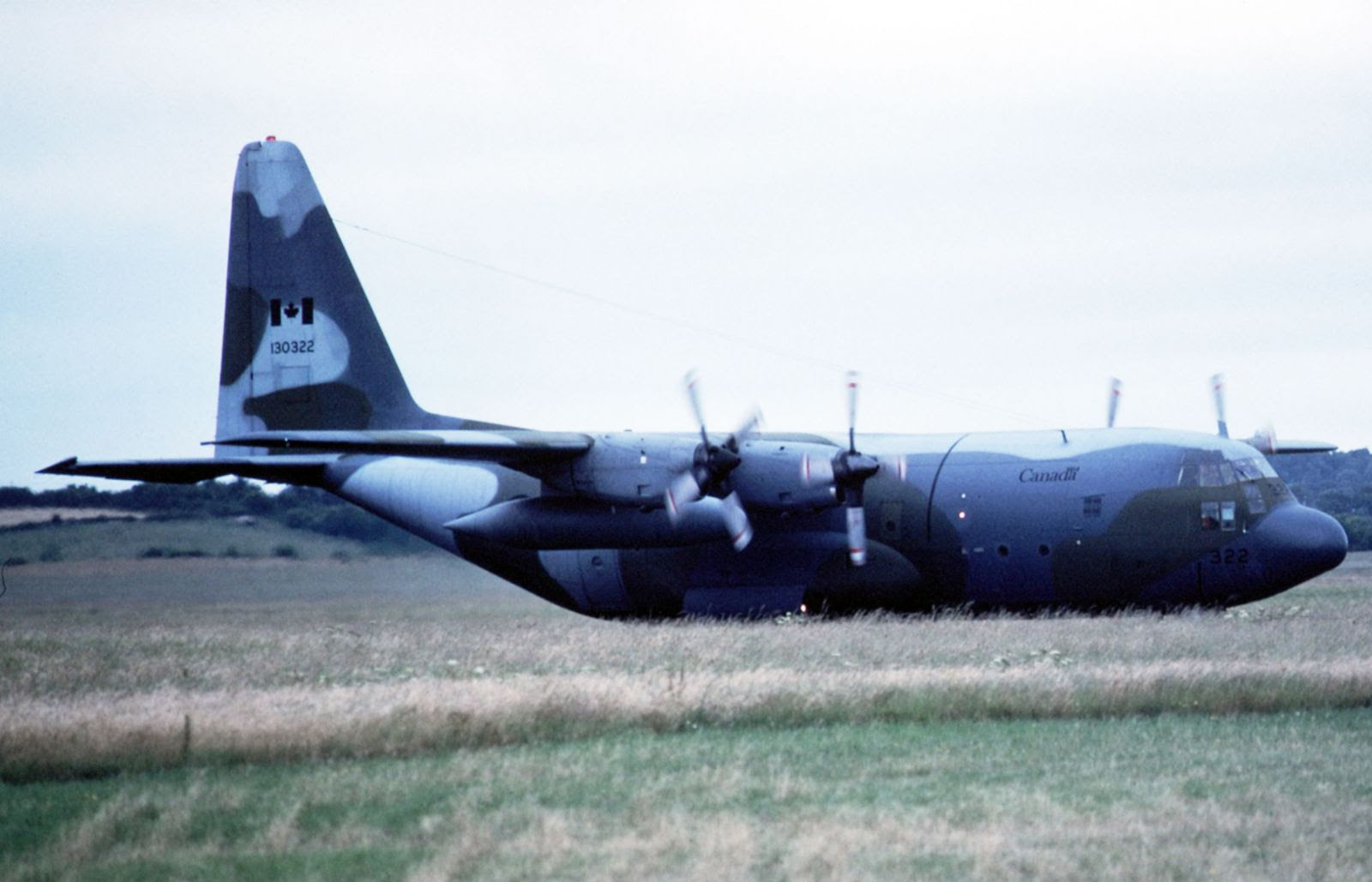
On Oct. 30, 1991, a Canadian Forces CC-130H Hercules transport aircraft left Greenland on a routine airlift of supplies to the isolated Canadian Forces Station Alert, an electronic listening post on the northeastern tip of Ellesmere Island in Canada’s High Arctic.

Everything—personnel, food, supplies, fuel—had to be airlifted into the station, situated 817 kilometres from the North Pole, far north of any settlement.

The flight was scheduled to arrive at the Alert airfield in the dark at 4:30 p.m. On board were a crew of five, 13 passengers and 3,400 litres of diesel fuel.

READ MORE
This week in history

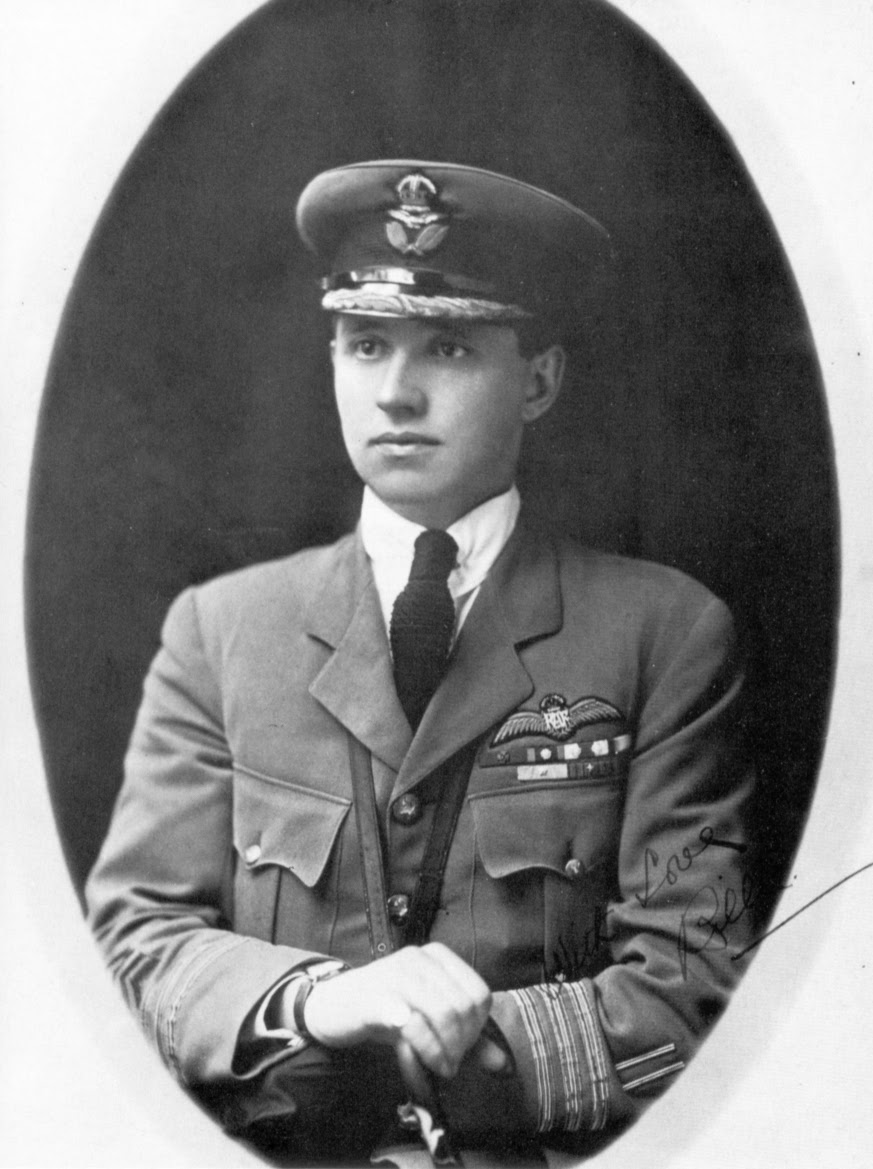
October 27, 1918

Lieutenant-Colonel William Barker shoots down an enemy two-seater over France. Seriously wounded, he shoots down three more enemy aircraft before crash landing near Allied lines. He is awarded the Victoria Cross.

READ MORE

Revera Living
Legion Magazine