Veterans with PTSD should have MedicAlert IDs, says Afghanistan vet
Story by Stephen J. Thorne
War veterans suffering from post-traumatic stress disorder (PTSD) should have validated MedicAlert bracelets stating that they have a combat-related illness, said the decorated survivor of an RPG attack and subsequent firefight.
Sean Teal, a wounded veteran who served four eventful tours in Afghanistan and earned the military’s second-highest award for valour, struggled with physical pain and mental health issues until he was ushered out of the army in 2014. Then his problems got worse.
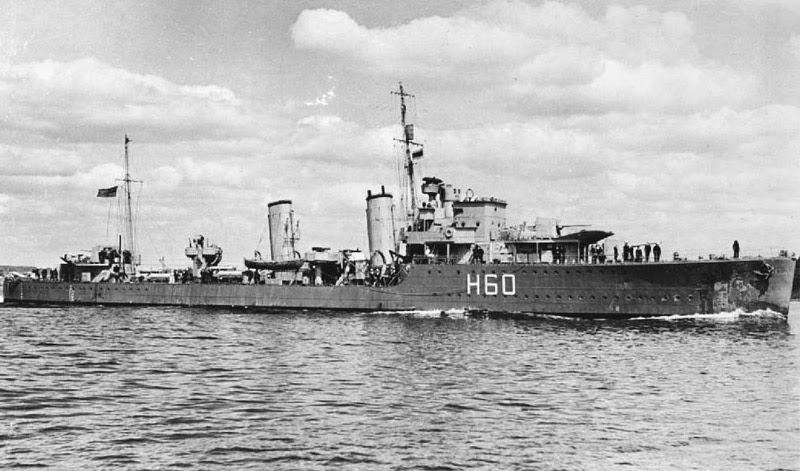
Convoy HX-133—49 merchant ships and an escort of five warships—left Halifax on June 16, 1941, bound for Liverpool, England. Not all of them would arrive.
The merchant ships were arranged in nine short columns, with the escorts—HMC ships Chambly, Orillia and Collingwood, all of them corvettes, and two destroyers, HMCS Ottawa and HMS Wolfe—dispersed among and around them. They sailed into heavy fog.
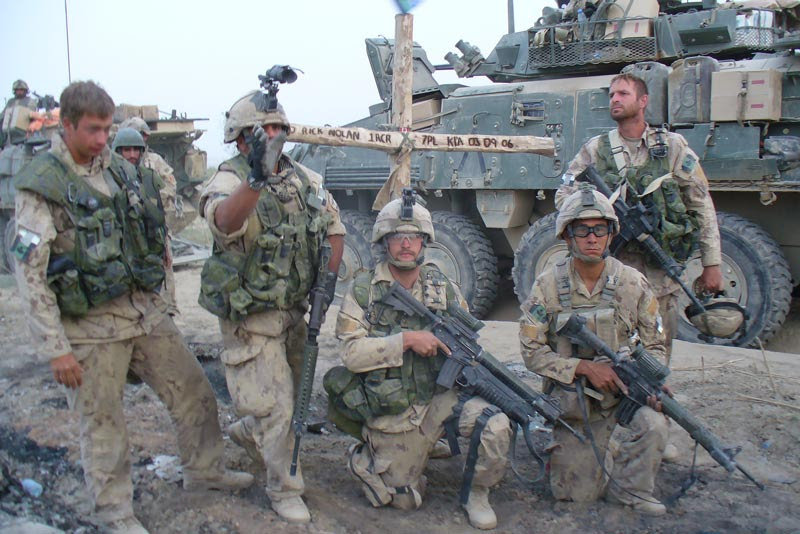
The last thing Corporal Sean Teal said to Warrant Officer Rick Nolan was: “Do you want a Life Saver?”
Before Nolan could reply, a rocket-propelled grenade (RPG) fired by a Taliban fighter struck the windshield of their G-Wagon and killed him. Teal, driving in the seat right next to him, was concussed but functional.
During the Second World War, Iceland—a small island country with a population of about 120,000—was determined to remain neutral, as it had been since the First World War.
But it was strategically located in the North Atlantic between Greenland and the Faroe Islands, just south of the Arctic Circle, which piqued the interest of Germany and Britain. According to an unidentified German naval officer, “whoever has Iceland controls the entrances into and exits from the Atlantic.”















.jpg?1624387903209)






.jpg?1624024594188)












.jpg?1623440893891)







 Royal Canadian Legion, US Branch #25