|
From “Tarktuk” (Darkness) to “Qaumajuk” (Light): Transformations in Canadian Inuit Arts
Tues., Nov. 28 | 12:30 pm | 223 Philosophy Hall | RSVP
During the more than sixty years that Nelson Graburn has been visiting the Canadian North, studying and experimenting with Canadian Inuit arts, and living and communicating with Inuit artists, life in the region has undergone major changes. The North has not only become increasingly “urbanized”, with schools, electricity in permanent housing, and communications by plane, phone, and internet; Inuit artists have also become aware of their global context and the international art world. Today, many have undertaken professional arts education and moved to live in the South.
The original generation of artists – Kananginak, Qirnuajuak (Kenojuak), Charlie and Aisa Shivuarapik, Jessie Oonark – were proud to share their world with outsiders. With the arrival of new forms of communication, those living in the North became more aware of the significance of their arts, their place as icons of Canadianness, as well as their relative poverty and formerly very localized world view. A new generation arose who incorporated views of and from the outside world. They increasingly visited the South, whether to sell their works, attend openings and exhibitions, attend schools and colleges, or just to spend time. They also became aware of their cultural and linguistic relatives in Greenland and Alaska and, like them, have won political rights and degrees of self-government. Many even settled away from their homeland to practice and sell their arts in the South.
Today, almost one-third of Canadian Inuit live in the South, and younger artists practice many art forms, like Qallunaat (white) and other Indigenous contemporary artists. Theirs is no longer “tourist art” but it remains an ethnic art, expressing their contemporary identities, struggles, and views of their ancestral culture. Their arts remain proud – and exploited – icons of Canadian identity, but also express strong Circumpolar and postcolonial feelings.
About the Speaker
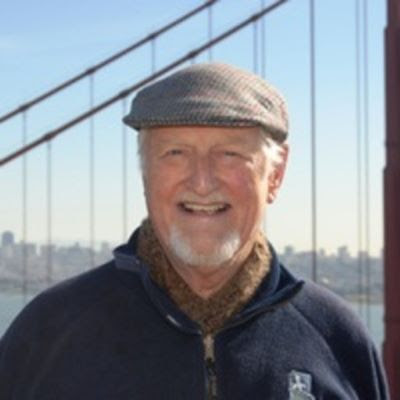
Dr. Nelson Graburn first lived in the North in 1959 and again in 1960, as a student at McGill and an employee of the Federal Government of Canada. He was struck by the creativity of Inuit artists and the importance of their sanasimayangiit (things we made) in their personal, cultural, and economic lives. After completing his Ph.D. at the University of Chicago, he returned to live in the North eight times, along with many smaller trips. He first published about Inuit art, as “Airport Art” in Canada (1967) and examined comparable movements among the world’s other Indigenous peoples, in Ethnic and Tourist Arts (1976). He has continued to research, teach, and publish about contemporary art, heritage, identity, and tourism – and he communicates almost daily with the Inuit, their children, and grandchildren in the North via the Internet.
This event is co-sponsored by the Department of Anthropology. |







.jpg?1701289937298)







 Royal Canadian Legion, US Branch #25