| Le texte en français suit…
Dear educators,
2024 is here and Veterans Affairs Canada is back with more free, bilingual resources to help students learn about the brave people who have served our country in times of war, military conflict and peace. Here are some resources relating to upcoming anniversaries and milestones:
Valentines for Vets
Show Veterans that they are in our thoughts and our hearts with handmade valentines. Visit our website to learn how your students can put a smile on the faces of some very deserving Canadians on February 14th through our Valentines for Vets program.
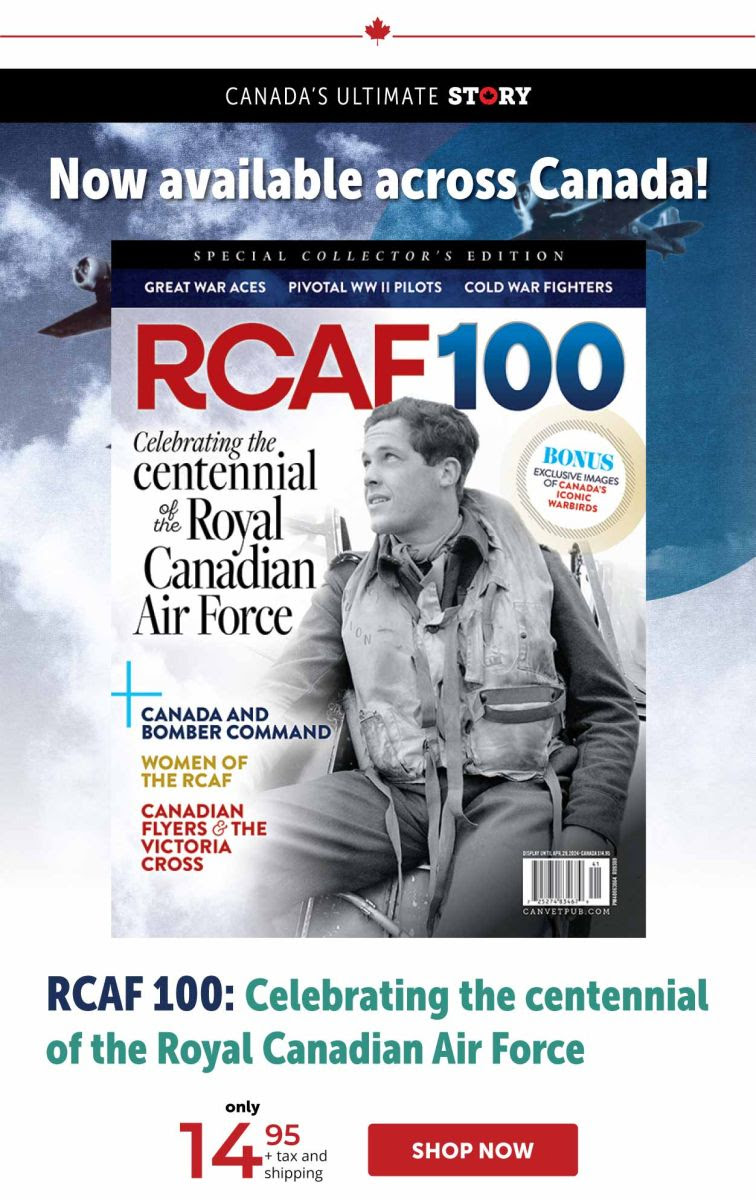
100th anniversary of the Royal Canadian Air Force
2024 is the centennial of the Royal Canadian Air Force. Explore the RCAF 100 website to learn about their contributions at home and around the world. Be sure to also check out their Inspire and STEM section for youth featuring science and technology activities from the Canadian Aviation and Space Museum that you can use in your classroom!
Black Canadians in uniform
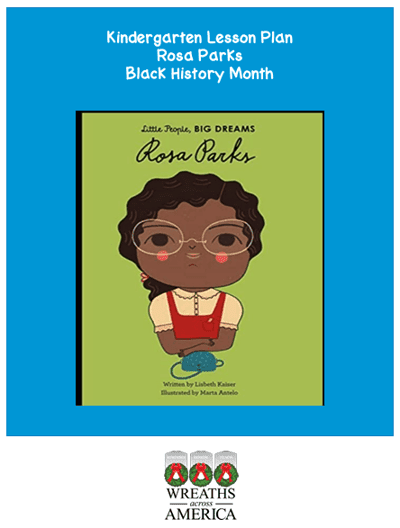
February is Black History Month. Black Canadians have bravely served our country for well over two centuries, overcoming many barriers to stand up for peace and freedom. Visit our Black Canadians in uniform web feature for bilingual lesson plans, historical information, photos, Veteran profiles and Heroes Remember interviews. Here are a few additional resources funded through our Commemorative Partnership Program that you may find helpful:
Help name our sheep!
The news is out… our Remembrance Club animal characters are getting a new addition. This fall, a sheep from the herd that grazes the former battlefields of the Canadian National Vimy Memorial in France will join the crew. But this wooly friend needs a name and your class can have a say! Visit our website with your students to see and hear the name choices in English, French and Indigenous languages. Then, take a vote and email the results to us at education@veterans.gc.ca! The results will be announced on April 9th – Vimy Ridge Day.
Recognition cards
It’s never the wrong time to say thank you! Our revamped Veteran Recognition Card program is a great way for youth to give personal notes of thanks to Veterans and Canadian Armed Forces members year-round. Our colourful new postcards can be ordered free-of-charge. Once your students finish them you can give the cards to Veterans in your own community. What a meaningful way for students to learn about an important subject while fulfilling your literacy and social studies curriculum goals.
We’ll be back again in a few months with more free resources and links to help you and your students learn more about Canadian military history, including the 10th anniversary of the end of the Afghanistan Mission (March), the 80th anniversary of D-Day and the Battle of Normandy (June), and the contributions of Canadians serving in Africa. Stay tuned!
Have a great rest of the school year!
The Veterans Affairs Canada Learning Team
If you would like to be removed from our mailing list, please reply to this message and type “Unsubscribe” in the subject heading.
Please read the privacy notice at the bottom of this message.
Chère éducatrice, cher éducateur,
Nous sommes maintenant en 2024 et Anciens Combattants Canada vous suggère des ressources pour continuer à faire briller le Souvenir en classe. Notre matériel gratuit et bilingue aide les jeunes à mieux connaître les histoires des militaires canadiens au fil du temps. Voici quelques idées qui cadrent avec des anniversaires militaires et des jalons importants qui seront bientôt commémorés :
Des valentins pour les vétérans
Démontrez de manière créative que vous pensez aux vétérans en faisant des cartes de souhaits. Visitez notre site web pour en apprendre davantage au sujet du programme Des valentins pour les vétérans et aidez à réchauffer le cœur d’une personne qui a servi le pays.
100e anniversaire de l’Aviation royale canadienne
Nous soulignons en 2024 le centenaire de l’Aviation royale canadienne. Visitez le site web rcaf2024arc.ca pour en apprendre plus à propos de leurs importantes contributions au Canada et à travers le monde. Prenez aussi le temps de naviguer sur la section web Jeunes : Inspiration et STIM, mettant l’accent sur les sciences et la technologie, conçue spécialement pour les élèves, par le Musée canadien de l’aviation et de l’espace.
Canadiens noirs en uniforme
Le pays célèbre en février le Mois de l’histoire des Noirs. De nombreux Canadiens noirs ont servi dans les forces armées depuis plus de deux siècles, surmontant des obstacles pour défendre la paix et la liberté. Visitez notre site web Les Canadiens noirs en uniforme pour voir des plans de leçons, de l’information historique, des photos, des histoires de vétérans et des entrevues. Voici aussi quelques ressources ayant reçu un appui financier du Programme de partenariat pour la commémoration pouvant vous intéresser:
- Black Canadian Veterans Stories présente une impressionnante collection d’histoires puisées dans la longue et fière tradition militaire (disponible uniquement en anglais).
- Le Musée militaire du Niagara présente des ressources en ligne. Le livre électronique Black Military History of Niagara ainsi que l’exposition itinérante sur l’histoire militaire des Noirs de Niagara explorent le rôle important des Canadiens noirs de la région du Niagara et des environs, ayant porté l’uniforme militaire canadien au fil du temps (disponible uniquement en anglais).
|
Aidez-nous à nommer notre mouton!
Passez le mot… les animaux du Club du Souvenir accueillent bientôt un nouveau membre! Cet automne, un mouton provenant du troupeau qui broute sur les champs de bataille préservés autour du Mémorial national du Canada à Vimy en France se joint à l’équipe. Notre ami laineux a toutefois besoin d’un nom et votre classe est invitée à voter! Visitez notre site web pour lire et écouter la prononciation des noms suggérés, en français, en anglais et en langue autochtone. Vous pouvez ensuite voter en ligne ou nous soumettre votre choix par courriel à education@veterans.gc.ca ! Le résultat du vote sera annoncé le 9 avril, jour qui marque le début la bataille de la crête de Vimy.
Cartes d’appréciation
Dire merci est toujours apprécié. Notre programme de Cartes d’appréciation des vétérans est une manière simple et efficace permettant aux jeunes d’offrir des remerciements personnalisés aux vétérans et aux membres des Forces armées canadiennes pendant toute l’année. Vous pouvez commander nos cartes gratuitement. Nous encourageons les élèves à écrire des cartes pour des gens de votre communauté ayant porté l’uniforme militaire ou qui sont toujours en service. C’est une belle occasion de remercier des militaires tout en consolidant des objectifs d’écriture et de sciences sociales.
Nous vous contacterons dans quelques mois pour vous proposer des ressources gratuites qui aideront vos élèves à parfaire leurs apprentissages au sujet du 10e anniversaire de la fin de la mission en Afghanistan (mars), le 80e anniversaire du jour J et de la bataille de Normandie (juin) et les contributions de militaires canadiens en Afrique. Surveillez votre boîte de courriels!
Bonne continuation de votre année scolaire,
L’équipe d’apprentissage d’Anciens Combattants Canada
Si vous désirez ne plus faire partie de notre liste d’envoi par courriel, veuillez répondre à ce courriel en indiquant “Se désabonner” dans l’objet de votre message.
Veuillez lire l’énonce de confidentialité à la fin de ce message.
Privacy Notice
Veterans Affairs Canada (VAC) takes your privacy seriously. We are committed to protecting your personal information. The information you have provided to VAC is collected under the authority of the Order-in-Council PC 1965-688 and is used solely for communicating news about learning resources. Providing your information is voluntary; however, if you provide incorrect or incomplete information, you may not receive your requested information.
Your personal information is managed based on the Privacy Act. The Privacy Act provides you with a right of access to your personal information, and to request changes to that personal information if it contains errors. If you are unhappy with how we handle your personal information, you can file a complaint with the Privacy Commissioner of Canada at 30 Victoria Street, Gatineau QC, K1A 1H3. More details on the collection, use and disclosure of personal information are described in VAC’s Personal Information Bank, Public Education and Awareness (VAC PPU 260), in the Information about Programs and Information Holdings page found on Veterans Affairs Canada’s website.
Énoncé de confidentialité
Anciens Combattants Canada (ACC) prend très au sérieux la protection de vos renseignements personnels. Nous nous sommes engagés à les protéger. Les renseignements que vous avez fournis à ACC sont recueillis en vertu de l’autorisation prévue par le décret du Conseil privé 1965-688 et sont utilisés uniquement pour communiquer de l’information sur les ressources d’apprentissage. Vous n’êtes pas obligé de fournir vos renseignements. Toutefois, vous pourriez ne pas recevoir l’information que vous avez demandée si vous fournissez des renseignements incorrects ou incomplets.
Vos renseignements personnels sont gérés conformément aux dispositions de la Loi sur la protection des renseignements personnels. Selon cette loi, vous avez le droit de consulter vos renseignements personnels et d’exiger des corrections en cas d’erreur. Si vous n’êtes pas satisfait de la façon dont nous gérons vos renseignements personnels, vous pouvez déposer une plainte auprès du Commissariat à la protection de la vie privée du Canada, à l’adresse suivante : 30, rue Victoria, Gatineau (Québec) K1A 1H3. Pour obtenir plus de détails sur la collecte, l’utilisation et la divulgation de renseignements personnels, consultez le fichier de renseignements personnels d’Anciens Combattants Canada (ACC) intitulé Éducation et sensibilisation du public (ACC PPU 620), qui figure dans la publication Renseignements sur les programmes et les fonds de renseignements sur le site web d’Anciens Combattants Canada. |











.jpg?width=520&upscale=true&name=wreaths%20radio%20icons%20(1).jpg)










.jpeg?1706126685529)










 Royal Canadian Legion, US Branch #25