Monthly Archives: October 2018

Time for a fall getaway!

An announcement from the Canada History magazine.  Note the item below entitled “Beyond the Trenches.”


View this email in your browser
Canada's History

Interpreting the Indian Act

A new exhibit at the Canadian Museum for Human Rights in Winnipeg identifies issues with the Indian Act and challenges people to think about its historical and continuing impacts on Indigenous people across Canada.
Read more

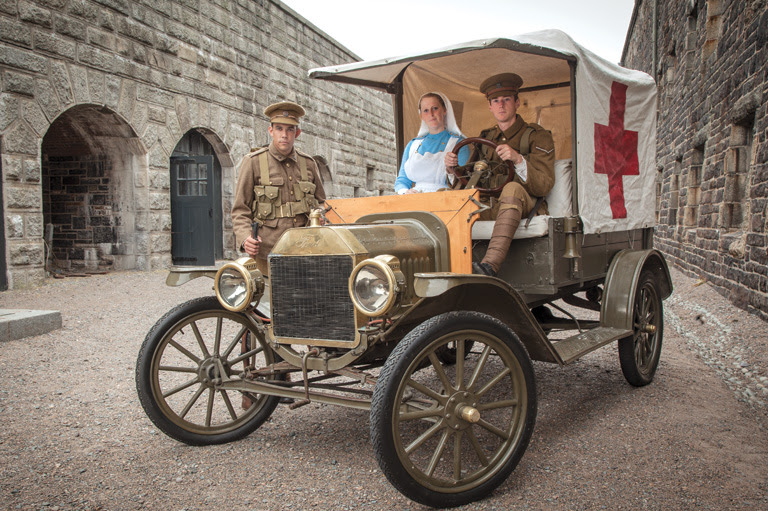
Beyond the Trenches

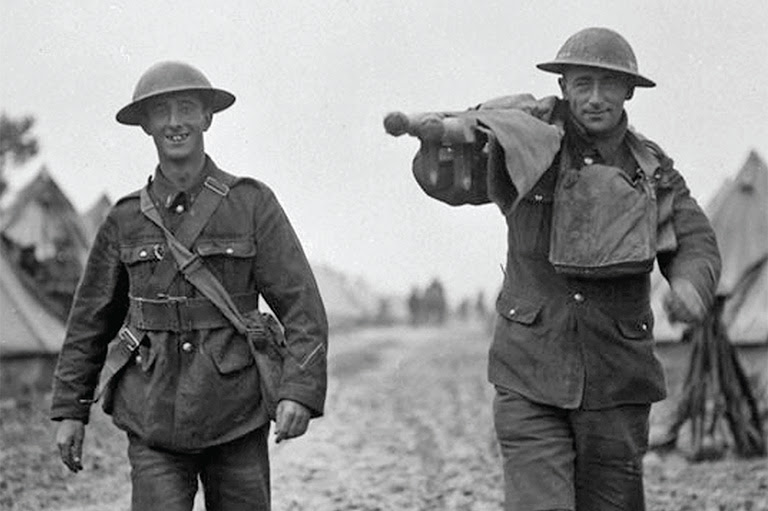
As Canadians mark the centennial of the end of the “war to end all wars,” here are some national historic sites on the home front that enrich and enhance our knowledge of the First World War.
Read more

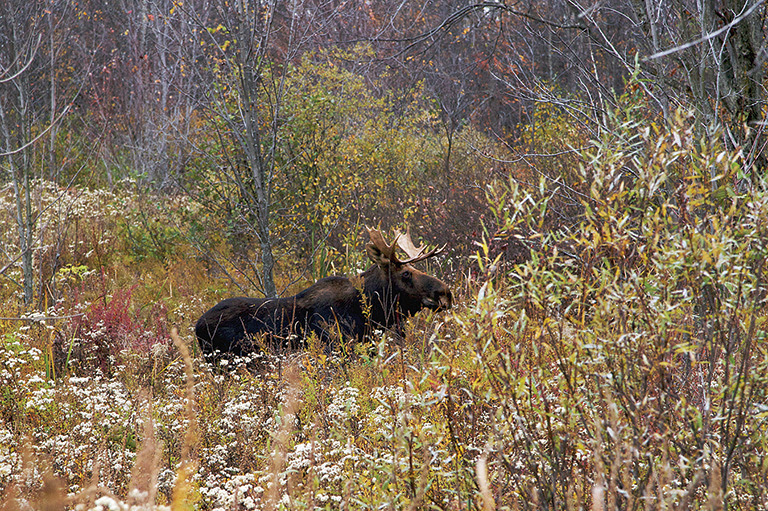
Ottawa’s Blue Sea Bog

Just ten kilometres southeast of Parliament Hill, the Mer Bleue Bog is known as the “hidden jewel” of Ottawa’s greenbelt. Explore one of its many trails to discover a boreal landscape that is atypical for this region. Read more

Advertisement

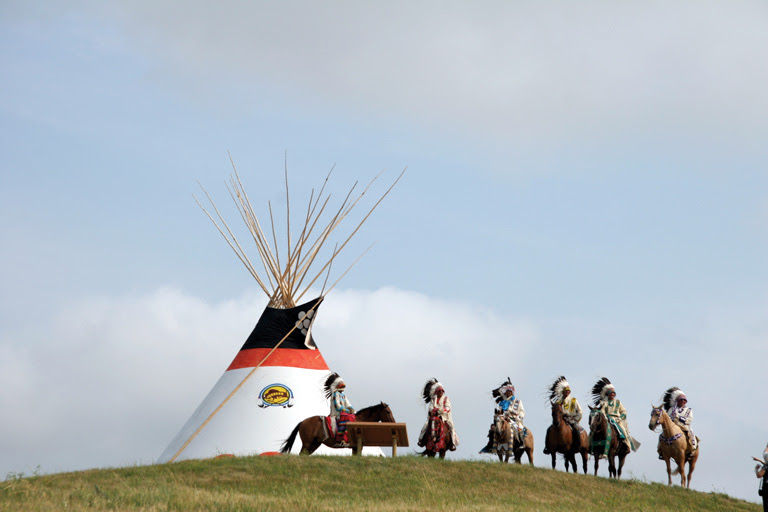
Blackfoot Legacy

One hour east of Calgary, on Alberta’s Siksika Nation, is Blackfoot Crossing Historical Park. The cultural, educational, and entertainment centre promotes and preserves the Siksika Nation Peoples’ language, culture, and traditions. Read more

Ghosts of Gold

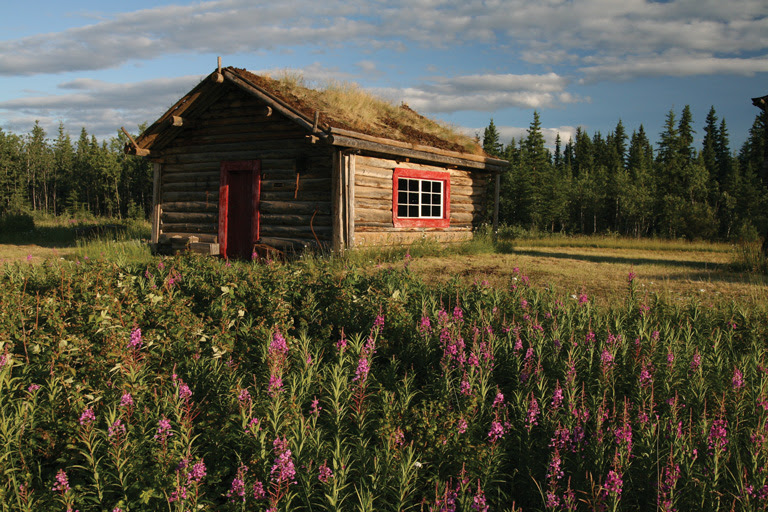
When Allen Macartney embarked on a 1,500 kilometre solo canoe and hiking trip to retrace the Klondike gold rush route, he encountered the ruins and relics of mining settlements that at one time were bustling spots in Yukon.
Read more

Start your subscription today and get your first issue free!

SUBSCRIBE NOW
Did you get this newsletter from a friend? Sign up for your own and you’ll be eligible to win a FREE book!
We have five uniquely curated newsletters, including ones for teachers and in French. Sign Up Now
Share
Tweet
Forward
View this email in your browser

Copyright © 2018 Canada’s History, all rights reserved.
You are receiving this email as a member or friend of Canada’s History. / Vous recevez ce courriel parce que vous êtes membre ou parce que vous appartenez à la communauté d’esprit de la Société Histoire Canada.

Our mailing address is:

Canada’s History

Main Floor Bryce Hall, 515 Portage Avenue

WinnipegMB R3B 2E9

Canada

FREE SHIPPING for Fall!

From the Legion Magazine.


Announcing “Remembrance Road: A Canadian photographer’s journey through European battlefields”

This is an interesting item in advance of the 100th anniversary of the armistice.


Remembrance Road

A Canadian photographer’s journey
through European battlefields

Now Available.

To mark the 100th anniversary of the end of World War I, SSP Publications of Halifax is proud to release Justine MacDonald’s Remembrance Road. This book is a colourful and poignant photo journey through western European battlefields, from a Canadian perspective.

Please see the attached. If you have any questions, would like to order or contact the author, you can reach us by phone, email or through our website.

Lest we forget.

To Order
SSP Publications
Box 2472, Halifax, N.S. B3J 3E4
sspub@hotmail.com
902.483.9526

Find Out More
Copyright © 2018 Aurora Lee, All rights reserved.
SSP Publications

Our mailing address is:

Aurora Lee

PO BOX 99900 MY 042 420
RPO 1

KentvilleNs B4N 0J4

Canada

Talking about war and peace in the classroom

Another item from Canada’s History that features several World War I and veterans items.


Periods of peace and conflict in Canadian history
View this email in your browser
Ride the rails of Northern Ontario this winter!
Canada's History

Remembering the Great War

This Remembrance Day marks the centennial of the end of the Great War. Check out this list of resources — from lesson plans to podcasts — to explore the First World War and its legacy with your students.
Learn more

Peacemakers, peacekeepers, and peacebuilders

The November-December 2009 issue of Kayak: Canada’s History Magazine for Kids was all about peace! Check out the article “Pearson and the Blue Berets” to learn more about Canada’s history of peacekeeping.
Read more

Veterans’ Week

During Veterans’ Week, from November 5 to 11, many Canadians will remember and honour those who served our country, as well as those who serve today. Veterans Affairs Canada offers a suite of learning materials for students to explore the idea of remembrance.
Learn more

The Battle of Hill 70

In August 1917, the Canadian Corps launched a campaign to capture the strategic high point of Hill 70.
Bring this story into your classroom using the Battle of Hill 70 Memorial Project’s educational resources.
Learn more 

More than a mascot

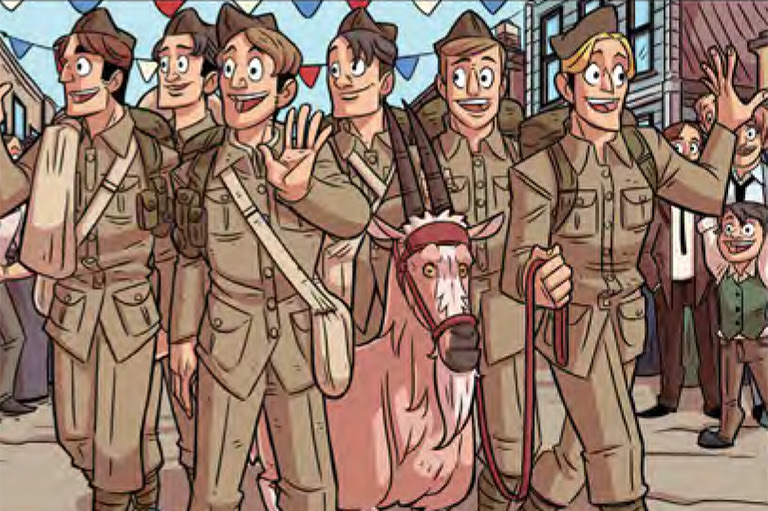
Share the story of Sergeant Bill, a Saskatchewan goat who earned medals in the First World War for capturing an enemy soldier and saving his own men from an explosion.
Read more

Kayak makes a great gift!
Advertisement
Did you get this newsletter from a friend? Sign up for your own and you’ll be eligible to win a FREE book!
We have five uniquely curated newsletters, including ones for teachers and in French. Sign Up Now
Share
Tweet
Forward
View this email in your browser

Copyright © 2018 Canada’s History, all rights reserved.
You are receiving this email as a member or friend of Canada’s History. / Vous recevez ce courriel parce que vous êtes membre ou parce que vous appartenez à la communauté d’esprit de la Société Histoire Canada.

Our mailing address is:

Canada’s History

Main Floor Bryce Hall, 515 Portage Avenue

WinnipegMB R3B 2E9

Canada

Policing the Medak Pocket

From the Legion Magazine.


WW I Deluxe Collection!
Front lines
Policing the Medak Pocket

Policing the Medak Pocket

Story by Stephen J. Thorne

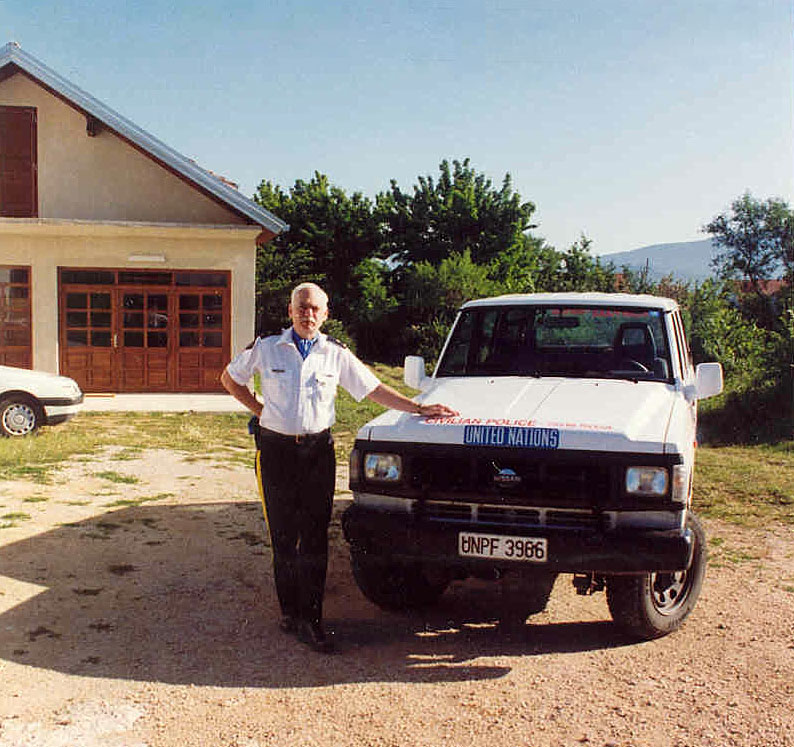
It was the autumn of 1993 and in the aftermath of the bloody confrontation in Croatia’s Medak Pocket, RCMP Inspector Bob Munro and his team of international police officers were looking for evidence of war crimes. The two sides—Croatians and Serbians—claimed they only killed combatants after Yugoslavia broke up, but the evidence proved otherwise. As he pored through forensic photos, it was clear to Munro that many of the dead were unarmed civilians, all execution victims.

READ MORE

WW I Collection 5-Volume Set
Military Milestones

October 11, 1918
Wallace Algie’s sacrifice

After occupying Cambrai, France, Canadian troops continued the Hundred Days Offensive, engaging in the attack on Iwuy, eight kilometres to the northeast, on Oct. 11, 1918.

German machine gunners laid down heavy fire from secure positions atop a railway embankment and behind groups of houses in the town.

Lieutenant Wallace Lloyd Algie of Toronto saw more machine guns being brought to bear on the Canadian position. Collecting nine volunteers, he charged a gun post, killed the gunner, and turned the weapon on the enemy, allowing his men to cross the railway embankment.

Then he rushed a second machine gun, killed its crew, captured an officer and 10 men and cleared his end of the village. After showing the volunteers how to use the captured guns, Algie went back for reinforcements. While running ahead of these men toward the houses sheltering the German gunners, Algie was shot. It was the beginning of a counterattack.

Algie’s men held their position, despite an attack by four tanks, until the 27th Battalion was able to seize the village and rout the enemy.

Algie was awarded the Victoria Cross “for most conspicuous bravery and self-sacrifice…. His valour and personal initiative in the face of intense fire saved many lives and enabled the position to be held,” says the extract from the London Gazette in January 1919.

He was given a battlefield burial, and later moved to a Commonwealth War Grave in the Niagara Cemetery at Iwuy.

Newspaper accounts of the day bring life to his profile. Algie, a bank employee before the war, was of Scottish descent and as a boy loved tales of military exploits, particularly of the Indian Mutiny and Crimean War.

While on leave, he visited the ancestral home of the Algies in Scotland and saw the monument to Covenanter martyrs James Algie and Thomas Park. The pair was tried and executed in 1685, in a period known as the Killing Times, for refusing to take an oath not to take arms against King Charles II. Covenanters were Presbyterians upset by the monarch reneging on his 1650 Oath of Covenant. It was an agreement to establish Presbyterianism as the Scottish national religion and recognize the church’s authority in English civil law, in exchange for support during the civil war and restoration of the monarchy, which had been suspended after the execution of King Charles I in 1649.

More than 200 years later, Wallace Algie also gave up his life for a cause he believed in.

Pocket Pal Notepad and 2019 Calendar
This week in history
This Week in History

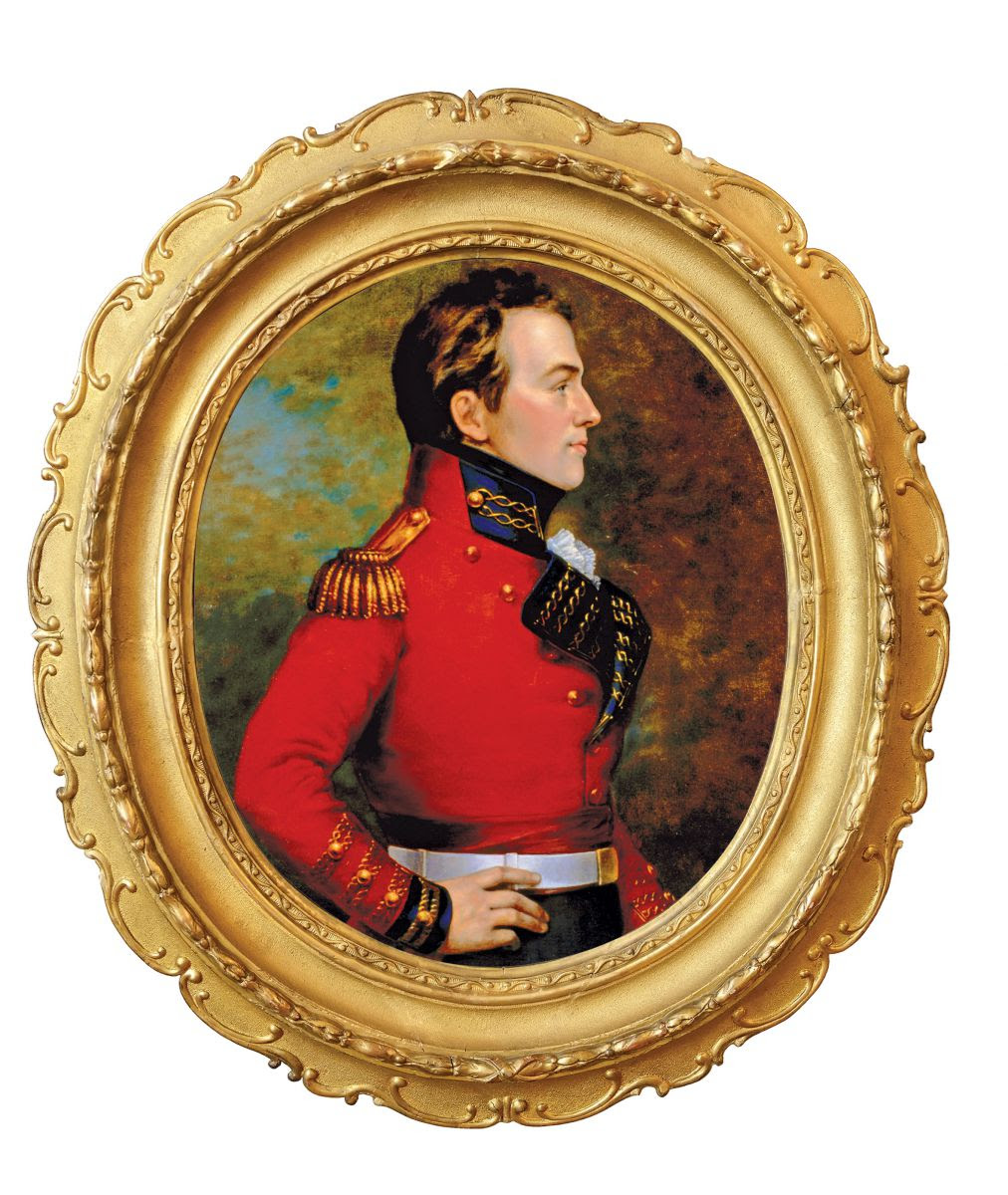
October 13, 1812

British Major-General Sir Isaac Brock is killed at the Battle of Queenston Heights.

READ MORE

Revera