Tag Archives: Canada’s History

Painting Devastation | Book Reviews | Young Adventurer | Our Latest Top Sellers

Several items in this newsletter from the folks at Canada’s History magazine that may be of interest to our members.


“To acquire the habit of reading is to construct for yourself a refuge from almost all the miseries of life.” — W. Somerset Maugham
View this email in your browser
Get a FREE issue of Canada's History - subscribe now!
Canada's History Reading Den

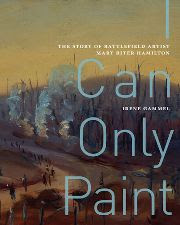
Book cover of I Can Only PaintArt of commemoration

The October-November issue of Canada’s History magazine includes an excerpt from I Can Only Paint: The Story of Battlefield Artist Mary Riter Hamilton, by Irene Gammel. Beginning in 1919, Hamilton travelled to devastated towns and battlefields in France and Belgium where Canadian soldiers had been active during the First World War.

At the Somme, Vimy Ridge, and the Ypres Salient, Hamilton endured difficult conditions that included rough shelter, inadequate food, poor weather, and surroundings littered with unexploded shells. Working sometimes with canvas and at others with available materials such as paper, plywood, and cardboard, she nonetheless produced more than three hundred paintings between 1919 and 1922.

Gammel’s book places this period of Hamilton’s work in the context of the artist’s life and in relation to other art and war art. It includes dozens of full-colour reproductions of her paintings as well as maps, photographs, and illustrations. You can also read the excerpt online.

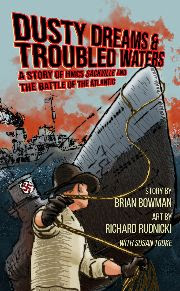
Book cover of Dusty Dreams & Troubles WatersDaring at sea

Recipients of the Reading Den are automatically entered to win one of three copies of Dusty Dreams & Troubled Waters: A Story of HMCS Sackville and the Battle of the Atlantic, a graphic novel for middle-grades readers. Written by Brian Bowman and illustrated by Richard Rudnicki with Susan Tooke, the book follows a young prairie boy as he leaves behind the family farm to pursue a career in the navy.

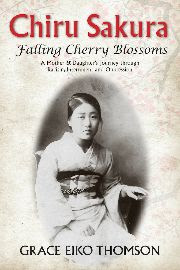
Book cover of Chiru SakuraExamining Canadian history

You can read the latest book reviews from Canada’s History magazine on our website — and, when you make purchases after linking to Chapters-Indigo from our website or from the Reading Den, Canada’s History Society receives a commission that supports our publishing and educational programs.

Top 10 Bestsellers

  1. The Diary of Dukesang Wong: A Voice from Gold Mountain
  2. A Love Letter to Africville
  3. Fight On!: Cape Breton Coal Miners
  4. First Canadian Army: Victory in Europe 1944–45
  5. The Audacity of His Enterprise: Louis Riel and the Métis Nation
  6. The Company: The Rise and Fall of the Hudson’s Bay Empire
  7. Heard Amid the Guns: True Stories from the Western Front
  8. Uplift: Banff School of Fine Arts
  9. Enemy Alien: Life Behind Barbed Wire
  10. Invisible Generations: Living between Indigenous and White
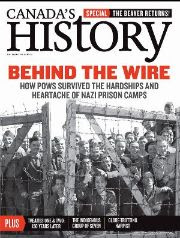
Cover of the October-November 2021 issue of Canada's History featuring prisoners of war.
Start your subscription today and get your
first issue free!
Subscribe Now
Book cover of The Invisibles

Book Giveaway Winners

Congratulations to:

  • Ross S., Mineville, N.S.
  • Amy Bowring, Whitby, Ont.
  • Michèle K., Ayr, Ont.

Canada’s History Archive featuring The Beaver

Please note: Some items featured in our newsletters and social media will include links to the Canada’s History Archive. The Beaver magazine was founded, and for decades was published, during eras shaped by colonialism. Concepts such as racial, cultural, or gender equality were rarely, if ever, considered by the magazine or its contributors. In earlier issues, readers will find comments and terms now considered derogatory. Canada’s History Society cautions readers to explore the archive using historical thinking concepts — not only analyzing the content but asking questions of who shaped the content and why.
Did you get this newsletter from a friend? Sign up for your own and you’ll be eligible to win a FREE book!
We have five uniquely curated newsletters, including ones for teachers and in French. Sign Up Now
Share Share
Tweet Tweet
Forward Forward
© 2021 Canada’s History, All rights reserved.
You are receiving this email as a member or friend of Canada’s History. / Vous recevez ce courriel parce que vous êtes membre ou parce que vous appartenez à la communauté d’esprit de la Société Histoire Canada.

Our mailing address is:

Canada’s History

Main Floor Bryce Hall, 515 Portage Avenue

Winnipeg, MB R3B 2E9

Canada

Digital Education from The Royal Canadian Regiment Museum

An item from Canada’s History magazine.


Sponsored
View this email in your browser
Royal Canadian Regiment Museum
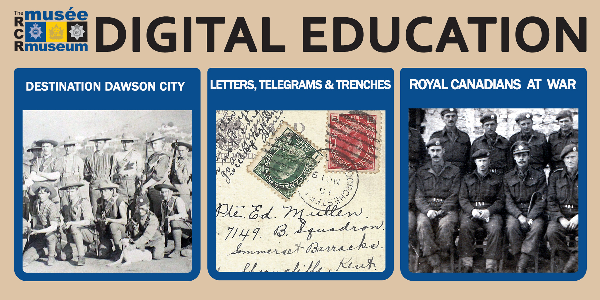
The Royal Canadian Regiment Museum offers Digital Education. Ontario curriculum-based, the program covers a wide range of subjects, Gr 7 to Gr 12. These learning resources including lesson plans are accessible upon request via Google Drive; an optional synchronous component is available.

Destination Dawson City
The Yukon Field Force (1898–1900)

Learn about the four-month long journey to reach the Yukon during the Klondike Gold Rush. Explore the methods of transportation used to get them to their destination and links to science and geography curriculums.

Letters, Telegrams & Trenches
Primary Sources and WWI

Explore a variety of primary source documents related to the First World War while learning how to read and interpret them. Inspire your students to analyze documents and develop critical thinking skills.

Royal Canadians at War
The RCR and WWII

Learn about the experience of The Royal Canadian Regiment during the Second World War, including recruiting, training time in Britain, the Italian Campaign and the liberation of northwestern Europe in 1945.

Check our website and contact the Public Programmer to book one of these programs or to find out more.

Online Guided Tours can also be arranged and tailored to your classroom needs. More educational activities can be accessed through the museum website.

We look forward to sharing our Digital Education with educators and students across Canada!

BOOK NOW
Share Share
Tweet Tweet
Forward Forward
View this email in your browser

Canada’s History,
You are receiving this email as a member or friend of Canada’s History. / Vous recevez ce courriel parce que vous êtes membre ou parce que vous appartenez à la communauté d’esprit de la Société Histoire Canada.

Our mailing address is:

Canada’s History

Main Floor Bryce Hall, 515 Portage Avenue

Winnipeg, MB R3B 2E9

Canada

Canadian Retropets 🐪 🐴 🐦 🐻 🐶

Note this portion of the recent Canada’s History magazine.


Famous (and not so famous) furry and feathered friends of our past.
View this email in your browser
Subscribe to Kayak - for kids ages 7-12!
Canada's History
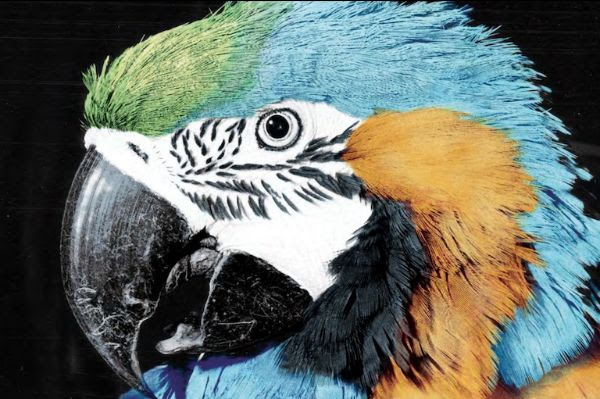
Photo of a blue-and-yellow macaw parrot.
[STUFF DELETED]
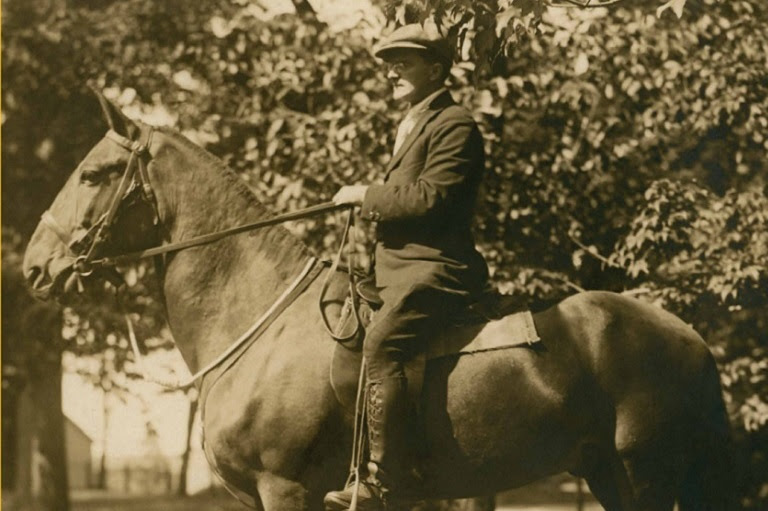
Sepia photo of a man wearing a paper boy hat riding a horse.

A Tale of Two War Animals

On a farm in the Annapolis Valley of Nova Scotia are the graves of two animals who held a special place in the heart of a Canadian officer who served in the First World War. Read more

Ride the rails and watch the whales in Churchill this summer!

Start your subscription today and get your first issue free!

SUBSCRIBE NOW

Canada’s History Archive featuring The Beaver

Please note: Some items featured in our newsletters and social media will include links to the Canada’s History Archive. The Beaver magazine was founded, and for decades was published, during eras shaped by colonialism. Concepts such as racial, cultural, or gender equality were rarely, if ever, considered by the magazine or its contributors. In earlier issues, readers will find comments and terms now considered to be derogatory. Canada’s History Society cautions readers to explore the archive using historical thinking concepts — not only analyzing the content but asking questions of who shaped the content and why.
Did you get this newsletter from a friend? Sign up for your own and you’ll be eligible to win a FREE book!
We have five uniquely curated newsletters, including ones for teachers and in French. Sign Up Now
Share Share
Tweet Tweet
Forward Forward
View this email in your browser

Copyright © 2021 Canada’s History, all rights reserved.
You are receiving this email as a member or friend of Canada’s History. / Vous recevez ce courriel parce que vous êtes membre ou parce que vous appartenez à la communauté d’esprit de la Société Histoire Canada.

Our mailing address is:

Canada’s History

Main Floor Bryce Hall, 515 Portage Avenue

Winnipeg, MB R3B 2E9

Canada

Feminists on the Homefront | Brushes with Climate Change

Note the initial item about women on the homefront that may be of interest to members.


Weekly Ritual | Basketball’s Best | Quilt
View this email in your browser
Subscribe now and you will get a FREE issue of Canada's History!
Canada's History
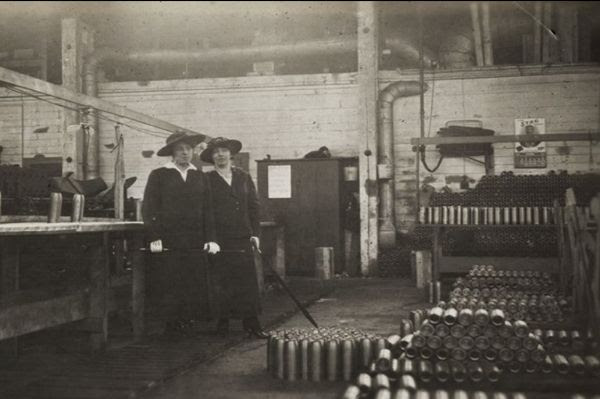
Black and white photo of two women in a munitions factory.

Feminists on the Homefront

Post-war women went to work. They won the vote. Then the movement stalled. Read more

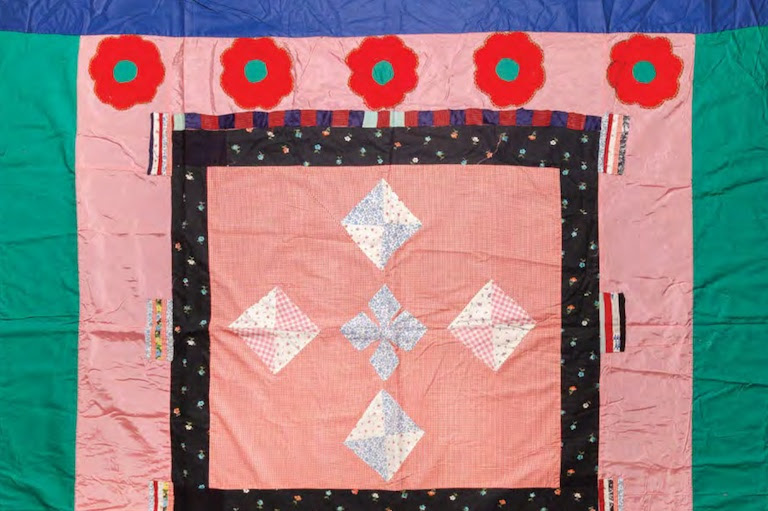
Photo of a quilt from a museum collection.

Quilt

This quilt was handmade for a historian working for the Hudson’s Bay Company. Read more

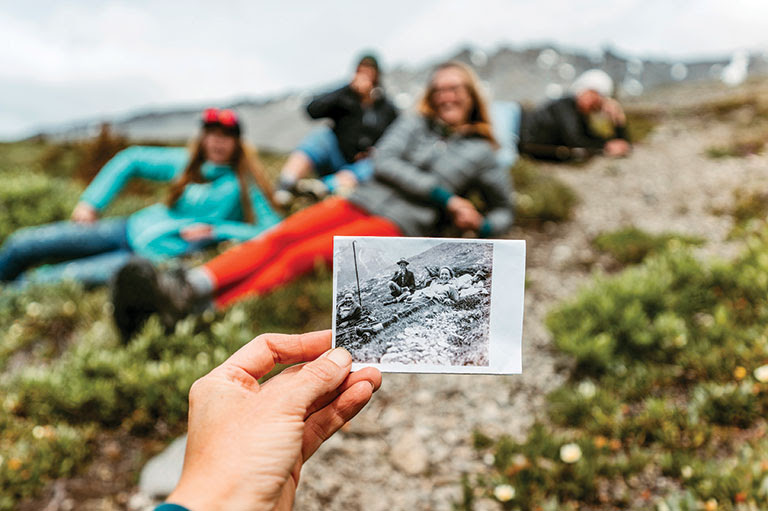
Members of an arts project pose behind a black and white photo of the same location.

Brushes with Climate Change

Rockies Repeat project explores the intersection between conservation, art, history, and culture. Read more

A photo of a pavilion from Expo 67.

Montreal’s Designing Women

In the 1960s, Montreal was a Modern architectural showcase. From Place Ville Marie to Place Bonaventure to Expo 67, the city reverberated with the construction of new and remarkable buildings. Read more

Illustration of a girl playing basketball.

Basketball’s Best

It started with a high school girls’ basketball team in Edmonton, and ended with one of the best winning records ever. Read more

A 1934 advertisement for laundry soap.

Washday: The Weekly Ritual

For generations, society has historically expected women to not only do the laundry — but to do it well. Read more

Subscribe to Kayak for Kids ages 7-12!
Cover of the February-March 2021 issue of Canada's History featuring Banting and Best.

Start your subscription today and get your first issue free!

SUBSCRIBE NOW

Canada’s History Archive featuring The Beaver

Please note: Some items featured in our newsletters and social media will include links to the Canada’s History Archive. The Beaver magazine was founded, and for decades was published, during eras shaped by colonialism. Concepts such as racial, cultural, or gender equality were rarely, if ever, considered by the magazine or its contributors. In earlier issues, readers will find comments and terms now considered to be derogatory. Canada’s History Society cautions readers to explore the archive using historical thinking concepts — not only analyzing the content but asking questions of who shaped the content and why.
Did you get this newsletter from a friend? Sign up for your own and you’ll be eligible to win a FREE book!
We have five uniquely curated newsletters, including ones for teachers and in French. Sign Up Now
Share Share
Tweet Tweet
Forward Forward
View this email in your browser

Copyright © 2021 Canada’s History, all rights reserved.
You are receiving this email as a member or friend of Canada’s History. / Vous recevez ce courriel parce que vous êtes membre ou parce que vous appartenez à la communauté d’esprit de la Société Histoire Canada.

Our mailing address is:

Canada’s History

Main Floor Bryce Hall, 515 Portage Avenue

Winnipeg, MB R3B 2E9

Canada

Insightful Biography | HBC’s Workforce | Military in Newfoundland | Reconciling the Indian Act

Note the item below related to Royal Newfoundland Companies in this month’s mailing about Canada’s History magazine.


“Where is human nature so weak as in the bookstore?” — Henry Ward Beecher
View this email in your browser
Canada's History Reading Den

Riel in context

In the February-March 2020 issue of Canada’s History magazine, Jean Teillet, an Indigenous-rights lawyer and the great-grandniece of Louis Riel, writes about a book she calls “the most insightful biography of Louis Riel to date.”

Teillet says that in The Audacity of His Enterprise: Louis Riel and the Métis Nation That Canada Never Was, 1840–1875 Max Hamon offers a new understanding of the Métis leader. In particular, she says, Hamon provides context for Riel’s departure from his program of education and demonstrates the importance of his “extensive networking, particularly during the critical period of 1872–74.”

In the same issue, former Canadian Historical Association president Lyle Dick reviews The Rise and Fall of United Grain Growers: Cooperatives, Market Regulation, and Free Enterprise, by Paul D. Earl. “Earl traces the history of the Winnipeg-based cooperative grain marketing company from its origins in 1906 to its fall in a corporate takeover a hundred years later,” Dick writes.

Toronto teacher, writer, and editor Bill Moreau reviews Master and Servants: The Hudson’s Bay Company and Its North American Workforce, 1668–1786, by Scott P. Stephen. Moreau says Stephen argues that “HBC posts were really an extension of early modern Britain … and are best understood as microcosms of that strictly hierarchical society.”

Meanwhile, Governor General’s History Award-winning teacher Connie Wyatt Anderson considers two books about the meanings and impacts of the Indian Act for Indigenous peoples in Canada: 21 Things You May Not Know about the Indian Act: Helping Canadians Make Reconciliation with Indigenous Peoples a Reality, by Bob Joseph, and Talking Back to the Indian Act: Critical Readings in Settler Colonial Histories, by Mary-Ellen Kelm and Keith D. Smith.

Wyatt Anderson says “the first step towards reconciliation is dispelling errors by filling the gaps in our knowledge that have been left by our history education” — and she finds that both books contribute to this objective. “Joseph approaches the task using a conversational tone, highlighting twenty-one restrictions imposed at some point by the Indian Act in its 144 years of existence, while Kelm and Smith provide a critical-thinking framework to analyze a collection of historical extracts pulled from or related to the Indian Act.”

Also in this issue, we look at books about the Sierra Club in British Columbia, African-Nova Scotian writer and activist Rose Fortune, a nineteenth-century murder in rural Canada, and New Brunswick’s wealthy Irving family.

As always, our book reviews can be found both in Canada’s History magazine and on our website.

Military impact

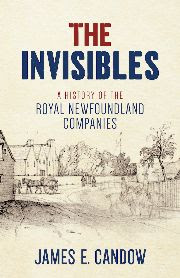
Recipients of the Reading Den are automatically entered to win one of three copies of The Invisibles: A History of the Royal Newfoundland Companies, by James E. Candow, courtesy of Breakwater Books. Candow looks at the role played by the British military in the nineteenth century as residents of the Newfoundland colony sought to control their own fate.

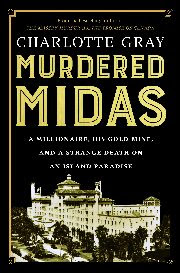
Cover of Murdered Midas by Charlotte Gray
Top 10 Bestsellers

  1. Murdered Midas: A Millionaire, His Gold Mine, and a Strange Death
  2. Strangers in the House: A Prairie Story
  3. The Audacity of His Enterprise: Louis Riel
  4. Boom & Bust: Women of Telegraph Cove
  5. War: How Conflict Shaped Us
  6. The Company: The Rise and Fall of the Hudson’s Bay Empire
  7. Ridgerunner (historical fiction)
  8. The Forgotten Daughter: A Novel
  9. The Missing Millionaire
  10. First Century of the International Joint Commission
Cover of the February-March 2021 issue featuring Banting and Best.
Start your subscription today and get your
first issue free!
Subscribe Now
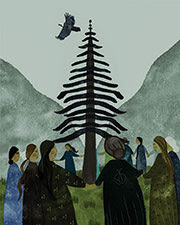
Illustration of people holding hands standing around a tree.
Jonrahdesgó:wah

In our latest issue of Kayak, author-illustrator Sara General tells the story of how a boy brought peace to nations. Read the story

Illustration of a limber pine by Megan Wiebe.
What the old tree has seen

In this fictional Kayak story, an ancient pine remembers. The story is based on one of the oldest trees in Canada, estimated to be over 3,000 years old. Read the story

Canada’s History Archive featuring The Beaver

Please note: Some items featured in our newsletters and social media will include links to the Canada’s History Archive. The Beaver magazine was founded, and for decades was published, during eras shaped by colonialism. Concepts such as racial, cultural, or gender equality were rarely, if ever, considered by the magazine or its contributors. In earlier issues, readers will find comments and terms now considered to be derogatory. Canada’s History Society cautions readers to explore the archive using historical thinking concepts — not only analyzing the content but asking questions of who shaped the content and why.
Did you get this newsletter from a friend? Sign up for your own and you’ll be eligible to win a FREE book!
We have five uniquely curated newsletters, including ones for teachers and in French. Sign Up Now
Share Share
Tweet Tweet
Forward Forward
View this email in your browser

Copyright © 2021 Canada’s History, all rights reserved.
You are receiving this email as a member or friend of Canada’s History. / Vous recevez ce courriel parce que vous êtes membre ou parce que vous appartenez à la communauté d’esprit de la Société Histoire Canada.

Our mailing address is:

Canada’s History

Main Floor Bryce Hall, 515 Portage Avenue

Winnipeg, MB R3B 2E9

Canada