Monthly Archives: November 2018

Remembrance Day Ceremony 2018

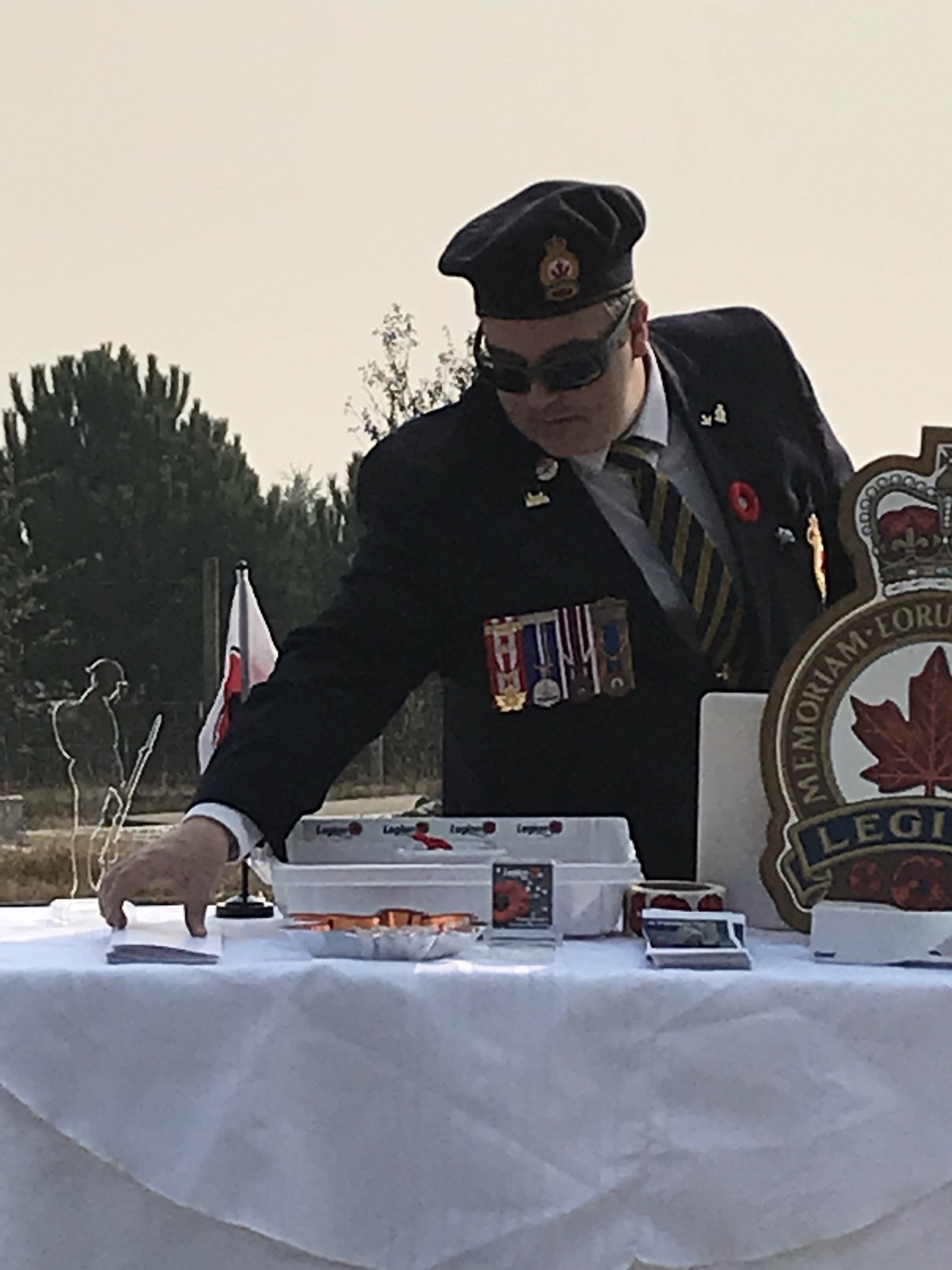
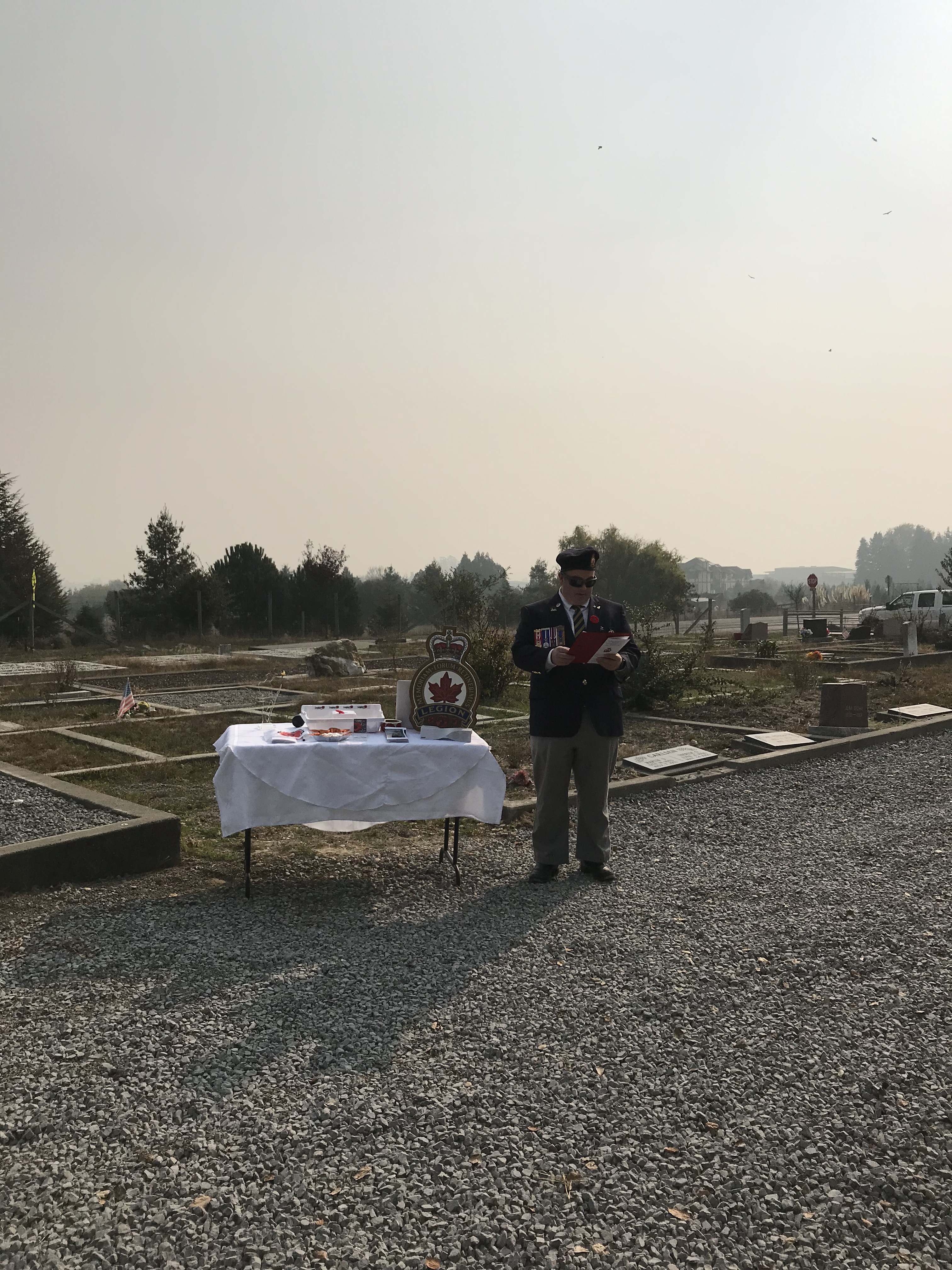
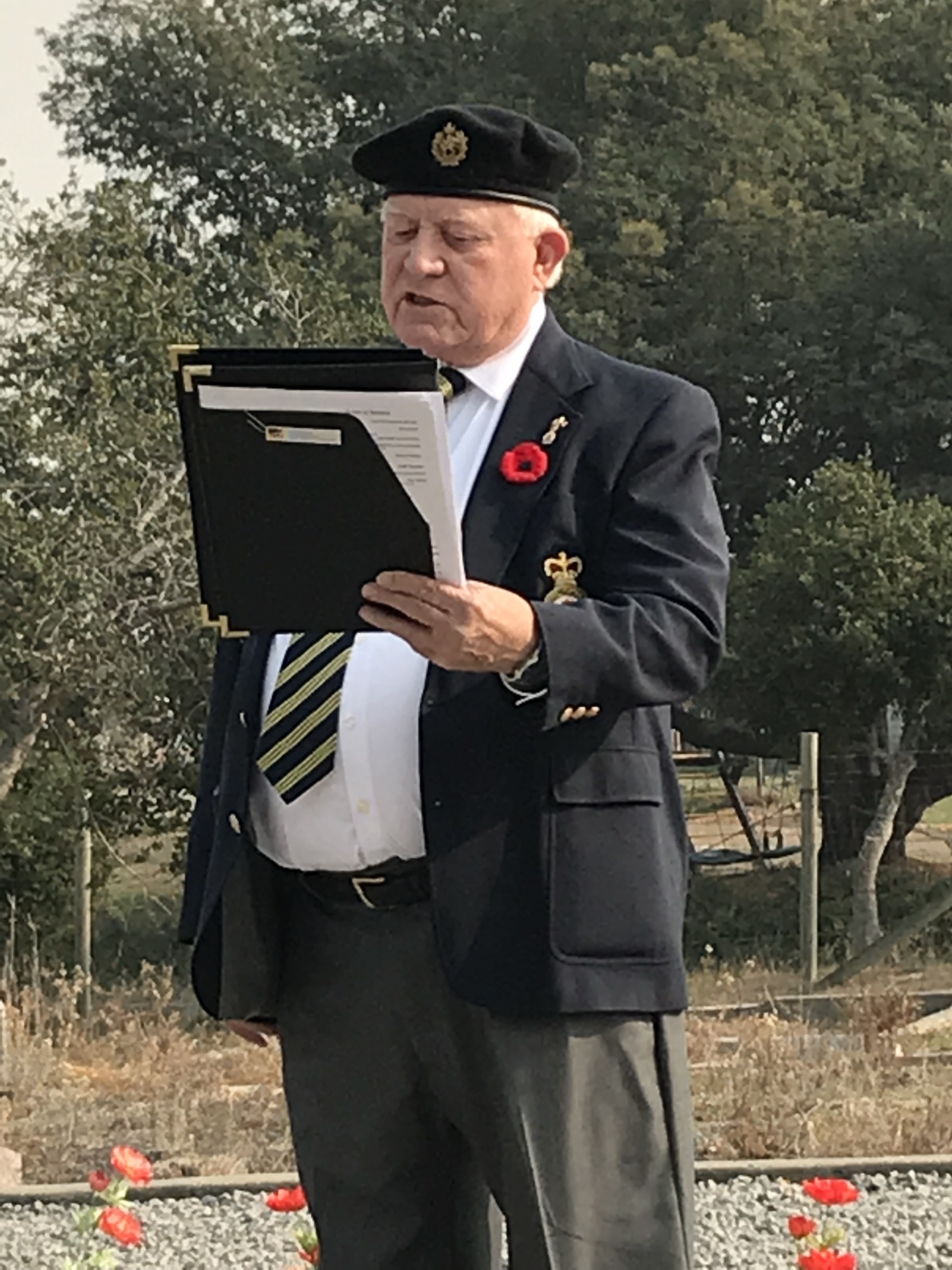
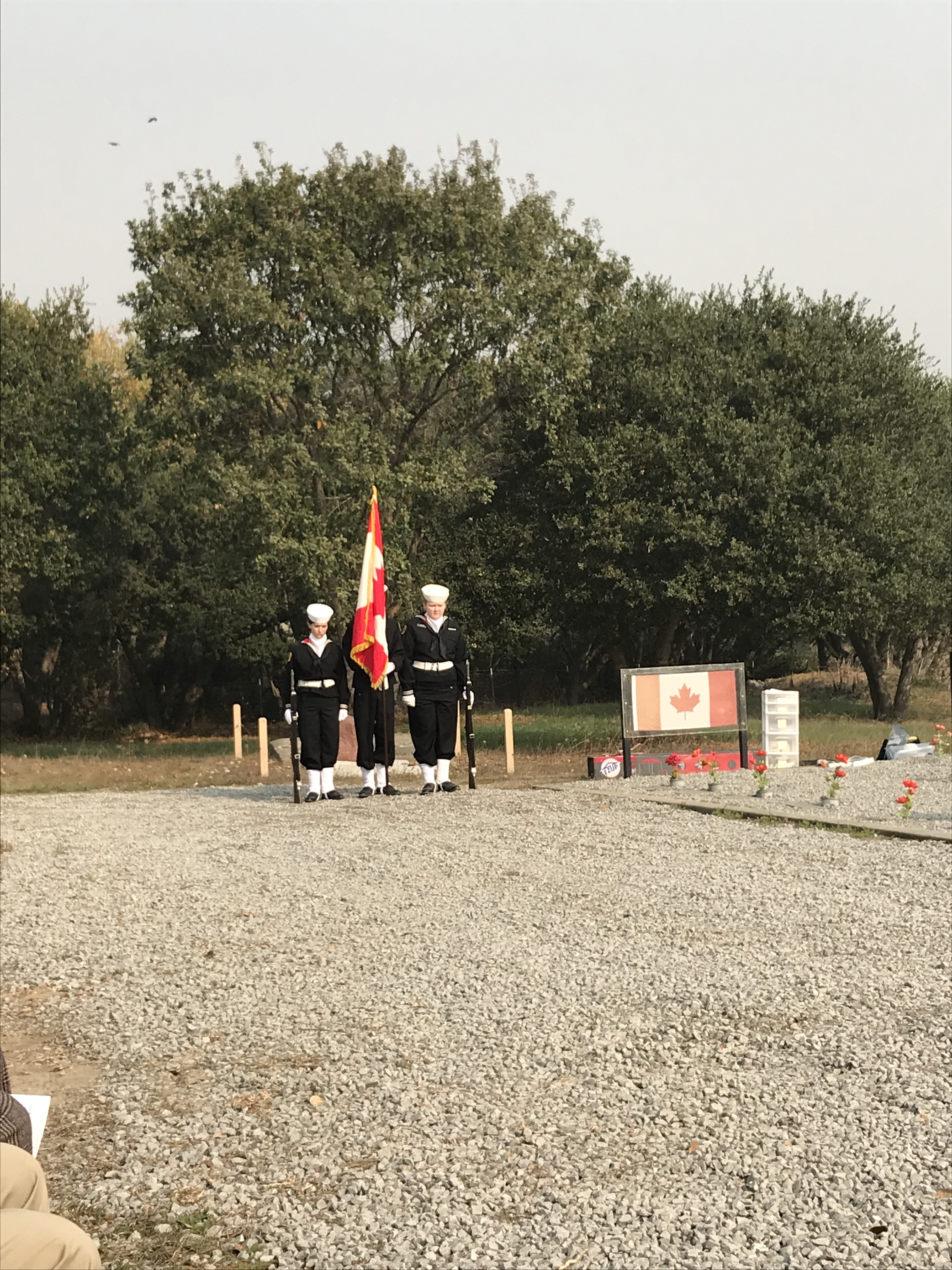
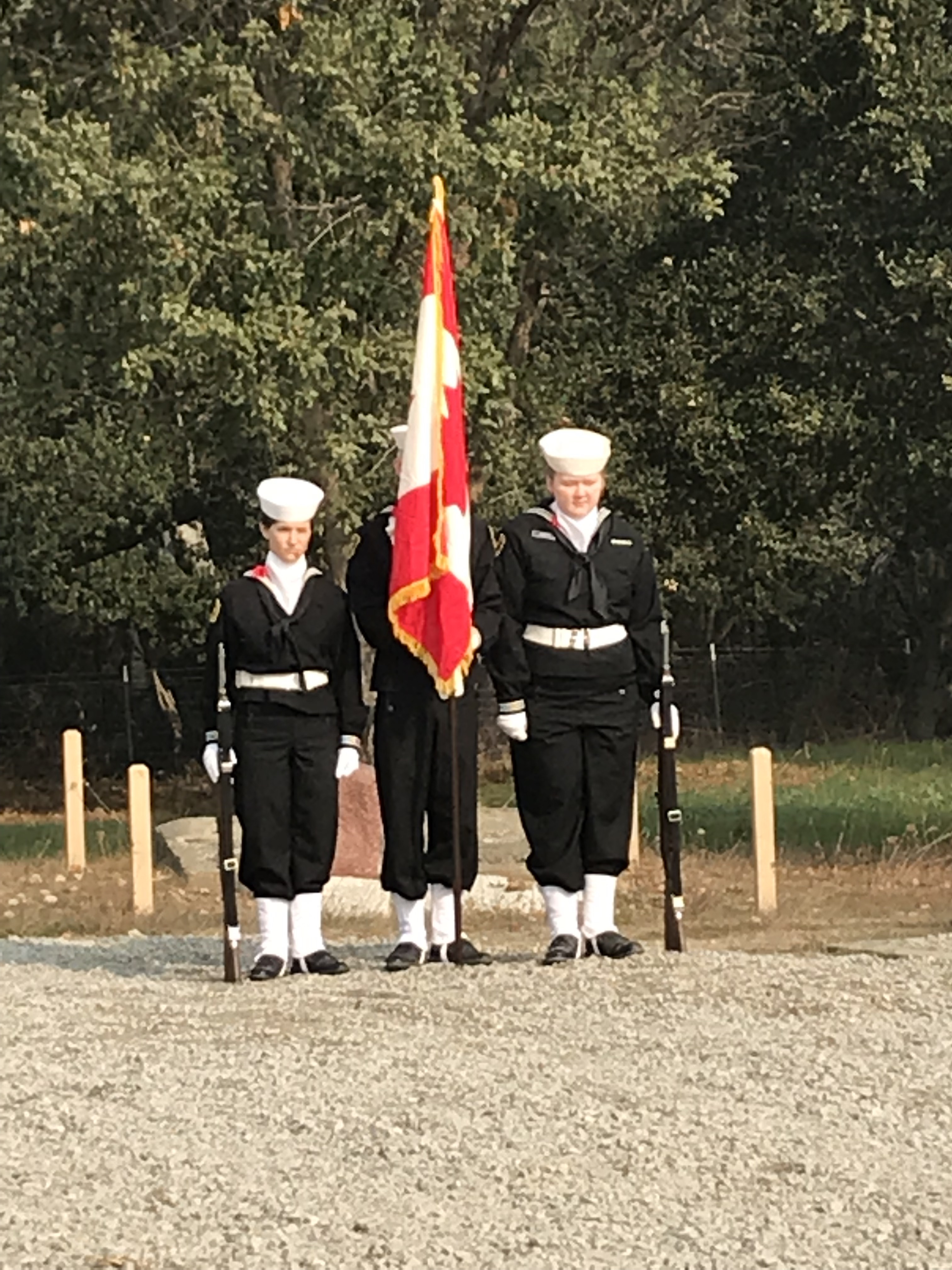
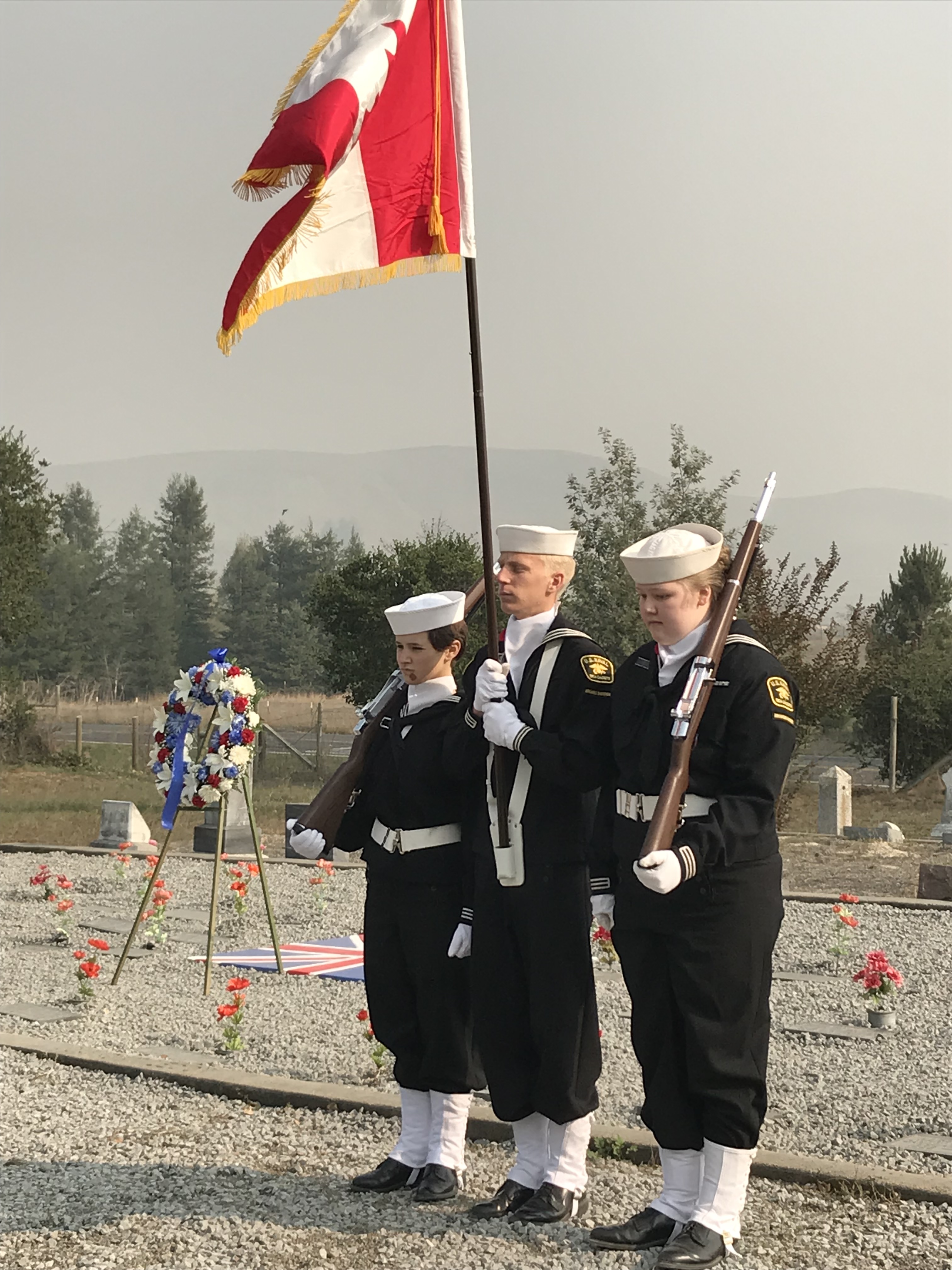
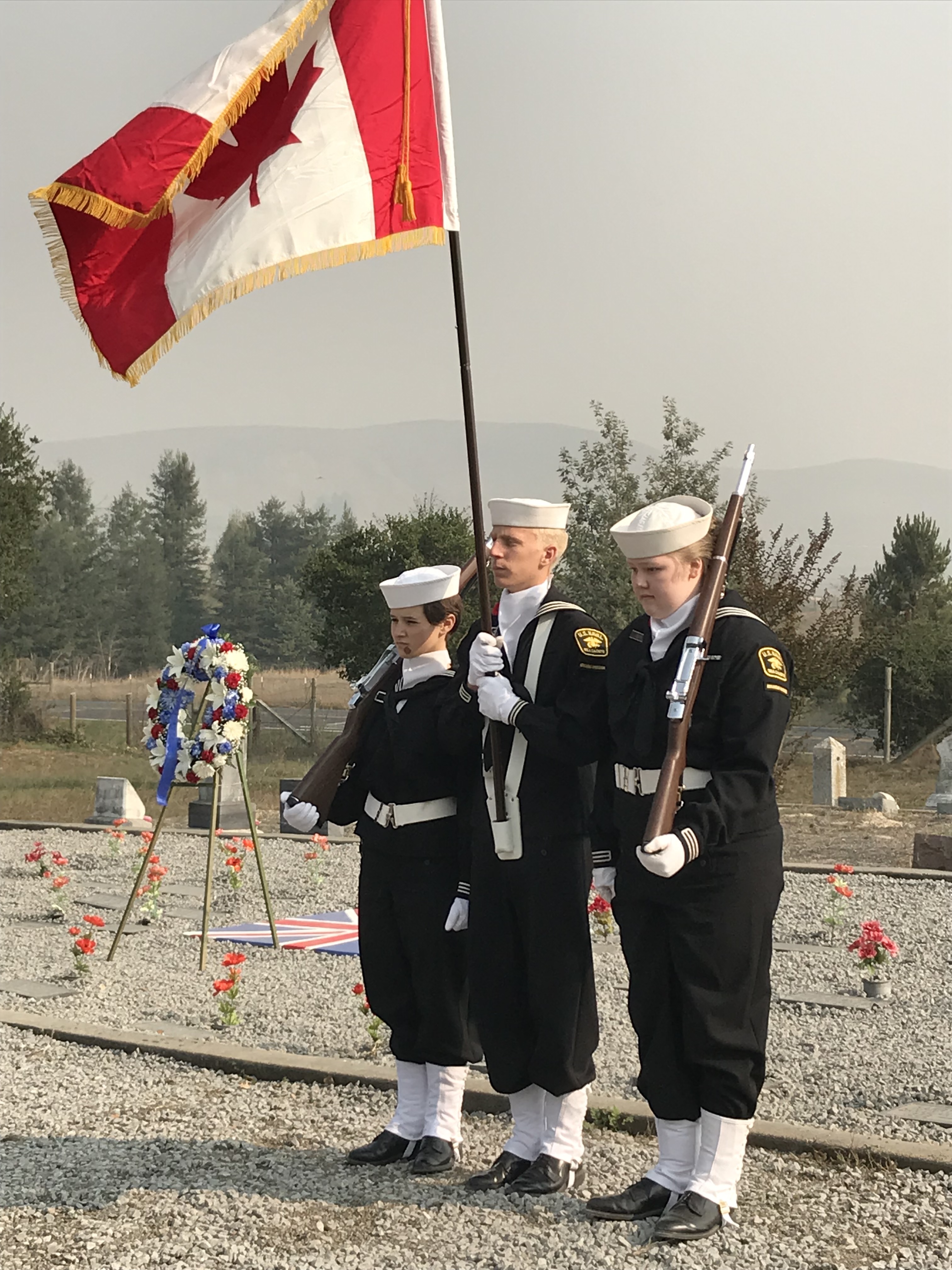
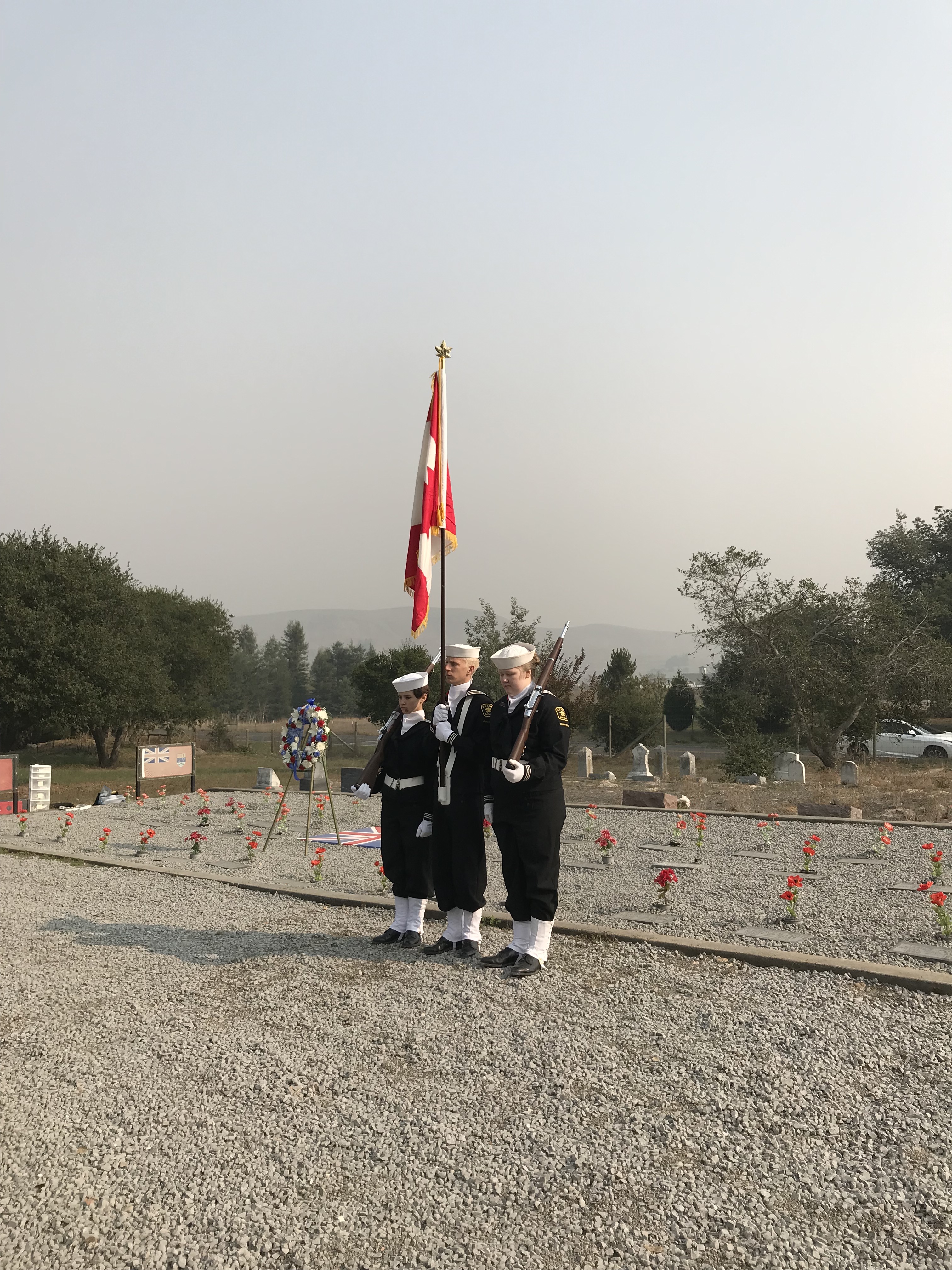
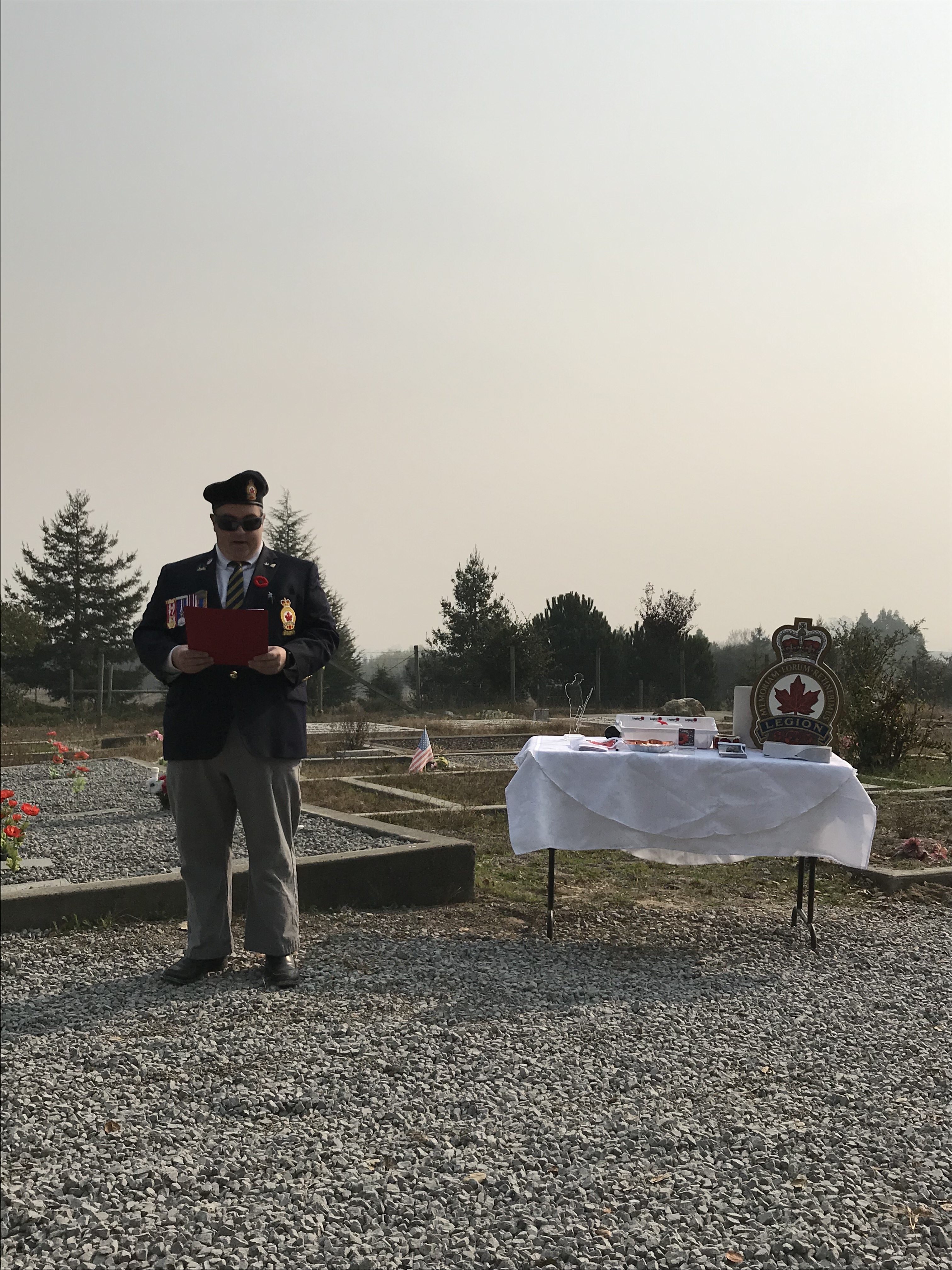
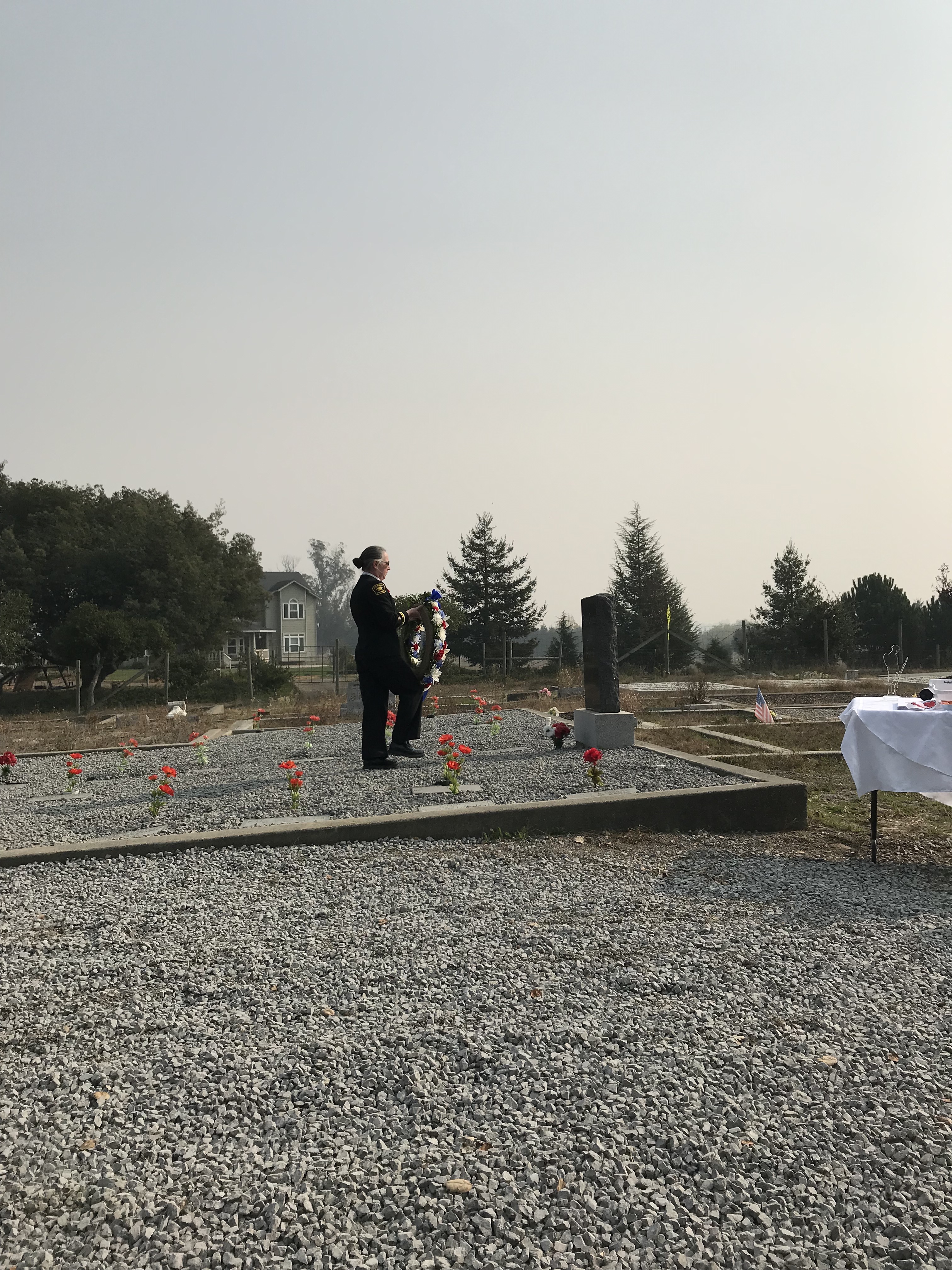
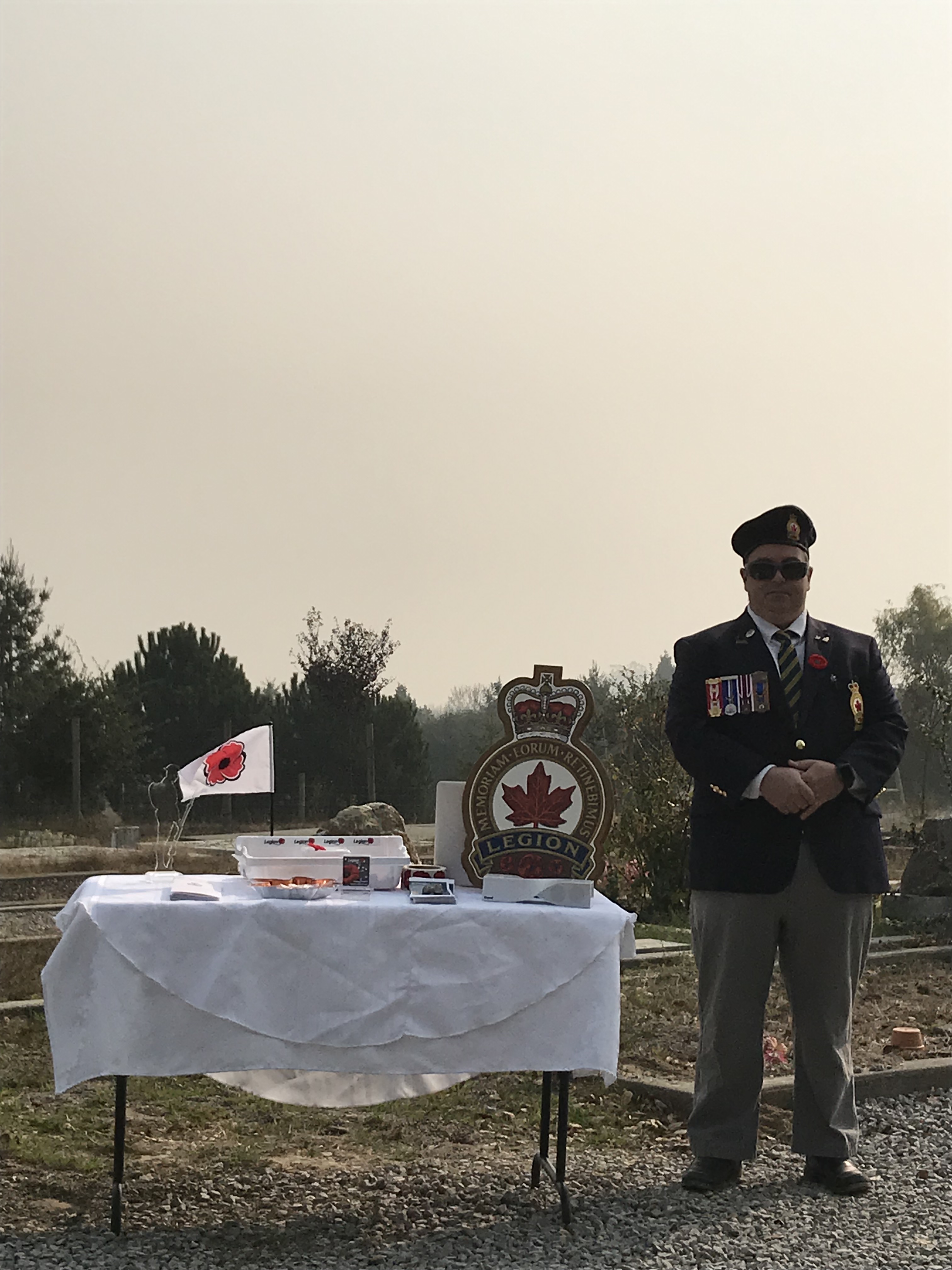
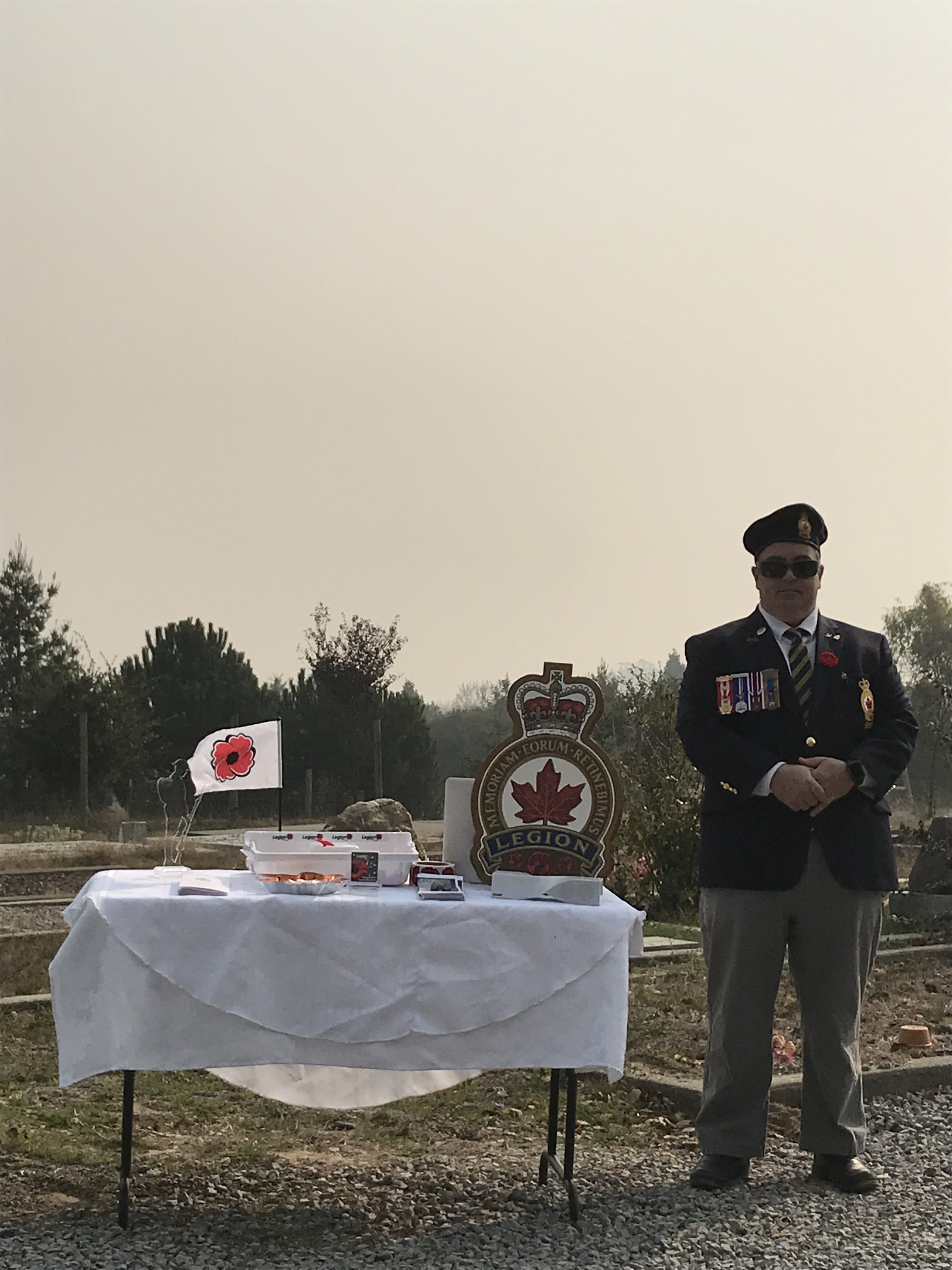
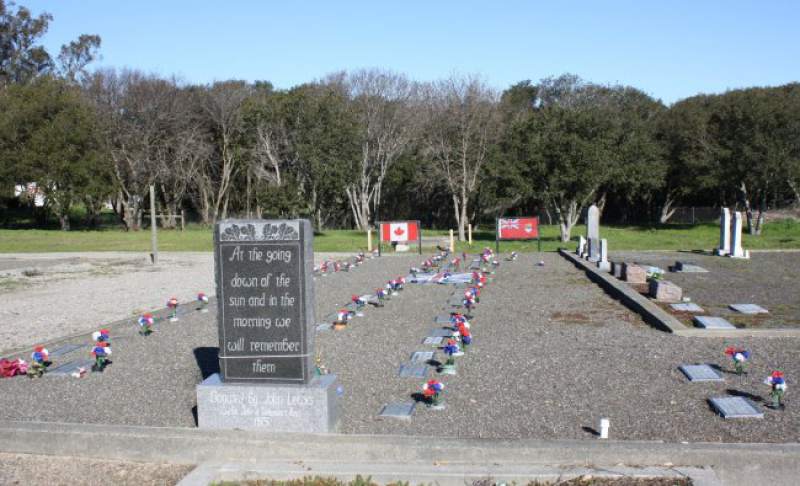
Each year the Royal Canadian Legion US Zone, Branch #25 representing the San Francisco Bay area, observes Remembrance Day at Liberty Cemetery in Petaluma, CA. The 2017 ceremony began around 10:30am and lasted approximately 30 minutes.  As always, our U.S. Naval Sea Cadet Corps (USNSCC) Arkansas Division partners participated (and we thank them for their continued support).


The Royal Canadian Legion
San Francisco Bay Area Branch 25
Remembrance and Veterans Day Service

Liberty Cemetery – Petaluma, California
Saturday, 10 November 2018 – 10:30 am

 Under the direction of Vice President Jack Kincaid

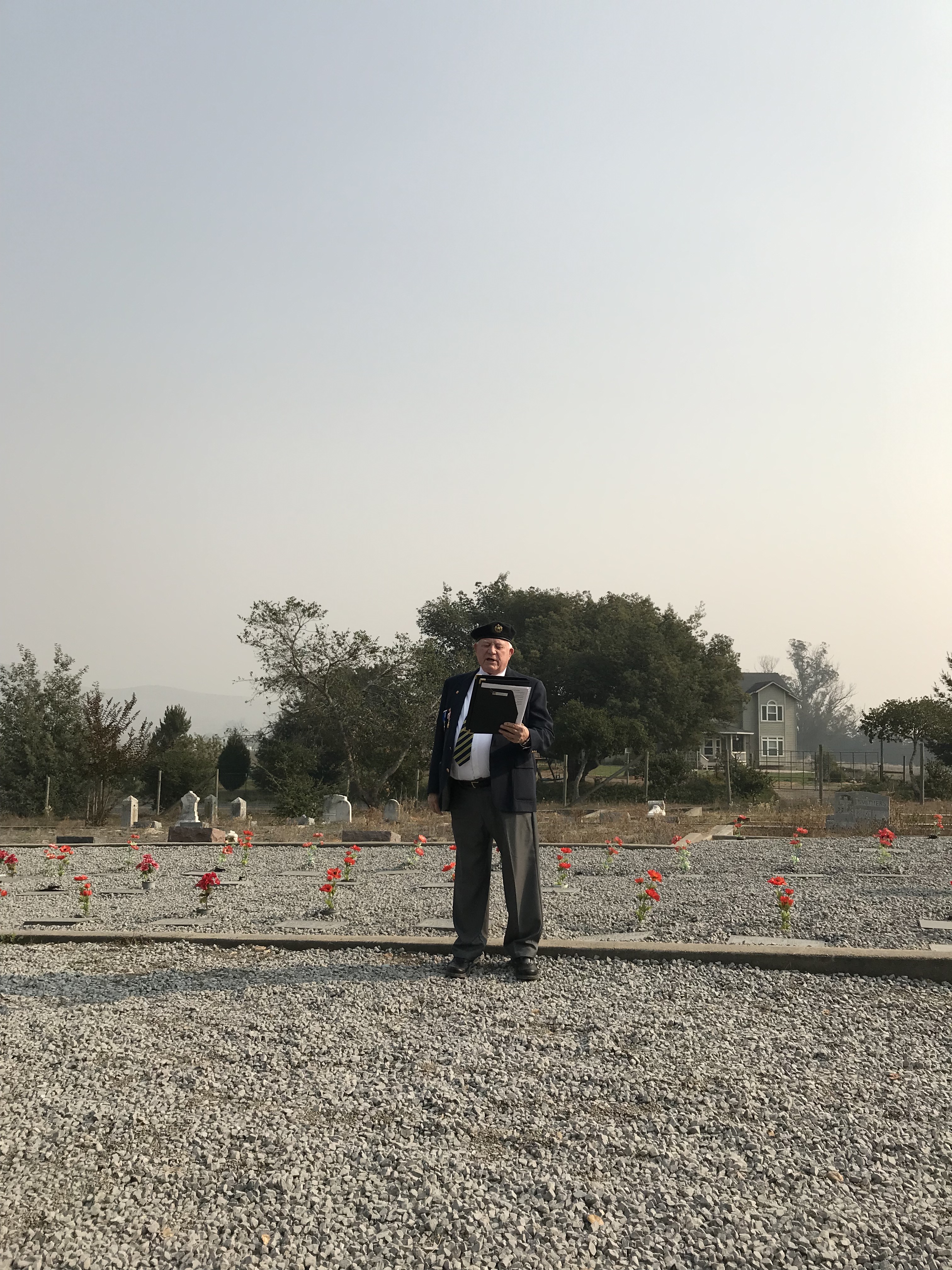
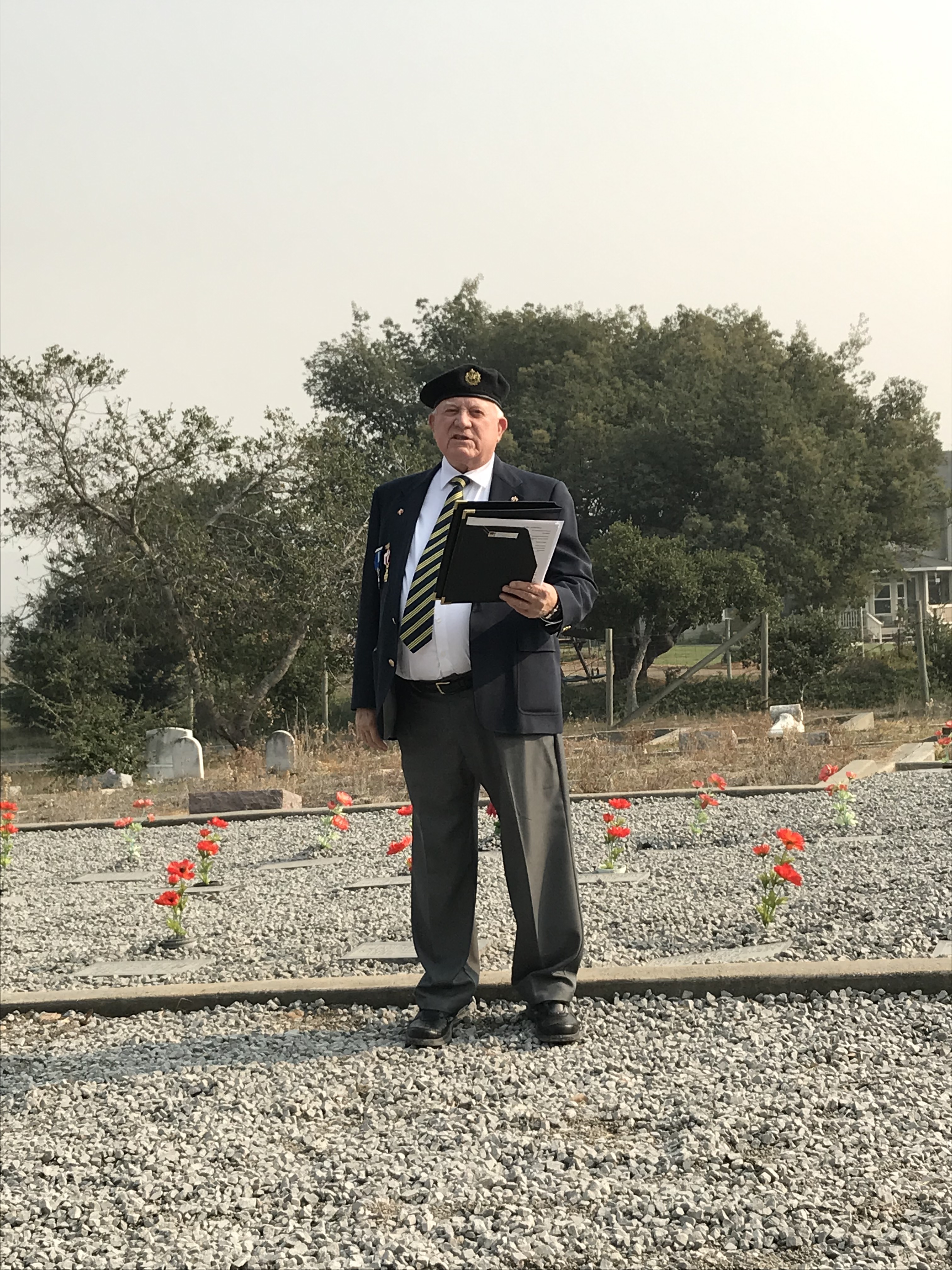
Every year, Comrade Hugh Campion and his wife Pearl tidy the area and place the poppies at each marker, which are a tribute to those buried here at Liberty Cemetery. Their dedication to the care of this sacred site is an act of true remembrance.

This year we also wish to thank the US Naval Sea Cadet Corps – Arkansas Division for their hard work in renovating the cemetery this year.

Please stay for a group photo at the conclusion.

 Branch Members are encouraged to gather for a no-host lunch at the site of their choosing.

 Restrooms courtesy of Liberty Elementary School adjacent to the Cemetery.

Please remember that the Festival of Remembrance will be at Grace Cathedral on Sunday, 11 November. Please arrive by 2:30pm.

Order of Service

Welcome                                                                                                      Vice President Jack Kincaid
Colors Are Posted                                                                                                                  Sea Cadets

All Rise.

“National Anthems”
Opening Prayer                                                                          Michael Barbour, Acting Chaplain

All may be seated.

Prime Minister’s Remembrance Day Message                                                      Siefken Krieger
“In Flanders Fields”                                                                                                       Hugh Campion
“In Flanders Fields – An Answer”                                                                            Sea Cadet Reader
Placing of the Wreath                                                                                                        Sea Cadets

The parade salutes and Color Guard Present Arms.

“Last Post”
A Two-Minute Silence is Observed
“Lament”
“Reveille”

Act of Remembrance
“They shall grow not old, as we who are left grow old. Age shall not weary them, nor the years condemn. At the going down of the sun and in the morning, we will remember them.”
Response from all: “We will Remember Them.”
Bells of Peace                                                                                                                          Sea Cadets
Close & Response                                                                       Michael Barbour, Acting Chaplain
“Today we remember and pay our respects to those comrades whose death we mourn, but whose spirit still lives. May we strive to promote unity and the spirit of comradeship, never forgetting the solemn obligation we have assumed as members of the Royal Canadian Legion and remembering them. May we ever pray; “Lord God of Hosts be with us yet – Lest We Forget“.
Response from all: “Lest We Forget.”

End of Service 11-11-11


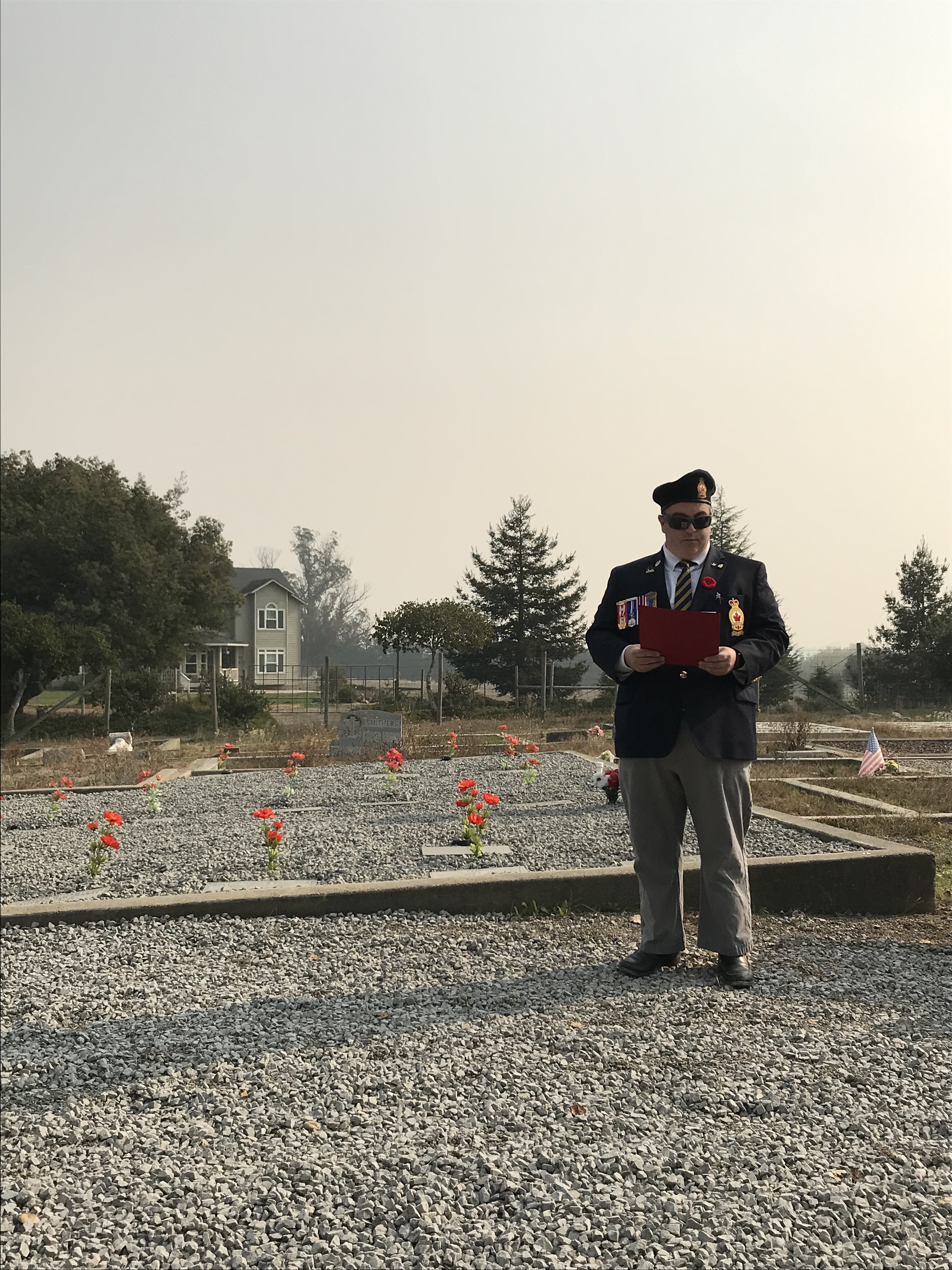
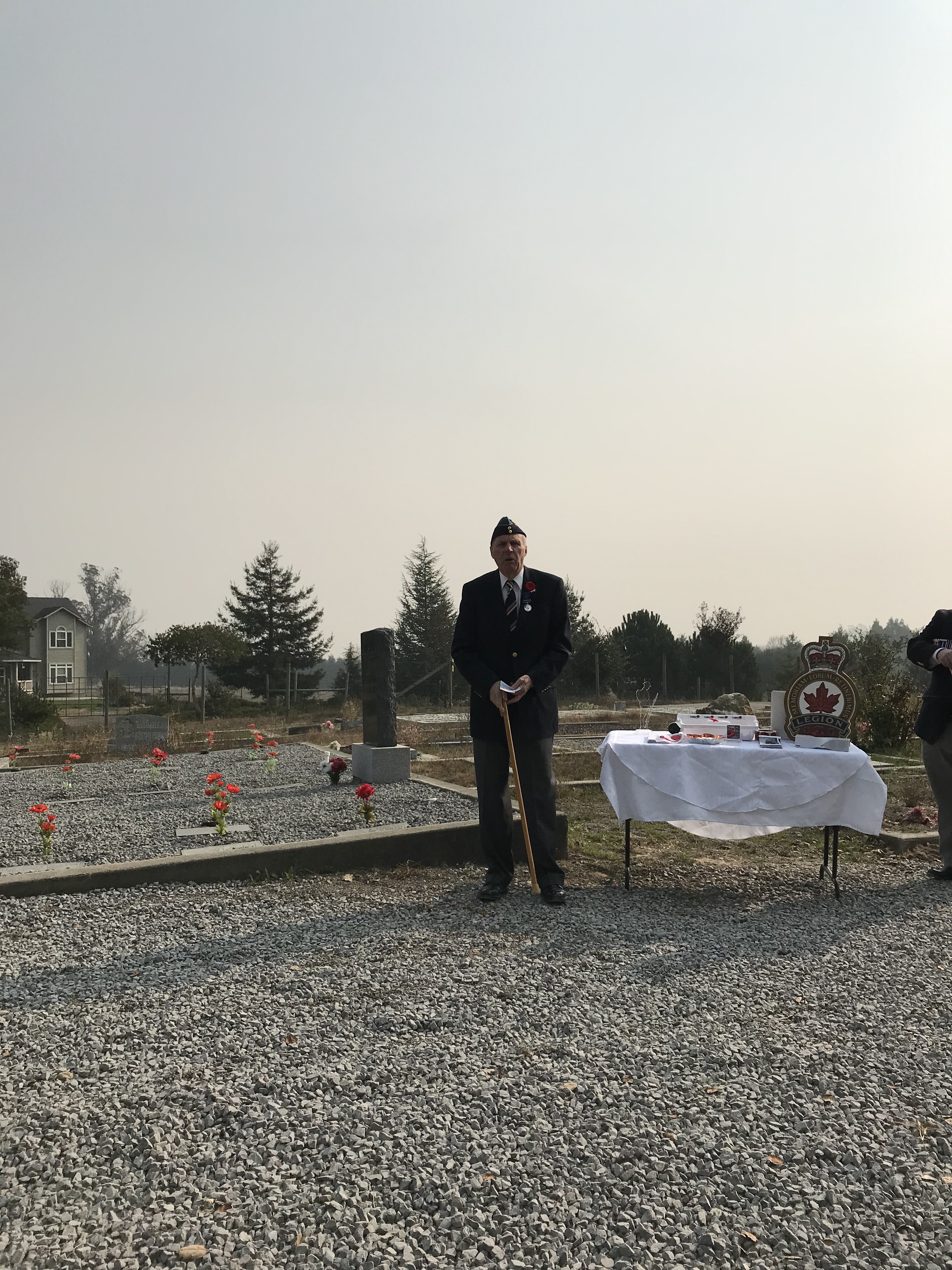
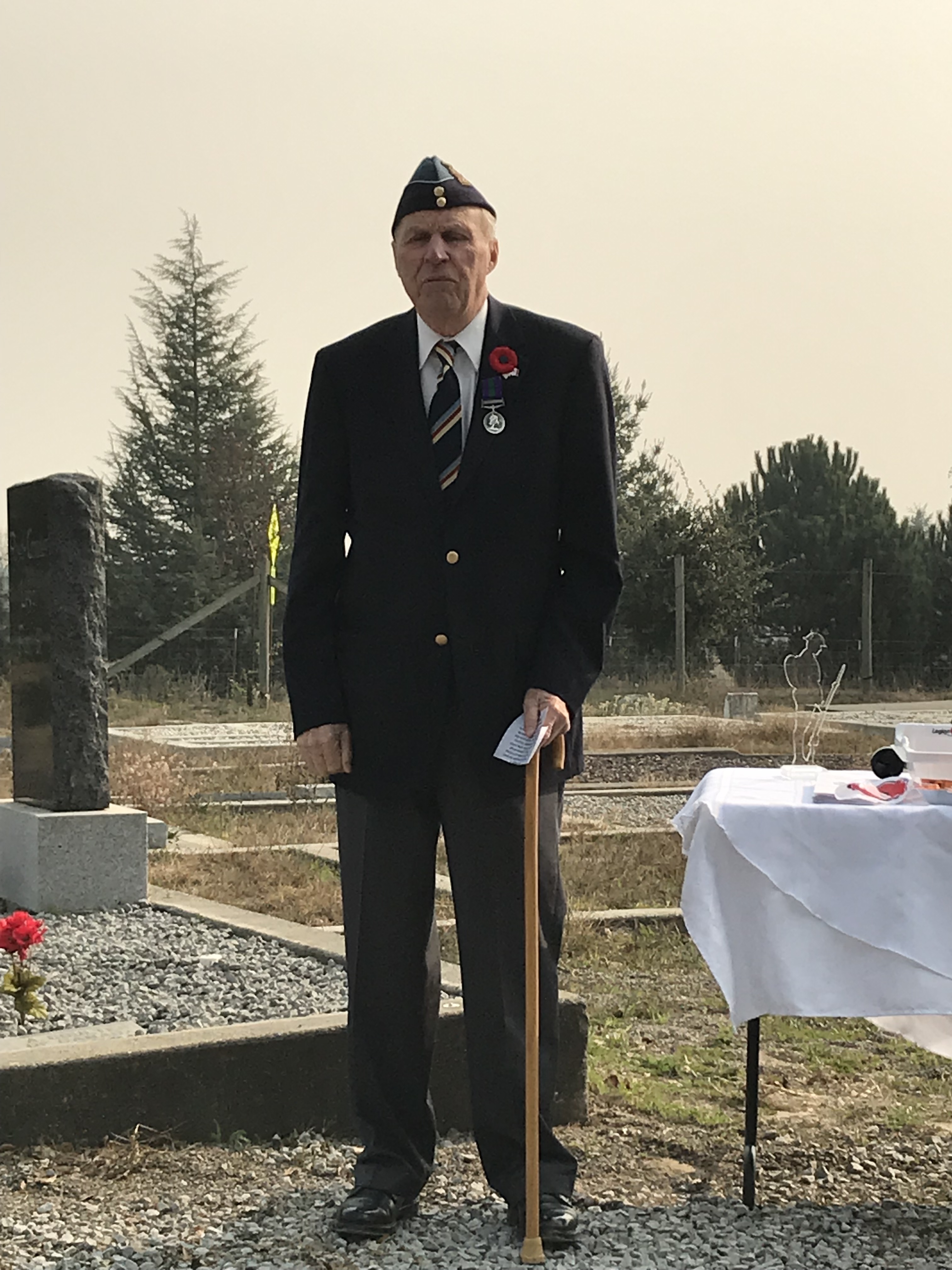
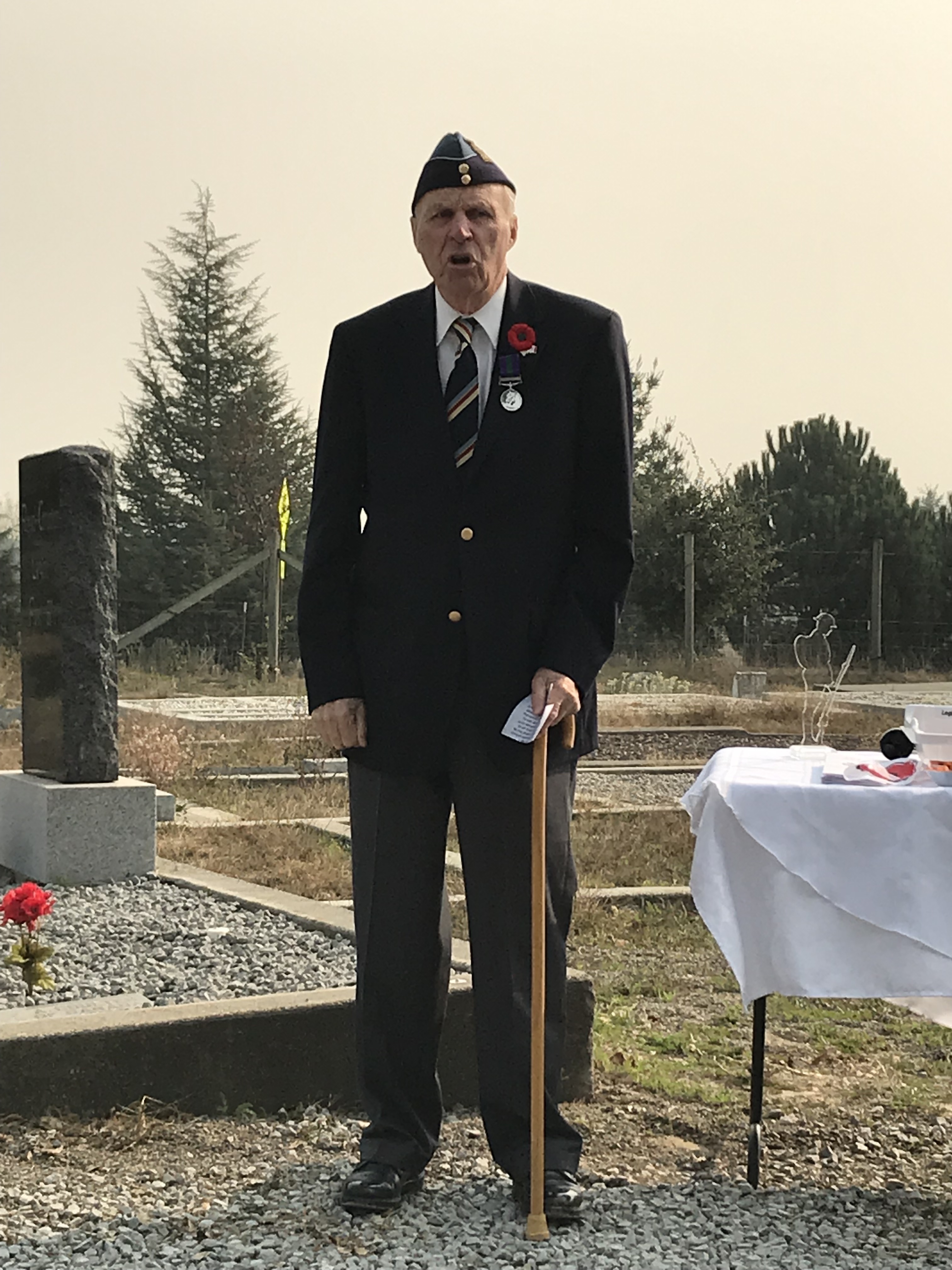
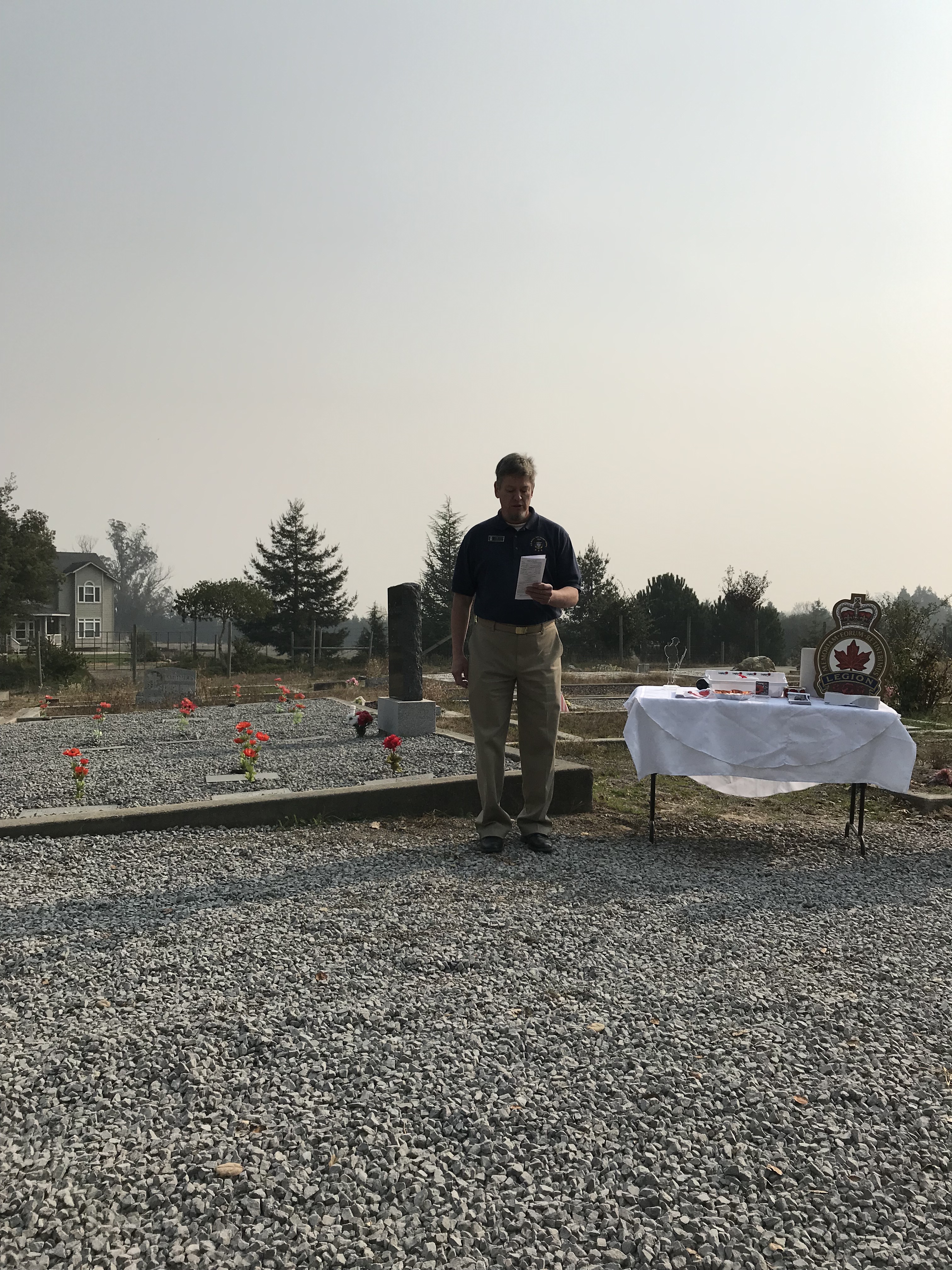
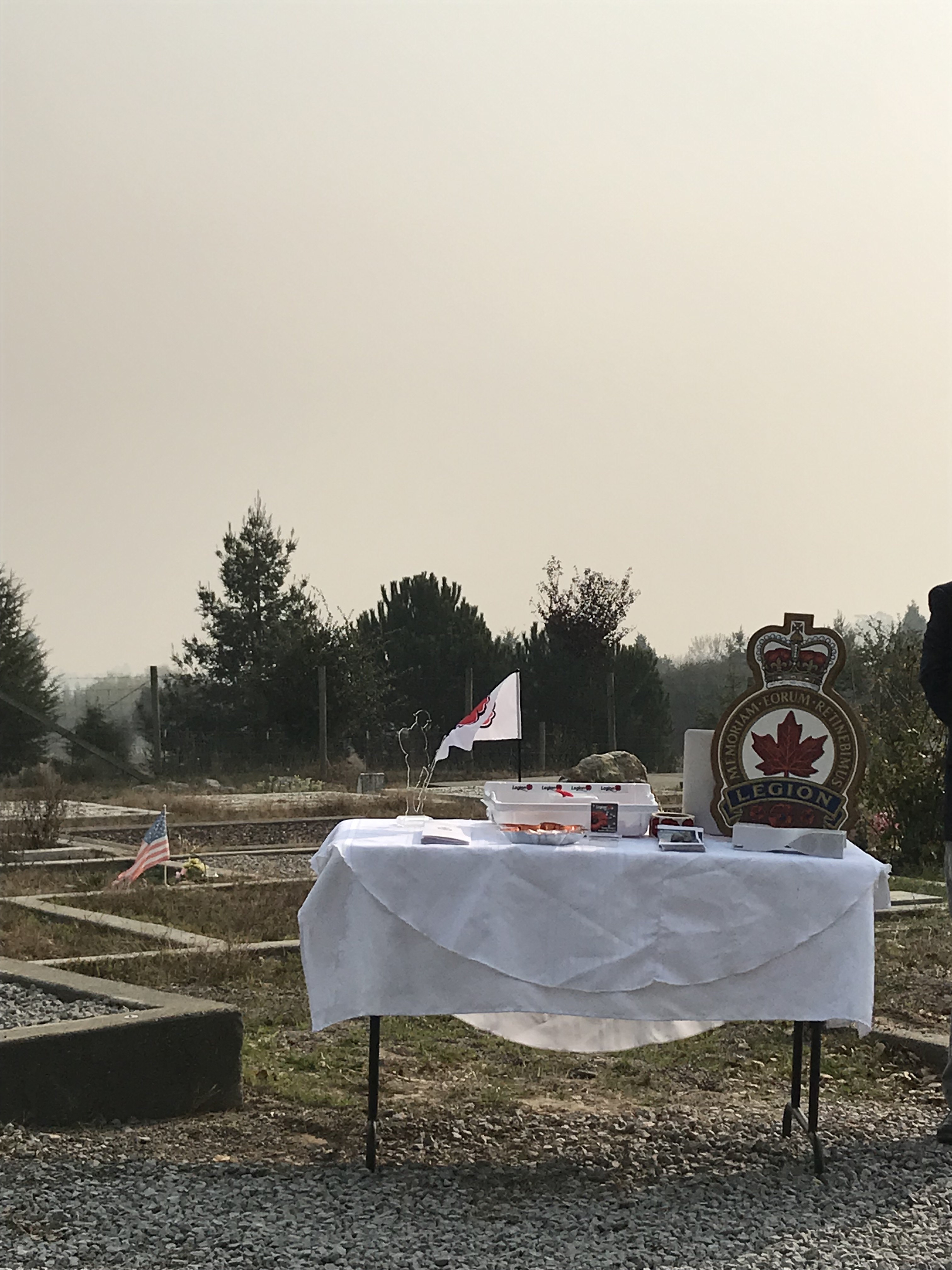
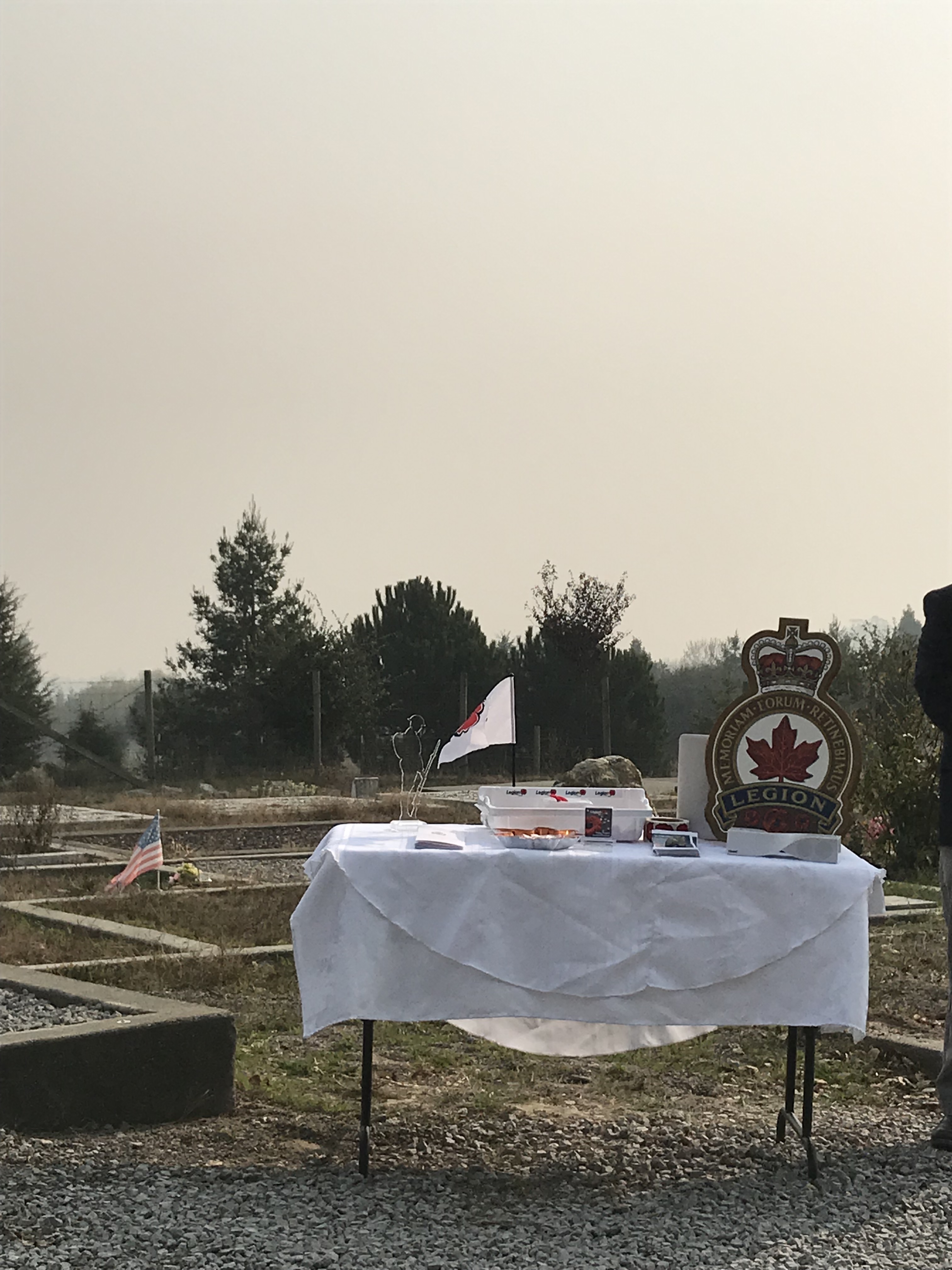
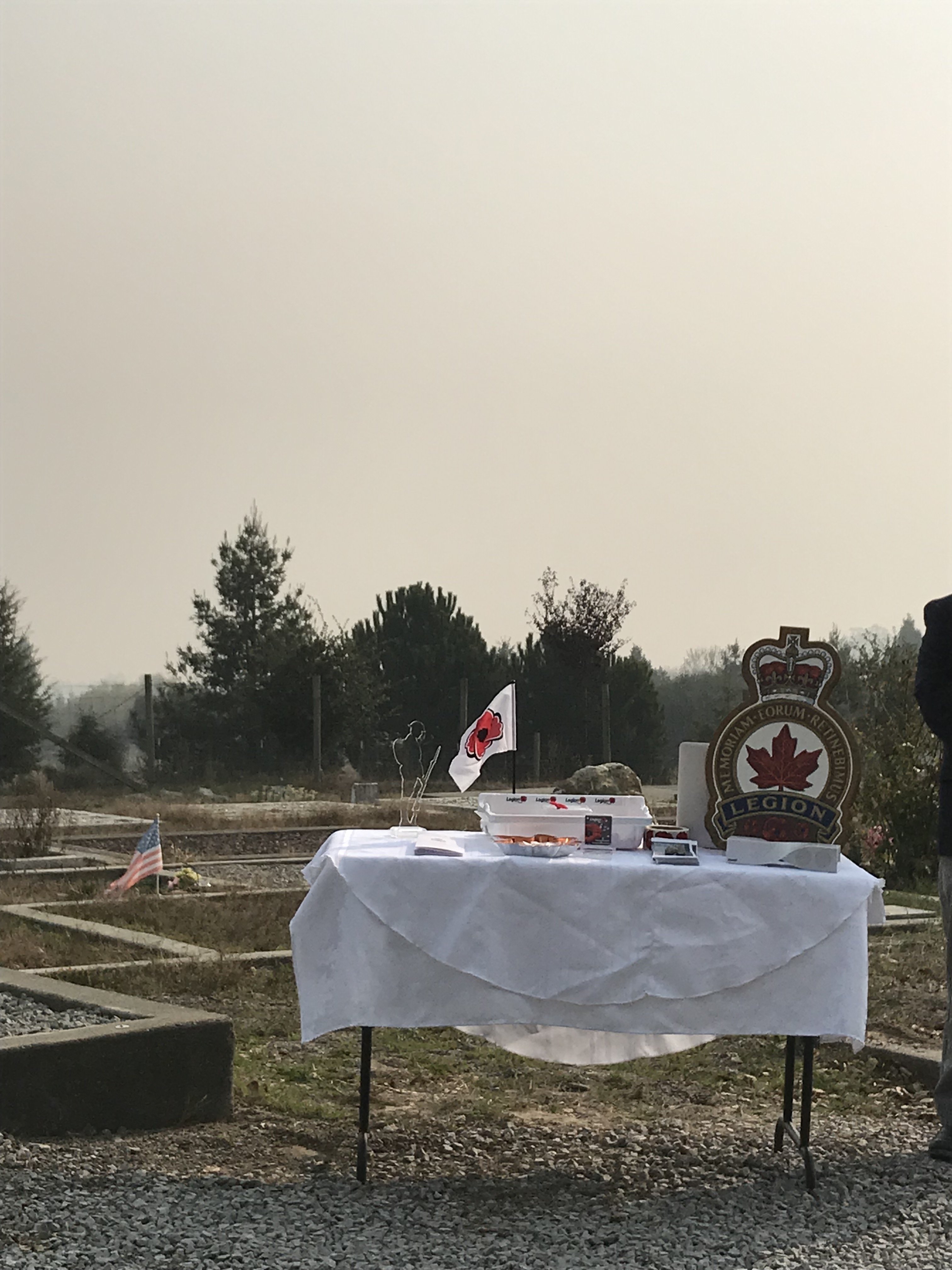
Below are some pictures from the event.
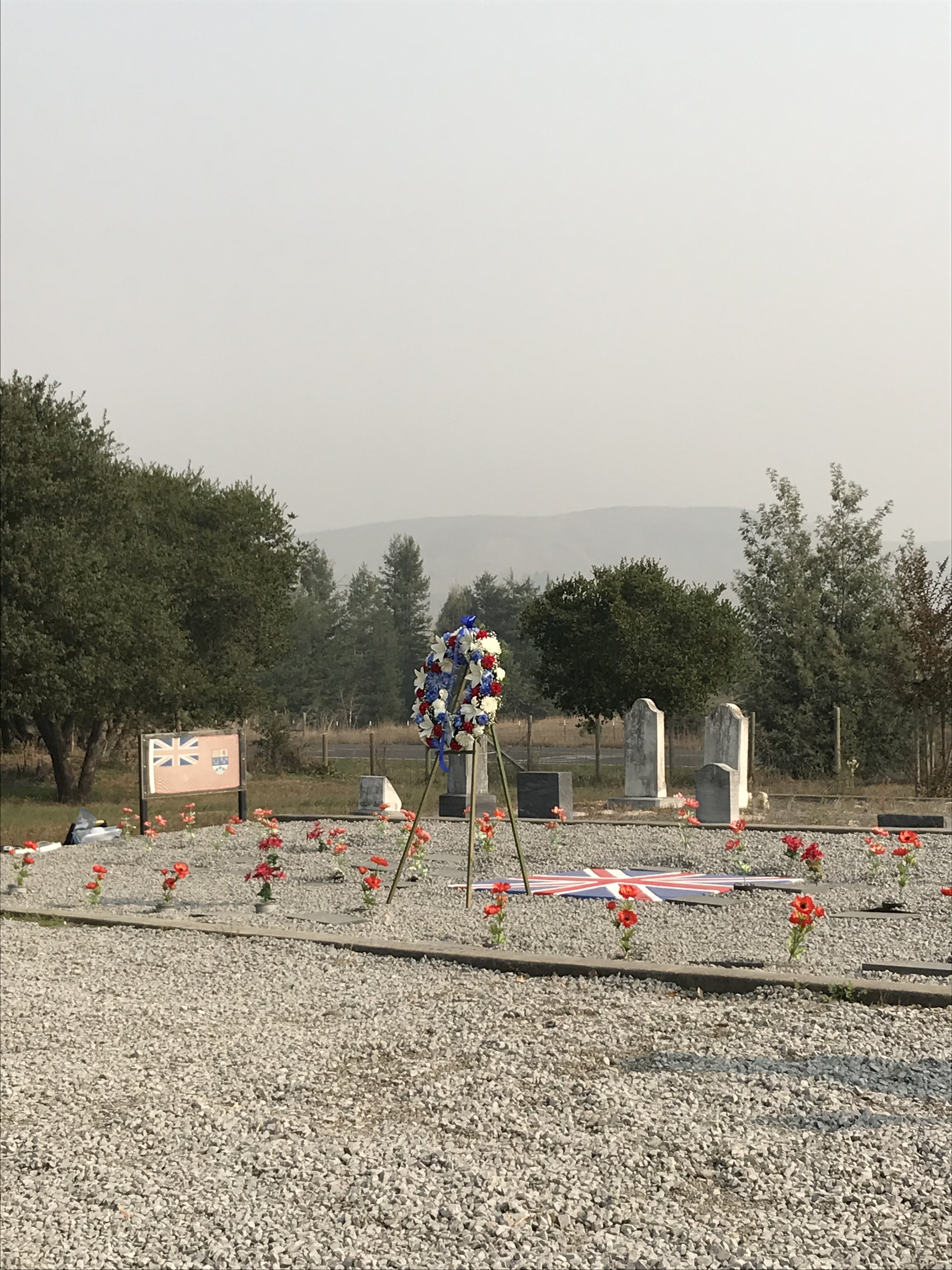
   

Please note that we neglected to take the group photo this year.

CAN Announcements

From one of our fellow Canadian organizations in the Bay Area.


Canadian Studies Announcements
Next Colloquium Nov 13
Michael Adams, Environics
From award-winning author Michael Adams, Could It Happen Here? draws on groundbreaking new social research to show whether Canadian society is at risk of the populist forces afflicting other parts of the world.
Americans elected Donald Trump. Britons opted to leave the European Union. Far-right, populist politicians channeling anger at out-of-touch “elites” are gaining ground across Europe. In vote after shocking vote, citizens of Western democracies have pushed their anger to the top of their governments’ political agendas. The votes have varied in their particulars, but their unifying feature has been rejection of moderation, incrementalism, and the status quo.
Amid this roiling international scene, Canada appears placid, at least on the surface. As other societies retrench, the international media have taken notice of Canada’s welcome of Syrian refugees, its half-female federal cabinet, and its acceptance of climate science and mixed efforts to limit its emissions. After a year in power, the centrist federal government continues to enjoy majority approval, suggesting an electorate not as bitterly split as the ones to the south or in Europe.
As sceptics point out, however, Brexit and a Trump presidency were unthinkable until they happened. Could it be that Canada is not immune to the same forces of populism, social fracture, and backlash that have afflicted other parts of the world? Our largest and most cosmopolitan city elected Rob Ford. Conservative Party leadership hopeful Kellie Leitch proposes a Canadian values test for immigrants and has called the Trump victory “exciting.” Anti-tax demonstrators in Alberta chanted “lock her up” in reference to Premier Rachel Notley, an elected leader accused of no wrongdoing, only policy positions the protesters disliked.
Pollster and social values researcher Michael Adams takes Canadians into the examining room to see whether we are at risk of coming down with the malaise affecting other Western democracies. Drawing on major social values surveys of Canadians and Americans in 2016—as well as decades of tracking data in both countries—Adams examines our economy, institutions, and demographics to answer the question: could it happen here?
Canadian Studies Colloquium
11:30 AM, Tuesday November 13
223 Moses Hall
Canadian Studies is pleased to be a co-sponsor of the below event
RACE AND THE APPARATUS OF DISPOSABILITY
Thursday, Nov 15, 2018 | 5:30 pm – 7:30 pm
Multicultural Community Center, MLK Student Union Building, UC Berkeley
Location is ADA accessible
Sherene H. Razack, Distinguished Professor and the Penny Kanner Endowed Chair in Gender Studies, UCLA
Disposability, a condition written on the body, is a racial project. Populations that stand in the way of the progress of capital accumulation, are targeted for disposability, and relegated to the realm of “sub-humanity.” Processes of disposability enable white Europeanness to prevail. In this paper, I pursue what race has to do with disposability through an examination of the death in custody of a Roma refugee. I show that states have to arrange for the reduction of bodies to human waste and individuals who are a part of the medical and apparatus of disposability (prison guards, medical doctors, psychologists, coroners, lawyers, judges, legislators, and scholars), perform their part in disposability through a professionally and institutionally sustained belief in the lesser value of racialized populations. We can trace the racial along several routes: who is produced as disposable, the infrastructure of disposability, and notably the medical and legal apparatus required to transform the destruction of bodies into authorized killing. In this presentation, I spend most of my time tracing the destruction of the body of a Roma refugee who died in a detention center. I end with comments about the connections that can be drawn between the processes of disposability for refugees, African Americans, Canadians, and Indigenous peoples who die at the hands of the police. These connections reveal disposability to be a racial and global process orchestrated by states and sustained by professionals (medical, legal, police).
Sherene H. Razack is Distinguished Professor and the Penny Kanner Endowed Chair in Gender Studies, UCLA. Her books include: Dying from Improvement: Inquests and Inquiries into Indigenous Deaths in Custody (2015); At the Limits of Justice: Women of Colour On Terror (2014, ed. with Suvendrini Perera); States of Race (2011, co-editor with Malinda Smith and Sunera Thobani); Casting Out: Race and the Eviction of Muslims From Western Law and Politics (2008); Dark Threats and White Knights: The Somalia Affair, Peacekeeping and the New Imperialism (2004); Looking White People in the Eye (1998).
Co-sponsored by:
Berkeley Interdisciplinary Migration Initiative
Canadian Studies
HIFIS Diversity and Democracy Cluster
HIFIS Diversity and Health Disparities Cluster
Native American Studies
Townsend Center for the Humanities
Multicultural Community Center
WSSA Call for Papers
The Western Social Sciences Association (WSSA) has released the call for papers for their 2019 conference. Limited travel funds may be available from Canadian Studies for Berkeley faculty & students presenting on Canadian topics at WSSA.
Canadian Studies is pleased to share the information about the below event, of interest to the Canadian community in the Bay Area
Grace Cathedral, San Francisco
Remembrance Service
November 11, 2018
3:00 pm
This cherished annual ceremony, in this year of the 100th anniversary of the end of World War I, commemorates those who have lost their lives in armed conflict.
The service includes the deeply moving cascade of thousands of poppy petals onto the altar as Amazing Grace is played on the bagpipes.
Canadian Studies Program
213 Moses Hall #2308 WEBSITE | EMAIL

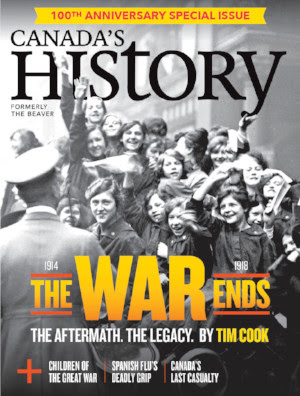
We Remember: 100th Anniversary of the End of the Great War

From Canada’s History magazine.


#LestWeForget
View this email in your browser
Get a FREE issue of Canada's History - subscribe now!
Canada's History

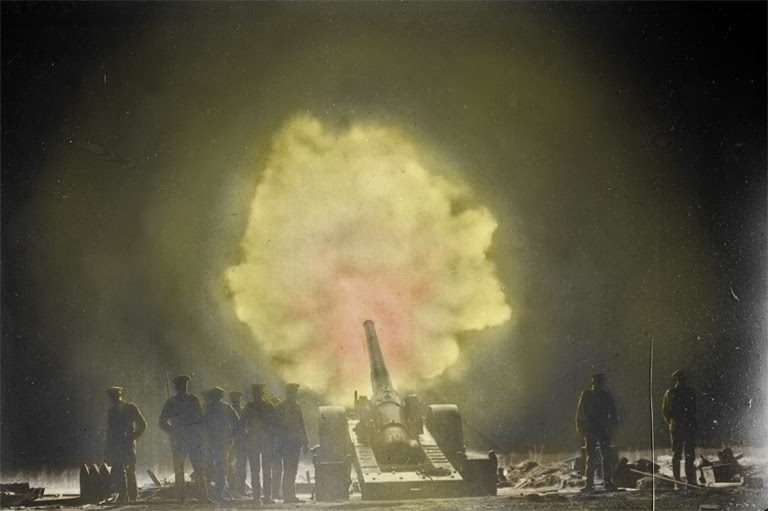
The Great War Video Series

November 11, 2018, marks the hundredth anniversary of the end of the First World War. Here are just a few key Canadian battles along the road to armistice in 1918.
Watch now

Keep Their Memory Alive

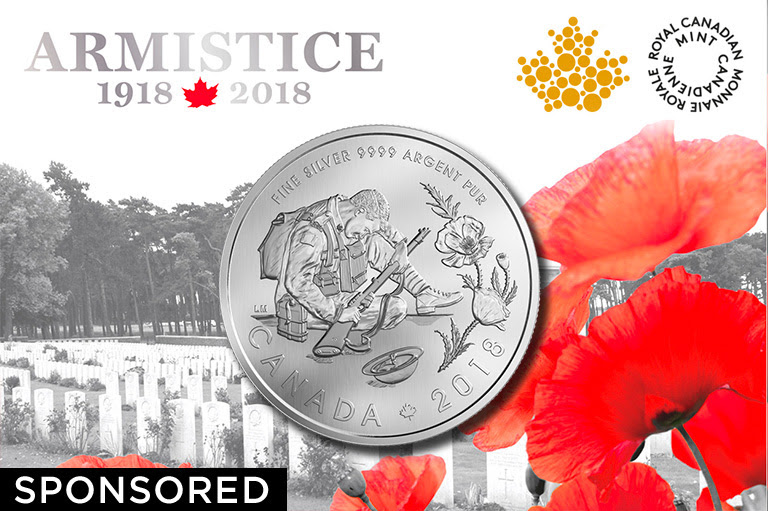
The 2018 Armistice Pure Silver limited-edition coin, captured in pure silver, conveys a deep meaning for those who served in the Great War. Learn more

A Father’s Grief

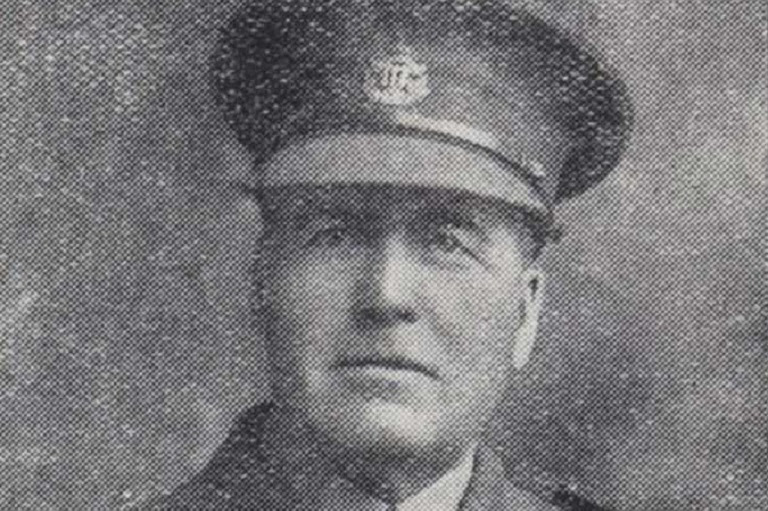
On September 13, 1918, Captain Robert Bartholomew suffered a sudden nervous breakdown after reading his son’s name in a newspaper casualty list. Read more

The Breakthrough

How, after years of stalemate, did the Allies manage to win the war?
Read more


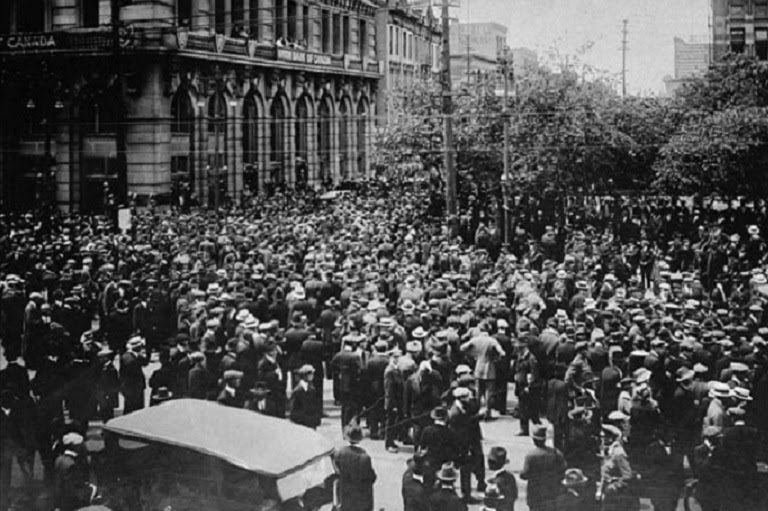
After 1918: From Chaos to Mackenzie King!

With the Great War came great social turmoil. Strange, then, how little things actually changed. Read more

The War to End All War

November 2018 marks the one hundredth anniversary of the end of the First World War. A century later, the conflict continues to affect us — even if we don’t fully realize it. The War to End All War is our collection of 60+ articles, podcasts, and videos from the past ten years, including contributions from Charlotte Gray, Michael Bliss and Tim Cook. Read, watch, listen

Start your subscription today and get your first issue free!

SUBSCRIBE NOW
Did you get this newsletter from a friend? Sign up for your own and you’ll be eligible to win a FREE book!
We have five uniquely curated newsletters, including ones for teachers and in French. Sign Up Now
Share
Tweet
Forward
View this email in your browser

Copyright © 2018 Canada’s History, all rights reserved.
You are receiving this email as a member or friend of Canada’s History. / Vous recevez ce courriel parce que vous êtes membre ou parce que vous appartenez à la communauté d’esprit de la Société Histoire Canada.

Our mailing address is:

Canada’s History

Main Floor Bryce Hall, 515 Portage Avenue

WinnipegMB R3B 2E9

Canada

Kevin Swan explains, “The Default Of Any Tech Company Is Failure”

From one of our fellow Canadian organizations in the Bay Area.


Subscribe to our stories
 RSVP to C100 Events

06 November 2018

This edition of ‘our stories_’ features Kevin Swan, VP of Corporate Development at Solium. He states that as long as emerging Canadian high-growth companies continue to disrupt themselves, Canada has a chance to build the necessary ‘anchor’ tenants in the startup ecosytem.

Kevin shares how important it is to have that grit and “insatiable desire to continue winning”, as the default of any tech company is failure.

C100 is proud to share this video series featuring real-life stories of successes, failures, and insights from our community of accomplished Canadian leaders in technology who are dedicated to supporting future Canadian leaders in technology.

Please keep the conversation going by subscribing below, commenting on the video, and telling us what other topics you would like to see covered in future episodes. We value your input!

The C100 Team

Subscribe Here
Interested in more C100 content?
Be sure to follow us on Twitter and like us on Facebook.
Copyright © 2018 C100 Association, All rights reserved.

The Press Democrat – Close to Home: Remembering Americans who served with Canadians in World War I

Original article available at https://www.pressdemocrat.com/opinion/8925848-181/close-to-home-remembering-americans


Close to Home: Remembering Americans who served with Canadians in World War I

RANA SARKAR
RANA SARKAR IS CONSUL GENERAL OF CANADA IN SAN FRANCISCO. | November 8, 2018, 12:07AM

This year, as every year since 1918, on the 11th hour of the 11th day of the 11th month, bugles will resonate across the United States and Canada to remember those who lost their lives defending our liberties. In ceremonies across our two countries, wreaths will be laid at war memorials, and veterans and soldiers will parade to honor the fallen.

This year’s Veterans Day, or Remembrance Day as it is called in Canada, will be different, however, as we commemorate the 100th anniversary of the end of World War I. More than 116,000 Americans and 60,000 Canadians lie in Flanders’ Fields and elsewhere, having fought and made the ultimate sacrifice for their countries.

It’s well known that Canadians fought and died with Americans in two world wars and Korea. We joined the U.S.-led coalition in Afghanistan after 9/11. We are both founding members of NATO. And, this year, we celebrated the 60th anniversary of NORAD, the North American Aerospace Defense Command. As this shows, over the past two centuries, Canada and the United States have built the strongest partnership between any two countries.

What is less well known is how deep and personal these connections are.

More than 40,000 Americans enlisted in the Canadian Expeditionary Force, Canada’s World War I army. They served throughout the Canadian armed forces in such large numbers that they formed an “American Legion,” staffing the 97th Battalion of the Canadian Expeditionary Force.

Americans also served in other CEF battalions, fighting in the trenches, flying Canadian planes, tending Canadian wounded and sailing on Canadian Navy and merchant marine ships.

Those Americans fought with distinction, and an estimated 2,700 of them never made it home.

This week, as we mark the centenary of the end of World War I, we will remember them. The Royal Canadian Legion, U.S. Zone, Branch No. 25, will observe this anniversary at 10:30 a.m. Saturday at Liberty Cemetery in Petaluma. All are invited.

Rana Sarkar is consul general of Canada in San Francisco.


Original article available at https://www.pressdemocrat.com/opinion/8925848-181/close-to-home-remembering-americans