Canadian Studies Announcements
|
|
In this issue:
- Upcoming event: Hildebrand Graduate Research Showcase
- Applications open for student research funding
- Event Recap: “Models for Repatriation of Indigenous Cultural Property from First Nations, Canada”
- Mark your calendars: Big Give is March 10!
- External event: Ground Truth Briefing: The Canadian Trucker Protests
- External event: Hindsight Up Front: Canada’s Takeaways from Afghanistan
- External event: Book talk on Bootlegged Aliens: Immigration Politics on America’s Northern Border
|
|
Hildebrand Graduate Research Showcase
Tuesday, March 15 | 12:30 pm PT | 223 Moses Hall | RSVP hereLearn about the research Canadian Studies funds through our Edward Hildebrand Graduate Research Fellowships, as recipients present short overviews of their projects. This panel will have a special focus on the environment, development, and Indigenous resource sovereignty. This event will be held in-person as well as broadcast via Zoom.
|
|
Mindy Price, Ph.D. candidate, Environmental Science, Policy, and Management
“New Agricultural Frontiers: Land, Labor and Sovereignty in the Northwest Territories, Canada”
Now more than 1º Celsius warmer than a century ago and warming at three times the global average, the Arctic and Subarctic are being reimagined as a new frontier for food production. Despite a growing body of evidence that climate change will enable new possibilities for agriculture in the North, much research remains agnostic about how northern agricultural development will affect communities and landscapes and the relations between them. Mindy uses archival research and ethnography in three extended case studies to examine the implications of agriculture development on the social relations of production and consumption in the Northwest Territories, Canada.
|
|
Aaron Gregory, Ph.D. student, City and Regional Planning
“Kinship Infrastructures: Indigenous Energy Autonomy and Regulatory Sea Change in Beecher Bay”
Aaron’s research explores the social, technical, and regulatory impacts of a renewable energy system developed by the Scia’new First Nation in Beecher Bay, British Columbia. He examines this project as an emergent approach to Indigenous environmental governance, an infrastructural solution responding to the problem of Indigenous energy sovereignty, and a regulatory provocation designed to challenge a provincial monopoly on energy production and distribution.
|
|
Applications open for student research funding
The Canadian Studies Program is currently accepting applications for the Edward Hildebrand Graduate Research Fellowship for Summer 2022 and AY 2022-23. The application is open to any UC Berkeley graduate student whose work focuses primarily or comparatively on Canada. This fellowship is meant to cover direct research costs. The deadline for summer applications is March 11; applications for AY 22-23 must be submitted by May 6. Please visit our website for more information and full eligibility criteria, and help us share this information with your friends and networks!
|
|
Event Recap: Models for Repatriation of Indigenous Cultural Property from First Nations, Canada
Last week, Canadian Studies hosted a special panel discussing the work Native people across the US and Canada are doing to rethink policies for collections of Indigenous cultural goods. The panel was composed of several cultural experts affiliated with Canadian First Nations: Lou-ann Neel and Michelle Washington, repatriation specialists at the Royal BC Museum, and Dr. Louis Lesage, a cultural officer of the Huron-Wendat Nation. The panel was moderated by Professor Sabrina Agarwal, an anthropologist and Canadian Studies affiliate who chairs UC Berkeley’s NAGPRA Advisory Committee.
All three panelists discussed their work to repatriate important cultural artefacts and ancestral remains to their tribes of origin. They stressed the importance of recognizing the colonialist intent of many museum collections, and how that history must be confronted to make museum spaces more welcoming to Indigenous visitors and other minority groups. Pointing to their own experiences with Canadian museums and universities, they impressed how essential it is for curators to engage directly and honestly with tribal representatives. However, while each noted the importance of direct engagement between institutions and First Nations people, they stressed this is not enough, and advocated for laws to protect Indigenous cultural heritage and rights.
For those who were unable to join the panel or have additional interest in the subject, we are happy to provide additional resources on the work our panelists have done on repatriation and cultural policy.
We encourage you to read the Royal BC Museum’s Report to British Columbians for a thorough overview of its recent policy reorientation. Thanks in part to Ms. Neel’s work, the museum is now considered a leader in this space. This document draws on her previous work for the museum in composing its Indigenous Repatriation Handbook. For those interested in making “living museums”, Michelle Washington helped create the exhibit “ Our Living Languages” at the Royal BC Museum. As explained in the Victoria News, the exhibit aimed to take Indigenous people and culture out of the realm of history and place them firmly in the present. Ms. Washington’s work for the museum was also profiled in the Toronto Star at the beginning of this month. For those interested in Dr. Lesage’s work in recovering ancestral remains from the University of Toronto, please see his article “ The Repatriation of Wendat Ancestors, 2013“. The article covers the context of the transfer, as well as its broader significance in the movement to create institutional policies that respect Indigenous voices and tradition. Finally, learn more about Professor Agarwal’s work at UC Berkeley by visiting the homepage for UC Berkeley NAGPRA. This page contains links to new policy guidelines, reports on university’s Native American collections, and updates on recent repatriations. Hear more about the campus’ current repatriation philosophy here.
|
|
Mark your calendars – Big Give is next month!
It’s that time of the year again! On March 10, show your support for Canadian studies by making a donation on Big Give, Berkeley’s annual day of giving. Your gift supports quality research and events on Canada, and affirms the value of our program. We’ll follow up with more information soon, but remember – no matter the size, your gift can have a big impact!
|
|
Ground Truth Briefing: The Canadian Trucker Protests
Thursday, February 17 | 8 am PT | Online | RSVP hereJoin the Wilson Center’s Canada Institute for a special event covering the ongoing trucker protests in Canada, featuring former Ontario cabinet minister Monique Smith and Senior Vice President of Global Public Affairs Philip Cartwright. The protests, which began as a convoy that traveled across the country from British Columbia to Ontario, have paralyzed Canada’s capital city and blocked critical arteries for trade along the US-Canadian border. Ontario’s government declared a state of emergency on February 11 as automotive plants across the province halted operations due to supply shortages caused by blockades at the busiest land crossing between the United States and Canada. The event will be moderated by Canada Institute analyst Xavier Delgado.
|
|
Hindsight Up Front: Canada’s Takeaways from Afghanistan
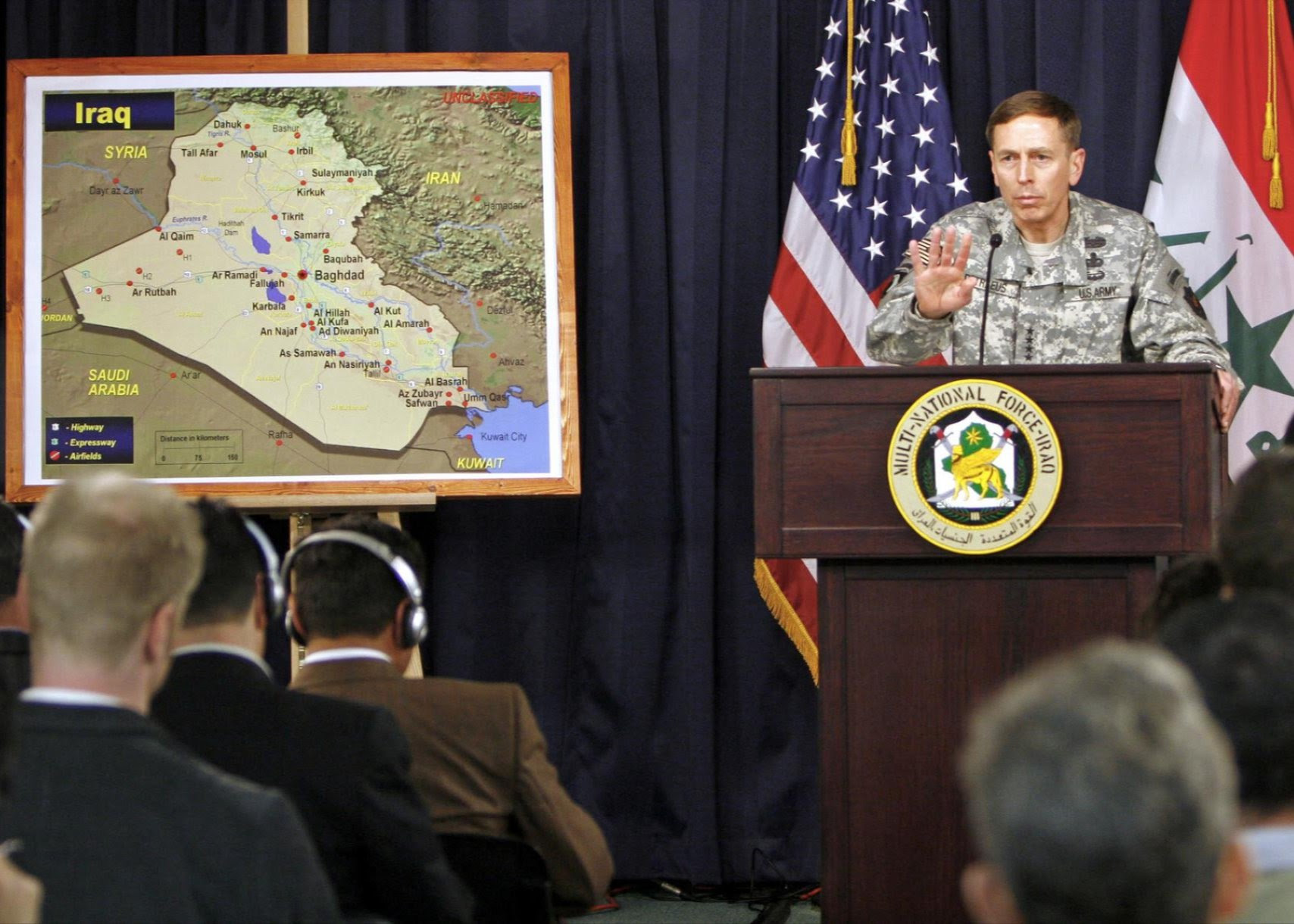
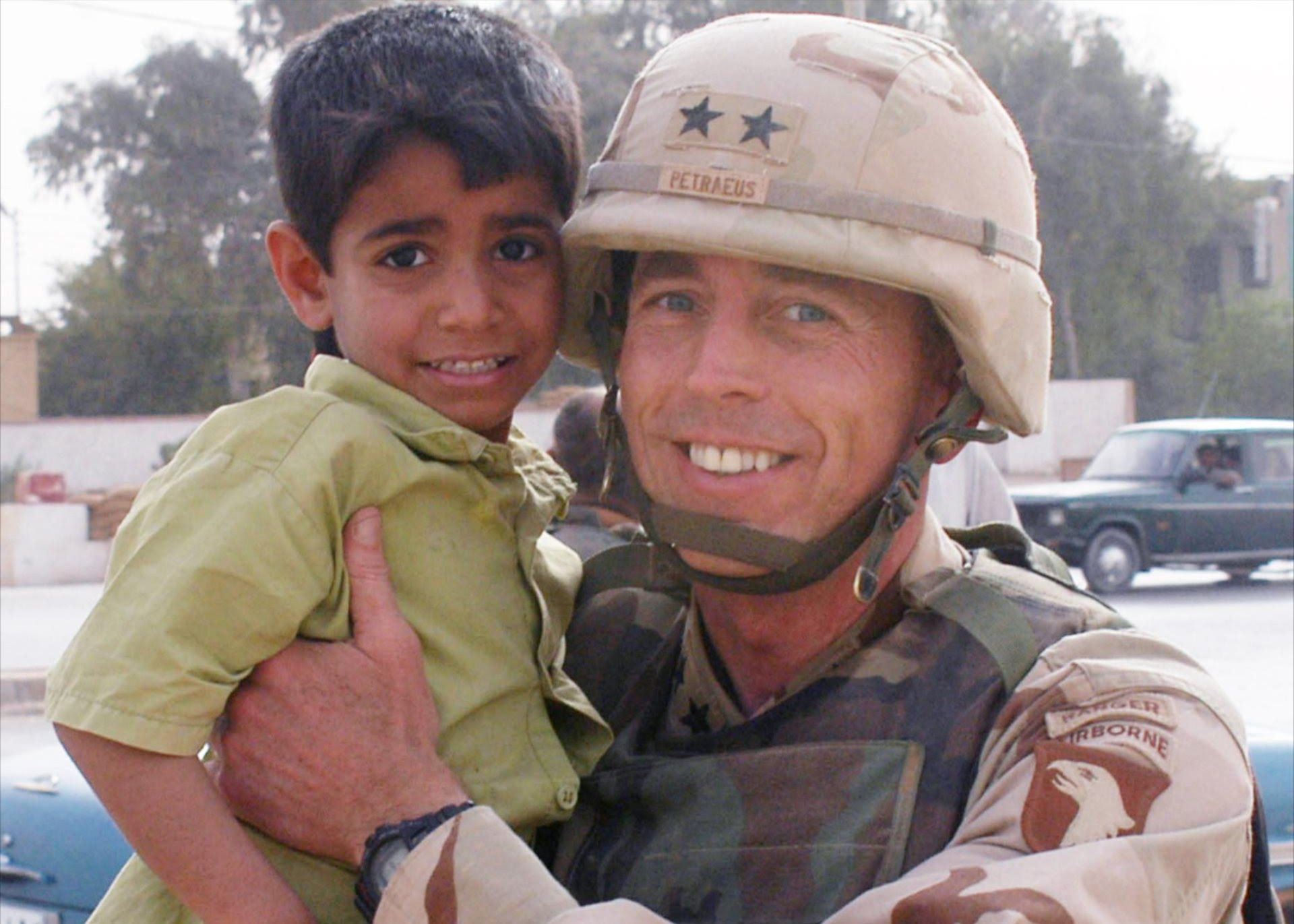
Thursday, February 17 | 12 pm PT | Online | RSVP hereThe Wilson Center’s Canada Institute and Asia Program invite you to discussion of Canada’s role in the war in Afghanistan, part of their Hindsight Up Front initiative. In February 2002, the first Canadian infantry battle group arrived in Kandahar, marking the start of Canada’s twelve-year military presence in the country. Twenty years on from that first deployment, Janice Stein and Eugene Lang, co-authors of The Unexpected War: Canada in Kandahar reflect on lessons learned from Canada’s mission in Afghanistan and the implications for future U.S.-Canadian military collaboration. Their 2007 book became a national best-seller which won the Writer’s Trust Cohen Award for political writing and was short-listed for the Donner Prize for the best book on Canadian public policy. The discussion will be moderated by Canada Institute director and Berkeley Canadian Studies board member Christopher Sands.
|
|
Book Talk: Bootlegged Aliens: Immigration Politics on America’s Northern Border
Friday, February 18 | 12 pm PT | Online | RSVP hereJoin Professor Ashley Johnson Bavery for a discussion of her new book, Bootlegged Aliens. The book explores immigration on America’s northern border before World War II, situating Detroit, Michigan as America’s epicenter for unauthorized immigration. In this industrial center, thousands of Europeans crossed the border from Canada each year, prompting nativist backlash and complicating the labor politics of the automobile industry. This event is jointly hosted by the Center for Comparative Immigration Studies at UC San Diego and UCLA Center for the Study of International Migration. UCLA professor Tobias Higbie will join as a discussant.
Ashley Johnson Bavery is assistant professor of history at Eastern Michigan University. Her work has appeared in the Journal of Urban History and the Journal of American History and her book, Bootlegged Aliens: Immigration Politics on America’s Northern Border (2020) won the First Book Award from the Immigration and Ethnic History Society.
Tobias Higbie is a professor of history and labor studies at UCLA, the chair of the Labor Studies and the associate director of the Institute for Research on Labor and Employment. His research explores social movements, migration, and the politics of community in the United States. Higbie’s most recent book, Labor’s Mind: A History of Working Class Intellectual Life (2019), recovers the social world of self-educated working people and the politics of working-class identity during the early 20th century.
|
|
Canadian Studies Program
213 Moses Hall #2308
|
|
|
|
|
|
|
|





















 Royal Canadian Legion, US Branch #25